
Last updated September 10, 2026
Level 1 sweep and inspection to the NFPA 211 annual standard - flue, crown, cap, and flashing checked and photographed
Chimney sweep logs do not sweep chimneys. They loosen some creosote - which then falls where a brush and vacuum still have to collect it.
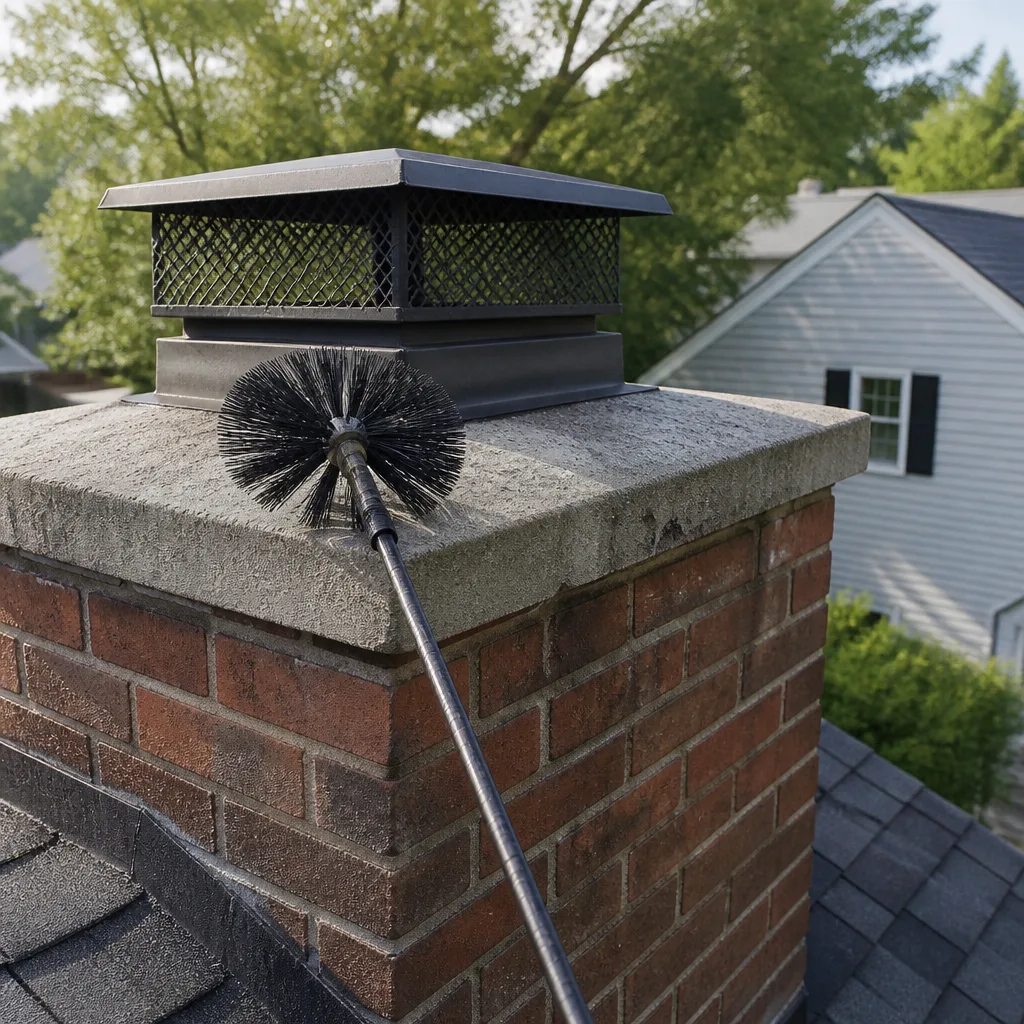
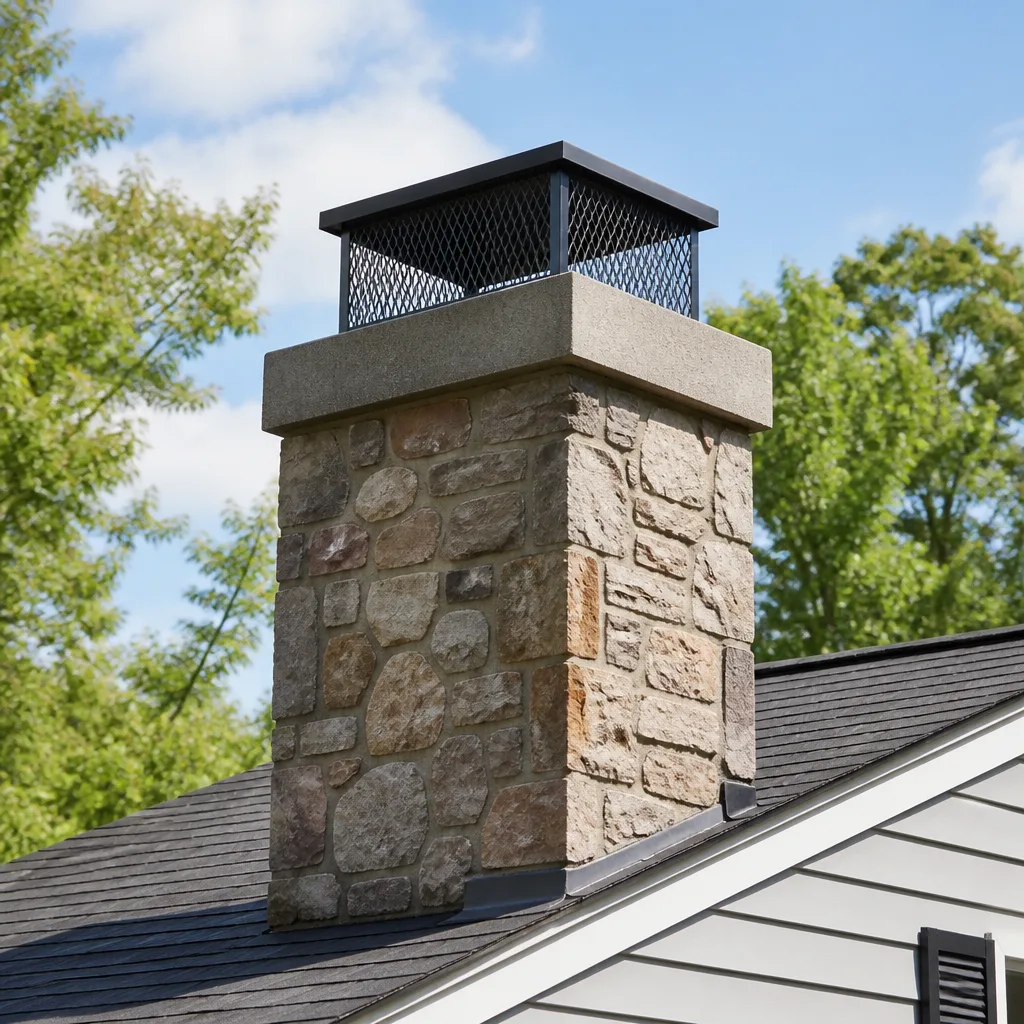
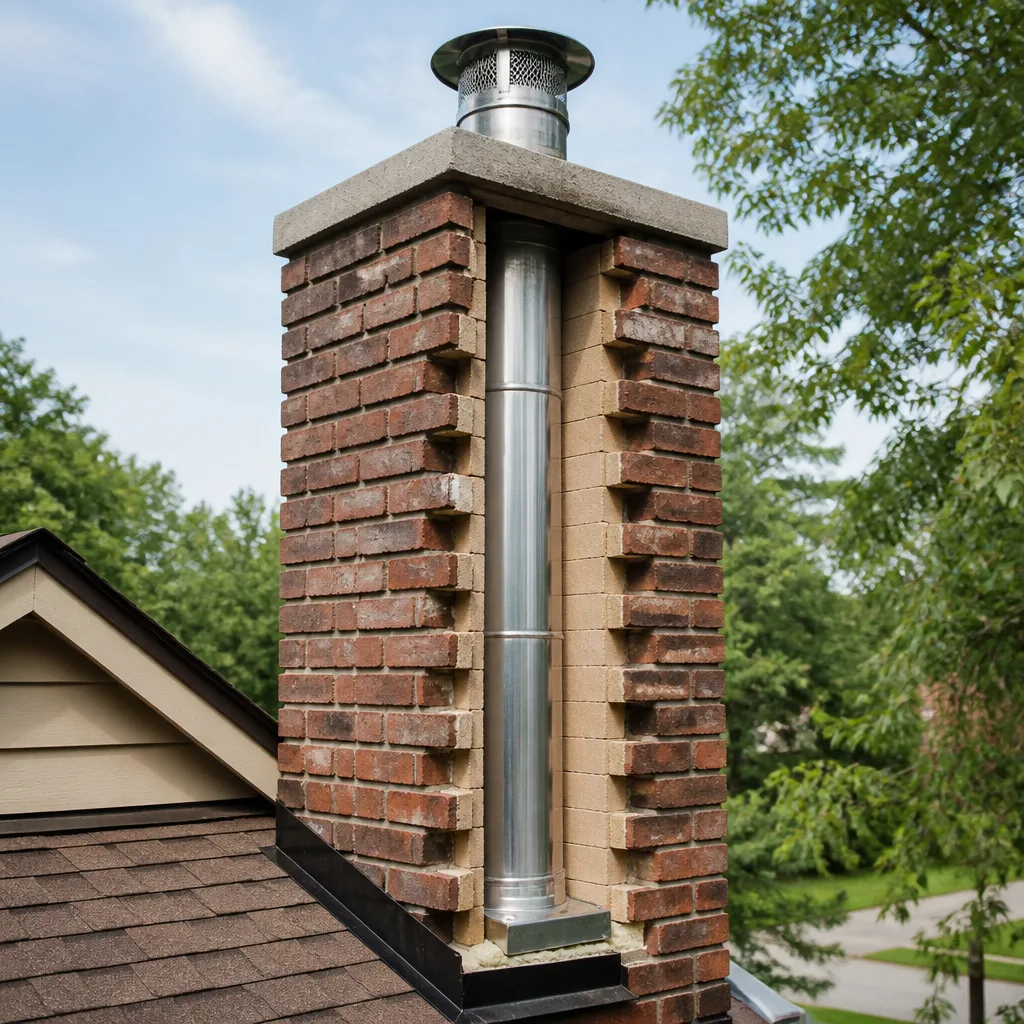
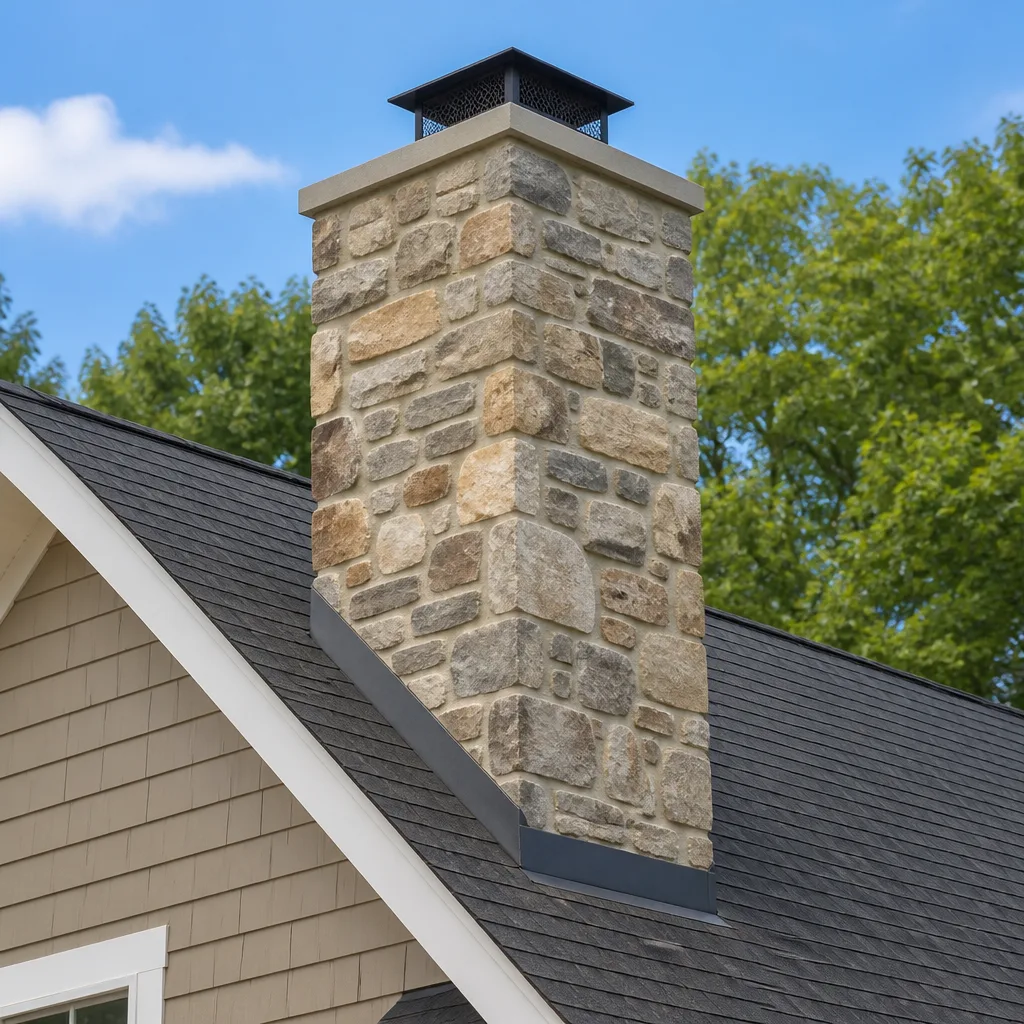
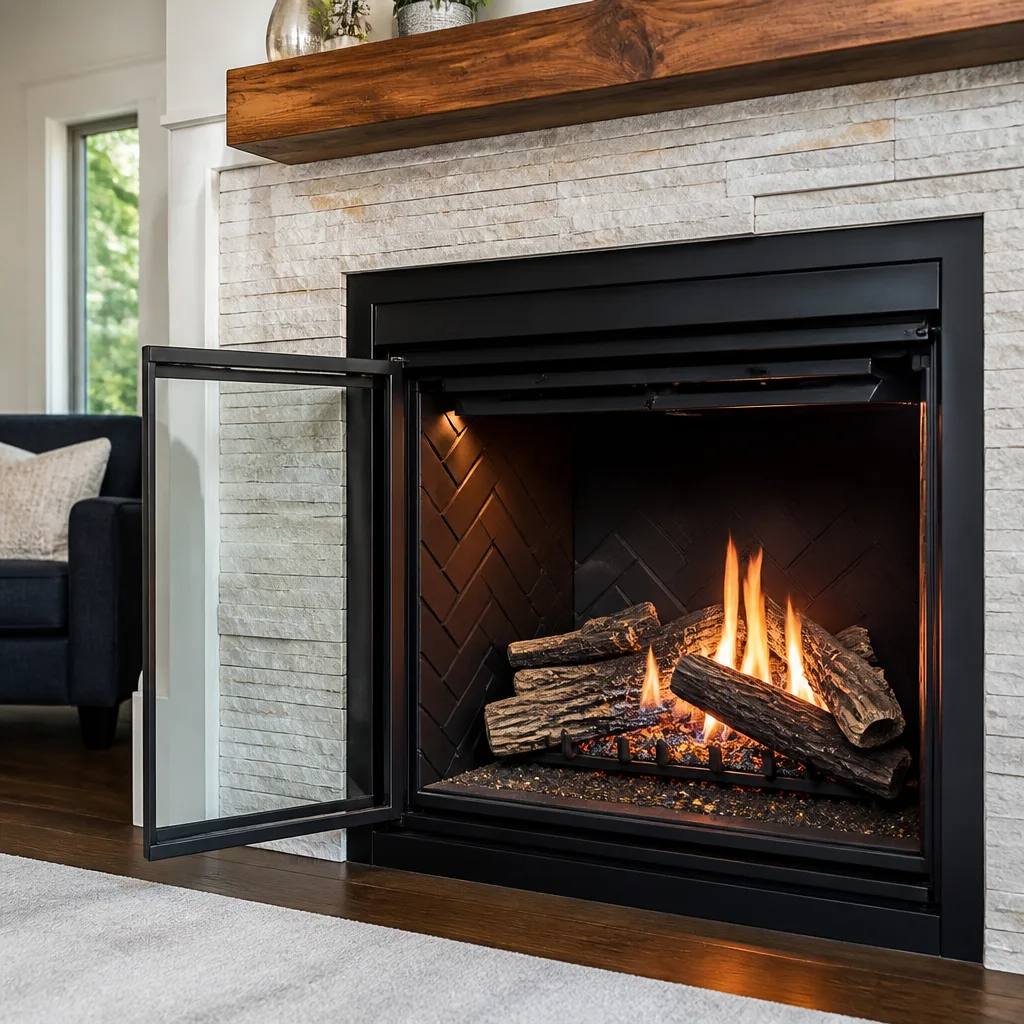
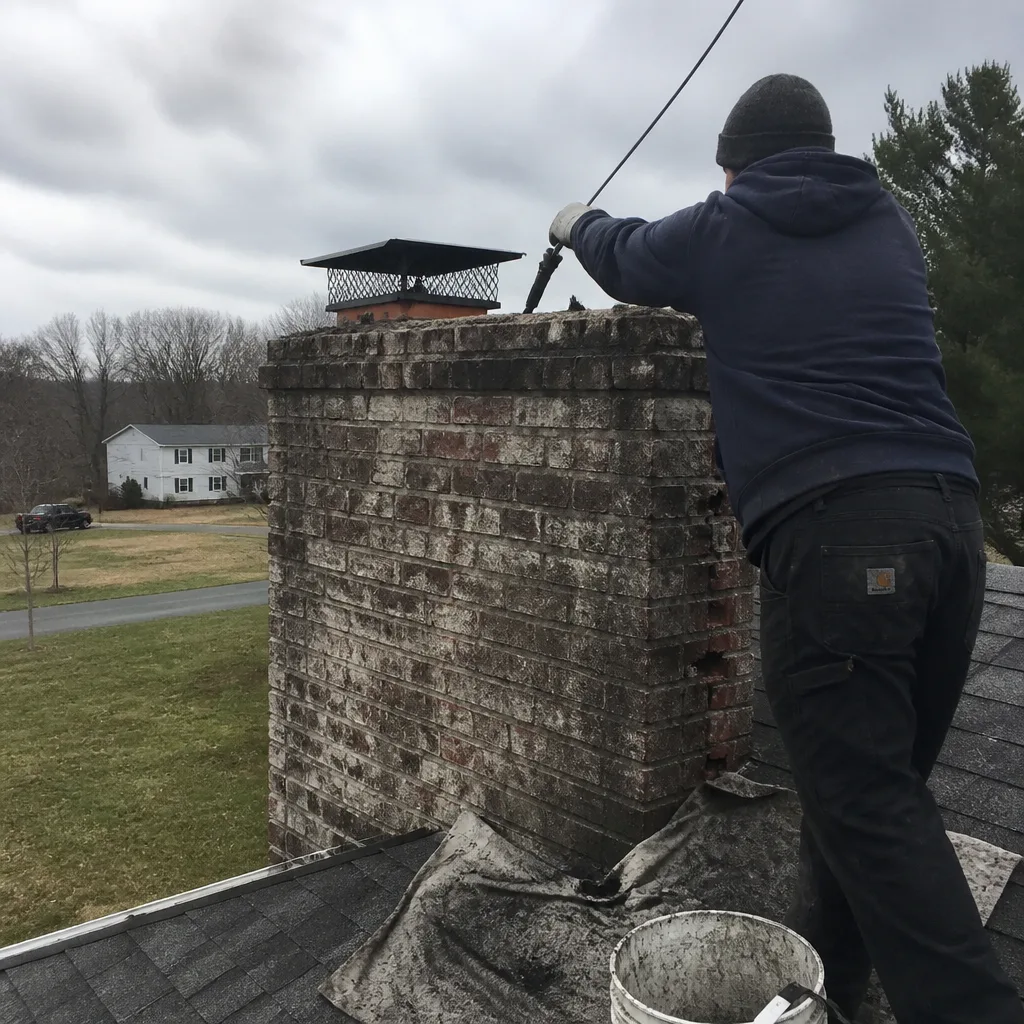 Before
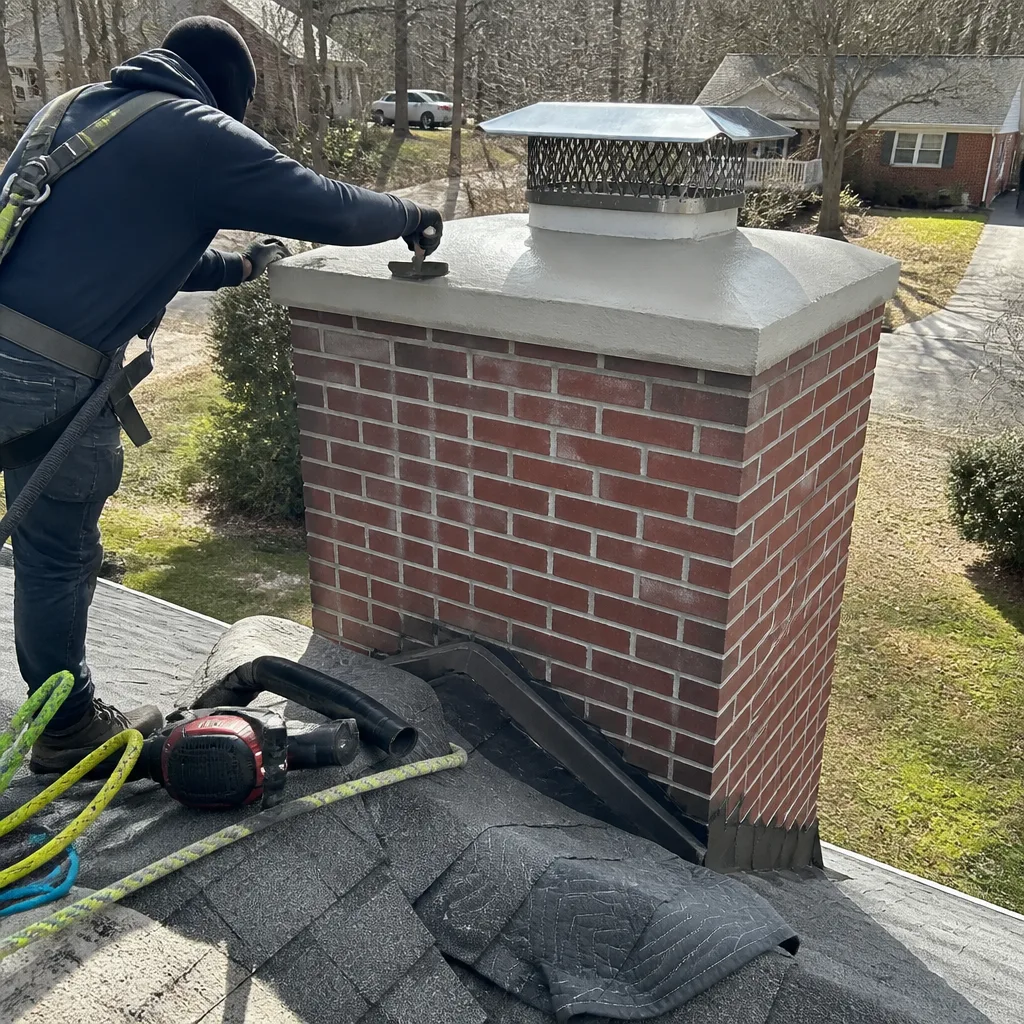 After
After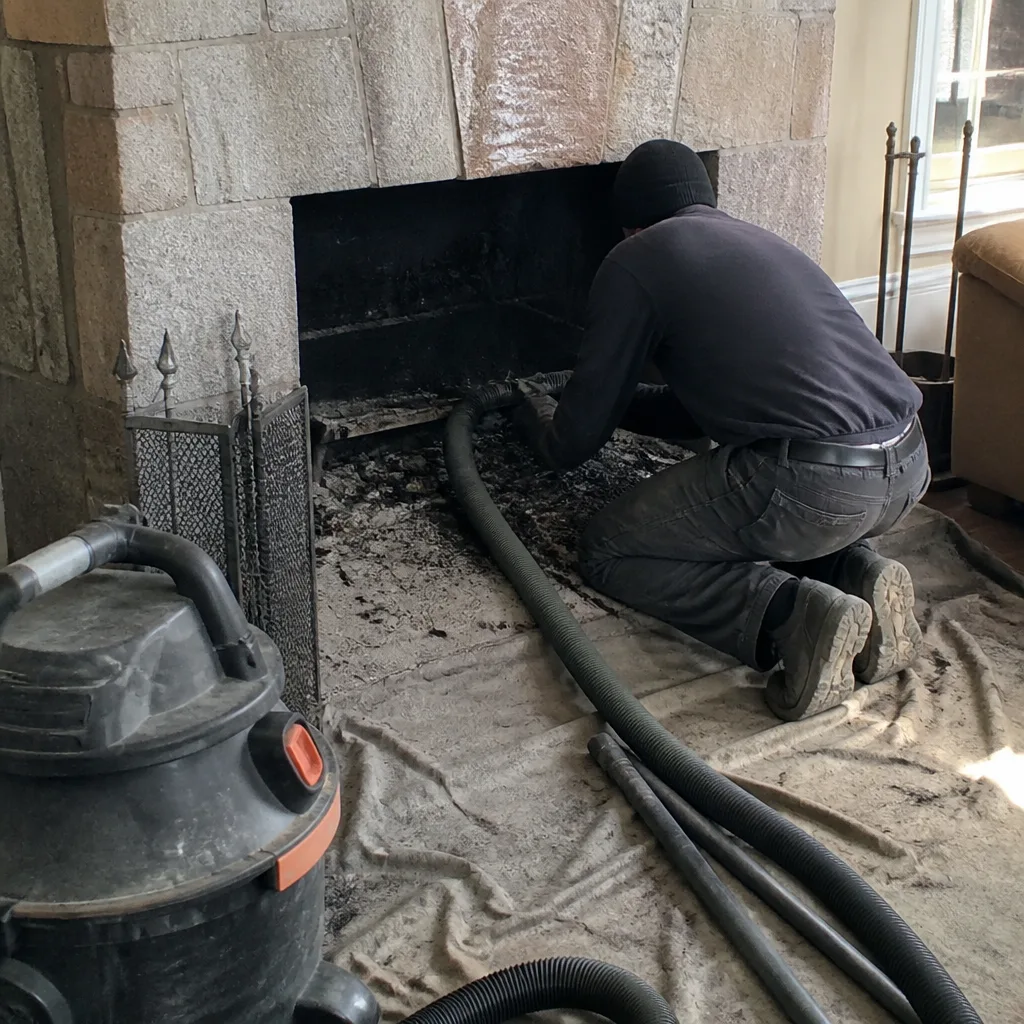 Before
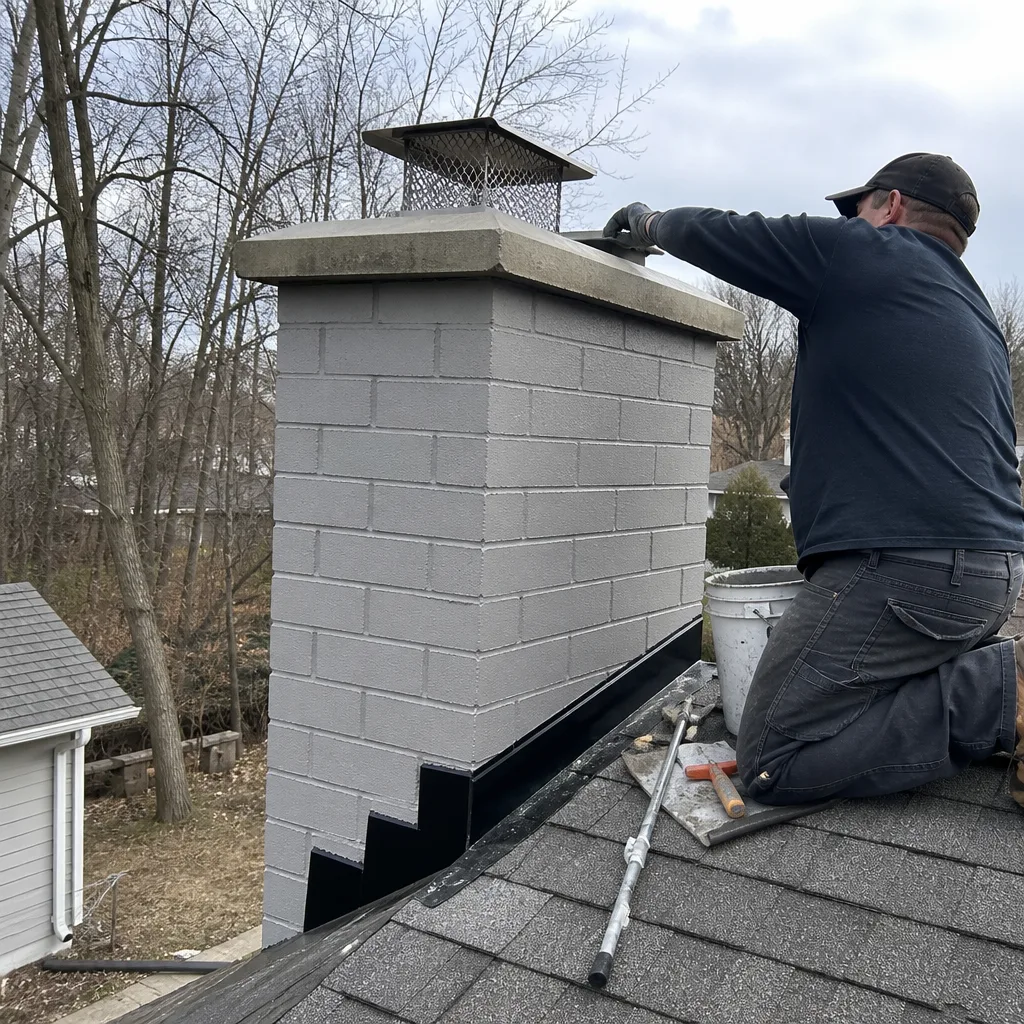 After
After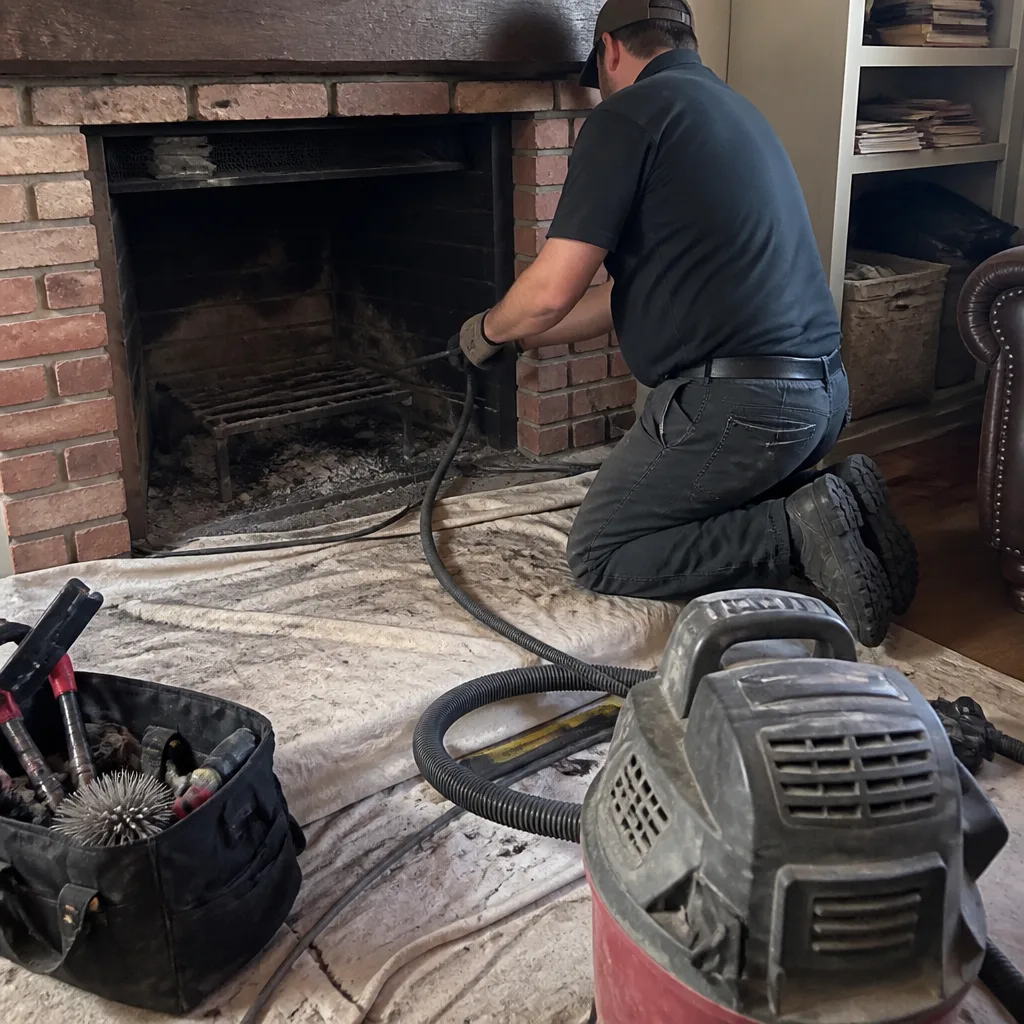 Before
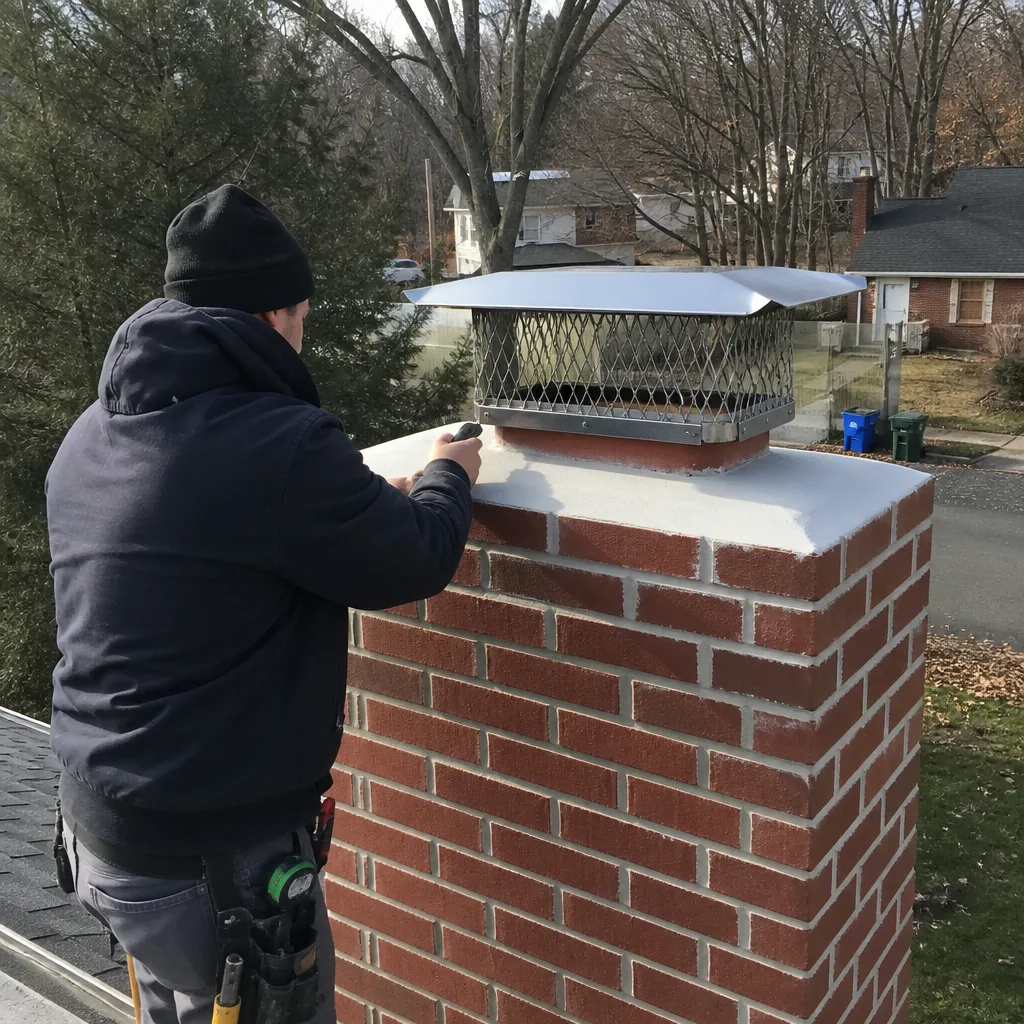 After
AfterChimney Cleaning Warning Signs: A Roanoke Homeowner’s Reference Guide
Smoke backing into your living room during a fire is not a draft quirk, and that tar-asphalt smell in July is not normal fireplace aging. In our 42 years serving Roanoke, we’ve found that chimneys rarely fail without weeks or months of clear warnings - but homeowners here, especially in older neighborhoods like Grandin and Wasena where masonry fireplaces date to the 1920s, often mistake these signals for benign quirks of an old house. This guide catalogs the eight warning signs that actually matter, what each one looks and smells like, which ones you can spot yourself, and which ones hide inside the flue where only a camera can find them. For more guides & resources, visit our blog.
Quick Answer
The most serious chimney warning signs are smoke entering the room, a persistent tar or asphalt odor, visible black buildup above the firebox, water stains on interior walls or the ceiling near the chimney stack, and odd sounds including rumbling, popping, or dripping during or after a fire. Most of these indicate either dangerous creosote accumulation, a blocked flue, a failed crown or liner, or active water intrusion - all conditions that worsen with each fire and require professional inspection to diagnose safely and correctly.
Table of Contents
- The Eight Warning Signs Every Roanoke Homeowner Should Know
- What You Can See From Inside vs. What Only a Camera Finds
- The Three Sounds a Chimney Makes When Something Is Wrong
- False Positives: Signs That Look Alarming But Usually Are Not
- Mapping Warning Signs to Likely Repairs and Cost Ranges
- Why Roanoke’s Climate and Housing Stock Make These Signs More Common
- Common Mistakes to Avoid
- When to Call a Professional
- Frequently Asked Questions
The Eight Warning Signs Every Roanoke Homeowner Should Know
We’ve organized these by how they present - what you see, what you smell, and what you feel - because that’s how homeowners actually experience them. Each sign includes the specific sensory detail that separates a real problem from a false alarm.
1. Smoke Entering the Room During a Fire
This is the sign no homeowner should rationalize. When smoke spills into your living space, the chimney is not drafting properly. The three most common causes each require completely different repairs:
- Blocked flue: Creosote buildup, bird nests (common in Roanoke’s mature-tree neighborhoods like Raleigh Court), or collapsed liner debris physically obstruct the smoke path. The smoke is acrid and immediate, often within minutes of lighting the fire.
- Downdraft from pressure imbalance: Tight modern homes, especially post-1980s construction in areas like Hunting Hills, can create negative pressure that overwhelms the chimney’s natural draft. The smoke tends to puff in cycles, often when HVAC systems cycle on.
- Structural damage: A shifted flue liner, cracked crown, or deteriorated smoke chamber alters airflow geometry. This smoke is often accompanied by a persistent smell even when the fireplace is cold.
The critical distinction: smoke from a blockage is immediate and heavy; smoke from pressure issues is intermittent and often weather-dependent; smoke from structural damage is persistent and may include visible debris or mortar crumbs in the firebox.
2. The Tar-Asphalt Smell of Stage 3 Creosote
Stage 3 creosote, also called glazed creosote, has a distinct petroleum-like odor - think roofing tar or fresh asphalt. It develops when wood burns at lower temperatures, which happens frequently in Roanoke’s shoulder seasons when homeowners build smaller fires to take the chill off rather than heat the whole house. The smell is most noticeable in warm weather when humidity activates the deposits, which is why we get calls in July from homeowners in South Roanoke who suddenly notice an odor they swear wasn’t there in February.
Stage 3 creosote cannot be removed with standard brushing. It requires a chemical treatment to soften the glaze before mechanical removal. Left untreated, it is the fuel source for most chimney fires.
3. Visible Black Buildup Above the Firebox Opening
Soot staining on the fireplace face, mantel, or surrounding wall indicates smoke is regularly escaping the firebox before reaching the flue. This is not normal aging. In our experience inspecting homes in Old Southwest and Gainsboro, this staining often reveals a damaged or improperly sized throat damper, a deteriorated smoke chamber, or a firebox that’s too shallow for the opening. The buildup pattern matters: staining concentrated at the top of the opening suggests a damper issue; staining spread across the upper firebox walls suggests smoke chamber deterioration.
4. Water Stains on Interior Walls or Ceiling Near the Chimney Stack
Water intrusion is the slow killer of chimneys in Roanoke. Our freeze-thaw cycles - temperatures swinging from 50°F to 20°F and back within 48 hours, common in January and February - expand trapped moisture by about 9% with each cycle, progressively destroying mortar and brick from within.
Interior water signs include:
- Discolored drywall or plaster in a widening circle around the chimney breast
- Peeling paint or wallpaper that returns after repainting
- A musty, damp-basement smell from the firebox even during dry spells
- Efflorescence (white powdery deposits) on interior brick surfaces
By the time water shows inside, the damage outside is usually extensive. The crown, flashing, or mortar joints have been failing for one to three seasons.
5. White Staining on Exterior Brick (Efflorescence)
Those white chalky deposits on your chimney’s exterior are salt minerals left behind as water evaporates through the masonry. They mean water is getting in, dissolving salts, and migrating out. In Roanoke’s clay-heavy soil zones, particularly in the valleys around Mill Mountain and Cherry Hill, groundwater pressure can accelerate this process. Heavy efflorescence often precedes spalling - the flaking and popping of brick faces - by one to two winters.
6. Crumbling Mortar or Spalling Brick
Spalling looks like someone took a hammer to your brick faces, leaving pits and flakes. It happens when water freezes inside the brick’s pores, expanding and breaking the face away. In Roanoke, we see it most on chimneys that lack proper caps or have cracked crowns, which allows direct water entry. South- and west-facing chimneys deteriorate faster because they absorb more solar heat during the day, then freeze harder at night - the thermal shock accelerates the damage.
7. Rust in the Firebox or Damper Assembly
Any rust in a fireplace system means water is present where it should not be. Check the damper plate, the firebox floor, and any metal fireback for orange staining or flaking. Rusted dampers often seize partially open, which wastes heat when the fireplace is not in use and can contribute to downdraft issues. In homes with gas log sets, rust can also indicate a failed chimney cap that’s allowing direct rain onto the burner assembly.
8. Debris in the Firebox
Bird nests, leaves, or granular mortar falling into the firebox are not housekeeping issues. They are evidence of:
- A missing or damaged chimney cap (allowing animal and debris entry)
- Deteriorating flue liner (the granular material is often crumbling terra cotta)
- Failed crown mortar (sand and cement particles washing down)
We once found a squirrel nest three feet deep in a Wasena home’s flue - the homeowner had noticed “a little debris” for two seasons before calling. The nest had trapped enough moisture to rot a section of liner that required full replacement.
What You Can See From Inside vs. What Only a Camera Finds
Homeowners can reliably self-diagnose some warning signs, though our DIY vs Professional Chimney Cleaning: The Roanoke Homeowner’s Decision Guide explains when calling a pro is the safer choice. Others are invisible without specialized equipment. Knowing the difference saves you from unnecessary anxiety and from missing problems that are genuinely dangerous.
Signs You Can Assess Yourself
- Smoke behavior during a fire. Stand back and observe. Does it rise cleanly? Does it puff back when the furnace cycles? Does it worsen with wind direction? Your observations help us diagnose faster.
- Odor patterns. Note when smells occur - during rain, in humid weather, when the fireplace is cold versus hot. Keep a brief log for a week if the smell is intermittent.
- Visual inspection of accessible components. With a flashlight, examine the firebox walls, damper operation, and smoke chamber ceiling (the sloped area above the damper). Look for cracks, gaps, or shiny black glaze.
- Exterior ground inspection. Binoculars help. Check for missing mortar, spalled brick, leaning, or vegetation growth that indicates chronic moisture.
What Requires a Level-2 Camera Inspection
A Level-2 inspection, as defined by the National Fire Protection Association, involves visual examination of the full flue interior using a video camera system. In Roanoke, we perform these with equipment from Olympia Chimney and Copperfield that records 1080p footage homeowners can watch in real time. The camera reveals:
- Hidden flue liner cracks. Terra cotta liners crack from thermal shock or chimney settlement. A crack that opens toward the masonry allows heat and combustion gases to reach combustible framing - a fire hazard no exterior inspection can detect.
- Creosote buildup patterns. The camera shows whether deposits are powdery (Stage 1, brushable), flaky (Stage 2), or glazed (Stage 3). This determines cleaning method and cost.
- Obstructions and animal entry. Partial blockages that don’t yet affect draft, or small entry points that will become large ones.
- Water damage progression. Staining patterns on liner walls reveal whether water intrusion is recent or long-standing, which affects repair urgency.
At Hearthstone Chimney Co., every Level-2 inspection ends with photos you can see and a plain-English verdict. We document like engineers and explain like craftsmen because we want you to understand what you’re looking at, not just trust our word.
The Three Sounds a Chimney Makes When Something Is Wrong
Sound is the most underreported warning sign because homeowners often cannot locate its source. These three sounds are distinct and diagnostically specific.
1. The Rumbling Roar of an Active Chimney Fire
An active chimney fire sounds like a freight train or a low-flying aircraft - a deep, continuous rumble that may vibrate the walls. It occurs when accumulated creosote ignites, creating temperatures above 2,000°F that can crack liners, damage masonry, and ignite adjacent framing. If you hear this sound:
- Call 911 first. Do not attempt to extinguish it yourself.
- Evacuate the house. Chimney fires can spread to walls and roof structures within minutes.
- Do not use the chimney again until a professional inspection confirms structural integrity.
We’ve responded to three active chimney fires in Roanoke in the past five years. In two cases, the homeowners had noticed “a loud wind noise” for several fires before the ignition event. That “wind noise” was likely pre-ignition creosote crackling.
2. The Pop and Tick of Expanding Liner Tiles
Terra cotta flue liners expand when heated and contract when cooling. A healthy liner does this silently. A cracked or failing liner produces audible pops, ticks, or sharp cracking sounds during the first 20-30 minutes of a fire, especially as the chimney warms from cold. These sounds indicate the liner segments are shifting independently or that cracks are opening and closing. In homes with metal liners from DuraFlex, this sound is less common, which is one reason we often recommend stainless steel relining for deteriorated terra cotta systems.
3. The Drip Pattern of a Failed Crown Seal
A rhythmic dripping during or after rain, heard from inside the firebox or through the chimney breast wall, indicates water is penetrating the crown (the concrete slab atop the chimney) and running down the flue interior. The sound may be intermittent - a few drops after a light rain, a steady patter during a storm. The crown is the chimney’s umbrella; when it fails, everything below it is at risk. In Roanoke, crown deterioration accelerates when homeowners use generic concrete mixes rather than proper crown mortar with expansion joints, or when crowns are poured flat rather than sloped for drainage.
False Positives: Signs That Look Alarming But Usually Are Not
A guide that only amplifies fear does not serve homeowners well. These signs commonly generate anxious calls but typically require only minor attention or simple explanation.
Light Ash Dusting on Furniture Near the Fireplace
During very cold starts, when the chimney is cold and draft is weak, a small amount of fine ash may escape the firebox before the flue establishes proper draw. This is normal if it happens once or twice per season, especially with open fireplaces in drafty older homes. Persistent ash dusting, or visible soot particles, indicates a problem.
Condensation on Glass Fireplace Doors
Moisture on the interior of glass doors during the first 10-15 minutes of a fire is normal combustion byproduct. Persistent condensation that lasts the full burn, or water droplets on the doors when the fireplace is cold, suggests excess moisture in the flue from poor draft or water intrusion.
Minor Mortar Weathering at the Chimney Top
The top two or three courses of brick experience the most extreme weather exposure. Slight surface erosion of mortar joints here, without accompanying spalling or interior signs, is normal aging. It should be monitored and tuckpointed during routine maintenance but does not constitute an emergency.
“Smoke” From a Cold Start That Clears Quickly
When you first light a fire in a cold chimney, you may see white vapor - condensed water vapor and unburned hydrocarbons - exit the top of the chimney. This is not smoke; it dissipates within 2-3 minutes as the flue warms. True smoke is gray to black, carries visible particulates, and persists or worsens.
Seasonal Odor When Fireplace Has Not Been Used
A faint, earthy smell from a dormant fireplace in late summer is often accumulated dust and minor debris reacting to humidity. It should not smell like asphalt, ammonia, or decay. If the odor is strong or persistent, inspect for animal intrusion or moisture.
Mapping Warning Signs to Likely Repairs and Cost Ranges
Homeowners need to calibrate urgency before calling. This table connects each warning sign to its typical repair category and the investment range we see in the Roanoke market. These are ranges, not quotes; every chimney requires individual assessment.
| Warning Sign | Likely Repair Category | Typical Roanoke Investment Range |
|---|---|---|
| Smoke entering room - blocked flue | Chimney sweep/creosote removal; possible animal removal | $200-$450 |
| Smoke entering room - liner/crown damage | Liner repair or replacement; crown rebuild | $1,800-$4,500 |
| Tar-asphalt odor (Stage 3 creosote) | Chemical treatment + mechanical removal | $350-$650 |
| Water stains on interior walls | Crown repair/rebuild; flashing replacement; tuckpointing | $800-$3,200 |
| Spalling brick / crumbling mortar | Tuckpointing; partial rebuild; waterproofing | $1,200-$5,500 |
| Rust in firebox or damper | Damper replacement; water source repair | $400-$1,500 |
| Debris in firebox | Chimney cap installation; liner repair; sweep | $250-$2,800 |
| Active chimney fire (post-emergency) | Full Level-2 inspection; likely liner replacement; possible rebuild | $2,500-$8,000+ |
Nothing on this list should be recommended without camera evidence you can see yourself. At Hearthstone, we show you the footage, explain what it means, and tell you plainly when work can safely wait versus when it cannot. No surprises on the bill - the number on the estimate is the number on the invoice.
Why Roanoke’s Climate and Housing Stock Make These Signs More Common
Roanoke sits in a valley between the Blue Ridge and Allegheny Mountains, creating a microclimate with specific chimney risks that flatland guides miss.
Freeze-thaw cycles. Our elevation and mountain-valley temperature inversions produce more rapid temperature swings than Richmond or Tidewater Virginia. A chimney that warms to 45°F in afternoon sun can drop to 15°F by morning. Masonry with any moisture content experiences accelerated deterioration.
Mature tree canopy. Neighborhoods like Raleigh Court, Grandin Village, and parts of Southwest Roanoke have century-old oaks and maples that shed debris, harbor squirrels, and provide nesting sites for chimney swifts - a protected species that cannot be removed during breeding season. A cap in good condition prevents most animal issues; without one, we find nests in roughly 15% of spring inspections.
Housing age and variety. Roanoke’s housing stock spans 1920s bungalows with original terra cotta liners, 1960s ranchers with unlined brick chimneys, and 1990s builds with early factory-built metal systems. Each era has characteristic failure modes. The 1920s homes often have shifted liners from foundation settlement; the 1960s unlined chimneys frequently show heat-damaged mortar; the 1990s metal systems suffer from corrosion at joint seams.
Hard water and mineral content. Roanoke’s municipal water supply, drawn from surface sources, has moderate hardness that contributes to efflorescence when water evaporates through masonry. This is cosmetic in early stages but indicates ongoing moisture movement.
Burning habits. Our longer heating season than coastal Virginia - typically late October through mid-April - means more annual fires and more creosote accumulation. Homeowners who burn pine, popular in rural areas surrounding the city, accelerate buildup compared to hardwood burners.
For chimney repair in Roanoke specific to these conditions, we tailor materials and methods to what your home actually needs, not what a national chain’s playbook says.
Common Mistakes to Avoid
- Assuming a gas fireplace needs no chimney maintenance. Gas burns cleaner but produces corrosive condensation, especially in exterior chimneys common in 1970s Roanoke split-levels. The flue still requires inspection and the cap still keeps out water and animals.
- Using the fireplace “just once more” after noticing smoke backup. Each fire with impaired draft increases creosote deposition and carbon monoxide risk. Carbon monoxide is odorless and can reach dangerous levels before you feel symptoms.
- Applying waterproofing sealant to the interior of a firebox. We’ve seen this in DIY forums. Interior sealants trap moisture, accelerate deterioration, and can release toxic compounds when heated. Waterproofing belongs on the exterior, with vapor-permeable products from Famco or Copperfield that allow masonry to breathe.
- Hiring based on the lowest sweep price without verifying what’s included. A $99 sweep that does not include a camera inspection cannot find liner cracks or hidden obstructions. We charge for thoroughness because shortcuts cost more later.
- Ignoring a chimney because “the home inspector said it was fine.” Home inspections are visual, non-invasive surveys. They are not chimney inspections. We’ve found $4,000 worth of liner damage in chimneys that passed home inspection six months prior.
- Burning treated lumber, painted wood, or household trash. These materials release chemicals that accelerate liner corrosion and create hazardous deposits. In Roanoke, we still encounter homeowners burning pallet wood from industrial sources - often chemically treated - because “it burns hot.” It also burns your flue.
- Waiting for “burning season” to schedule maintenance. The best time for inspection and sweeping is late spring or summer, when schedules are open and any needed repairs can be completed before you want to use the fireplace. Fall bookings in Roanoke often run three to four weeks out.
When to Call a Professional
Call for a Level-2 inspection if you’ve noticed any of the eight warning signs described above, if it’s been more than 12 months since your last professional sweep, or if you’ve recently purchased a home and have no documentation of prior chimney service. See How to Hire a Chimney Cleaning Contractor in Roanoke: A Step-by-Step Guide to choose the right company. Call immediately - after evacuating - if you hear the rumbling roar of an active chimney fire or if carbon monoxide detectors activate during fireplace use.
For homeowners in Roanoke neighborhoods from Old Southwest to Hollins, from Cave Spring to Vinton, Hearthstone Chimney Co. offers free estimates with no obligation. We’ll show you what we find, explain what it means, and tell you honestly whether work can wait. Call (540) 787-3302. A live person answers, 24 hours a day, every day.
Frequently Asked Questions
A standard chimney sweep and Level-1 inspection in the Roanoke market typically runs $200-$350, while a Level-2 inspection with camera documentation ranges from $300-$500 depending on chimney height and accessibility. Hearthstone’s $89 Seasonal Tune-Up includes a basic sweep and safety check for qualifying systems. Call (540) 787-3302 for an exact quote - estimates are free.
The National Fire Protection Association recommends annual inspection for all chimney systems, with sweeping frequency depending on use. For a deeper look at proper maintenance, read The Complete Guide to Chimney Cleaning in Roanoke. For Roanoke homeowners who burn wood as primary heat, we typically recommend sweeping after every cord of wood burned, or annually - whichever comes first. Occasional users can sometimes extend to every two years if the annual inspection shows minimal buildup, but the inspection itself should not be skipped. Our longer heating season and freeze-thaw climate make annual assessment particularly prudent here.
It depends on the damage type and extent, which is why we insist on camera evidence you can see. Minor terra cotta cracks in a single tile can sometimes be addressed with a stainless steel liner insert from DuraFlex without full removal. Multiple cracks, shifted segments, or flaking indicate replacement. We will show you the footage, explain the failure mode, and tell you plainly if repair is viable or if replacement is the only safe option. No recommendation without documentation.
Skipped maintenance allows creosote to accumulate to dangerous levels, permits water intrusion to destroy masonry from within, and lets minor liner cracks expand until they create fire hazards or require full rebuilds rather than repair. In Roanoke’s climate, a small crown crack left one winter often becomes a $3,000 rebuild after two winters of freeze-thaw damage. The cost of prevention is always lower than the cost of remediation.
Summer heat and humidity activate creosote deposits and any moisture in the flue, releasing odors that cold, dry winter air suppresses. The smell is often most pronounced in air-conditioned homes where negative pressure draws air down the chimney. A proper sweep removes the odor source; a top-sealing damper or chimney cap from Olympia Chimney can prevent downdraft that brings smells inside.
You can assess the firebox, damper, and smoke chamber ceiling with a strong flashlight. You cannot safely inspect the full flue liner without specialized camera equipment and training. More importantly, you should not attempt to access the roof for exterior inspection if you are not comfortable and equipped for height work. Falls from roof level are a leading cause of homeowner injury. We document everything with photos you can see - there’s no need to risk yourself.
The Bottom Line
A chimney speaks before it fails - through smoke, smell, sound, and stain. The homeowners who avoid emergency repairs and fire calls are the ones who learn these languages early and respond when the message is still a whisper rather than a shout. In Roanoke’s particular climate and housing stock, the warnings come sooner and progress faster than in milder regions. Annual inspection, honest assessment of what you observe yourself, and professional camera documentation of what you cannot see: this is the combination that keeps a chimney safe and a homeowner informed. Done right, and we stand behind it.
Written by Russell Haines, Owner at Hearthstone Chimney Co., serving Roanoke since 2014.