
Last updated September 10, 2026
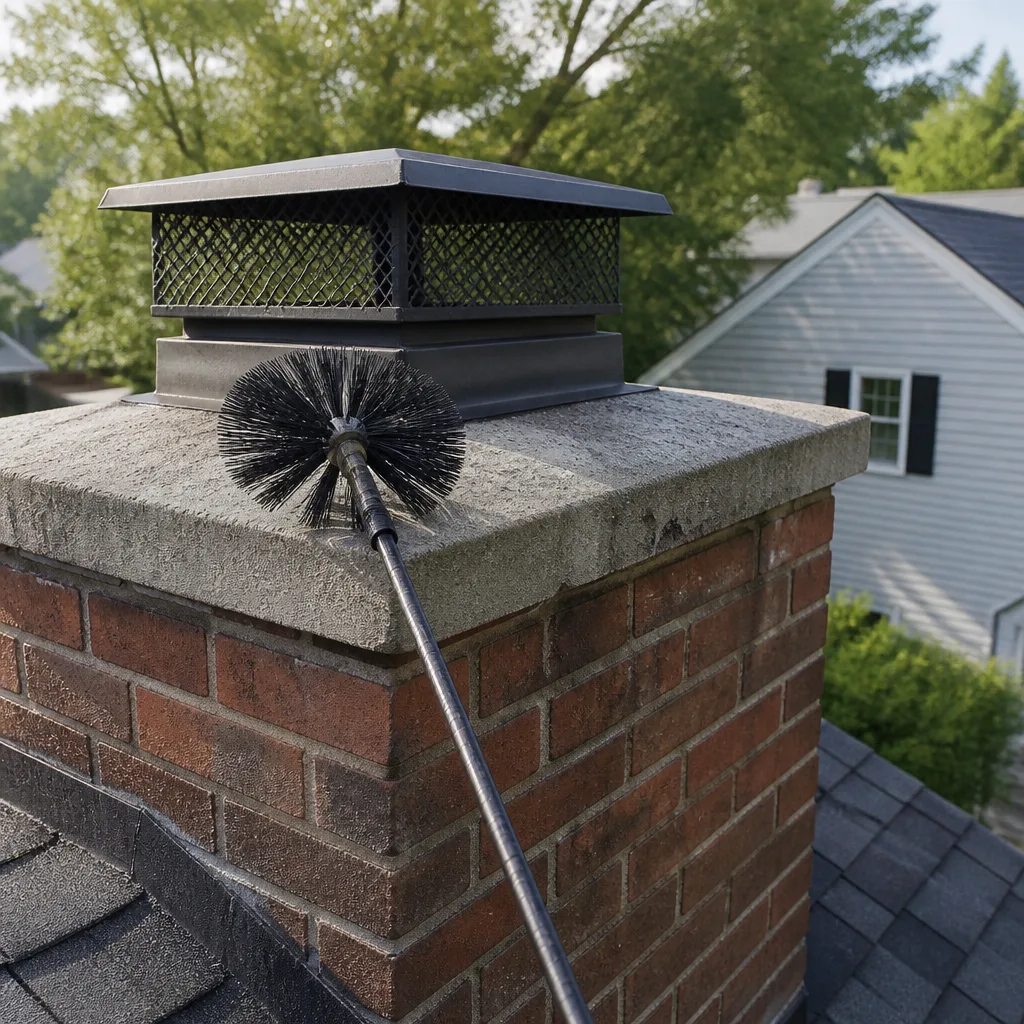
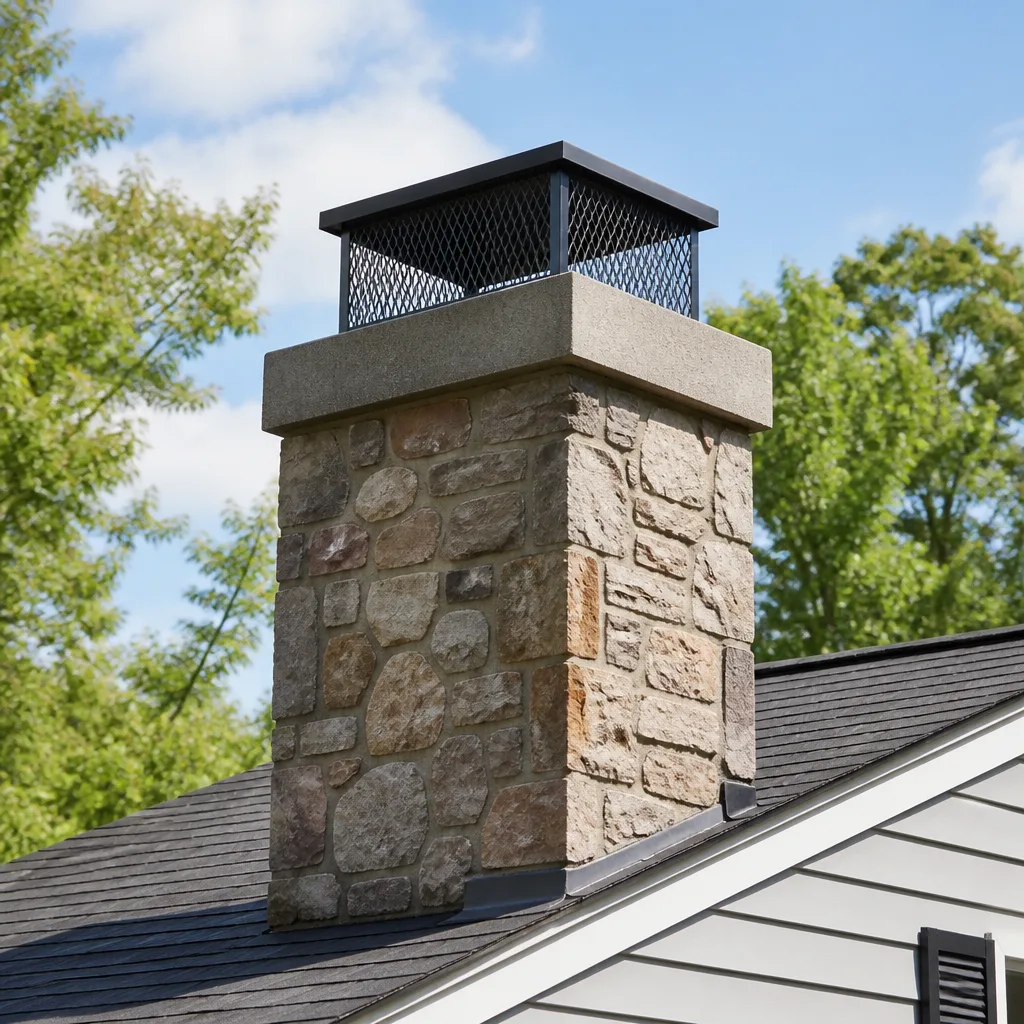
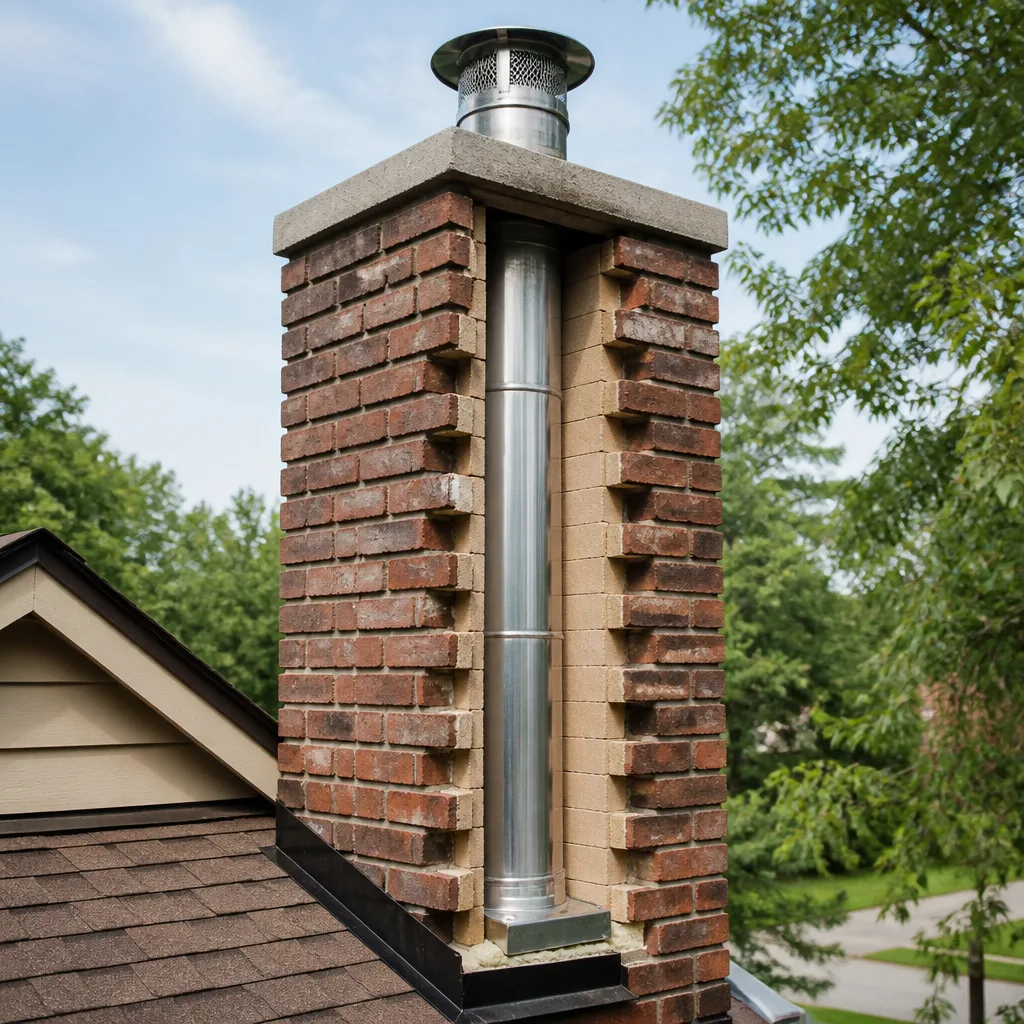
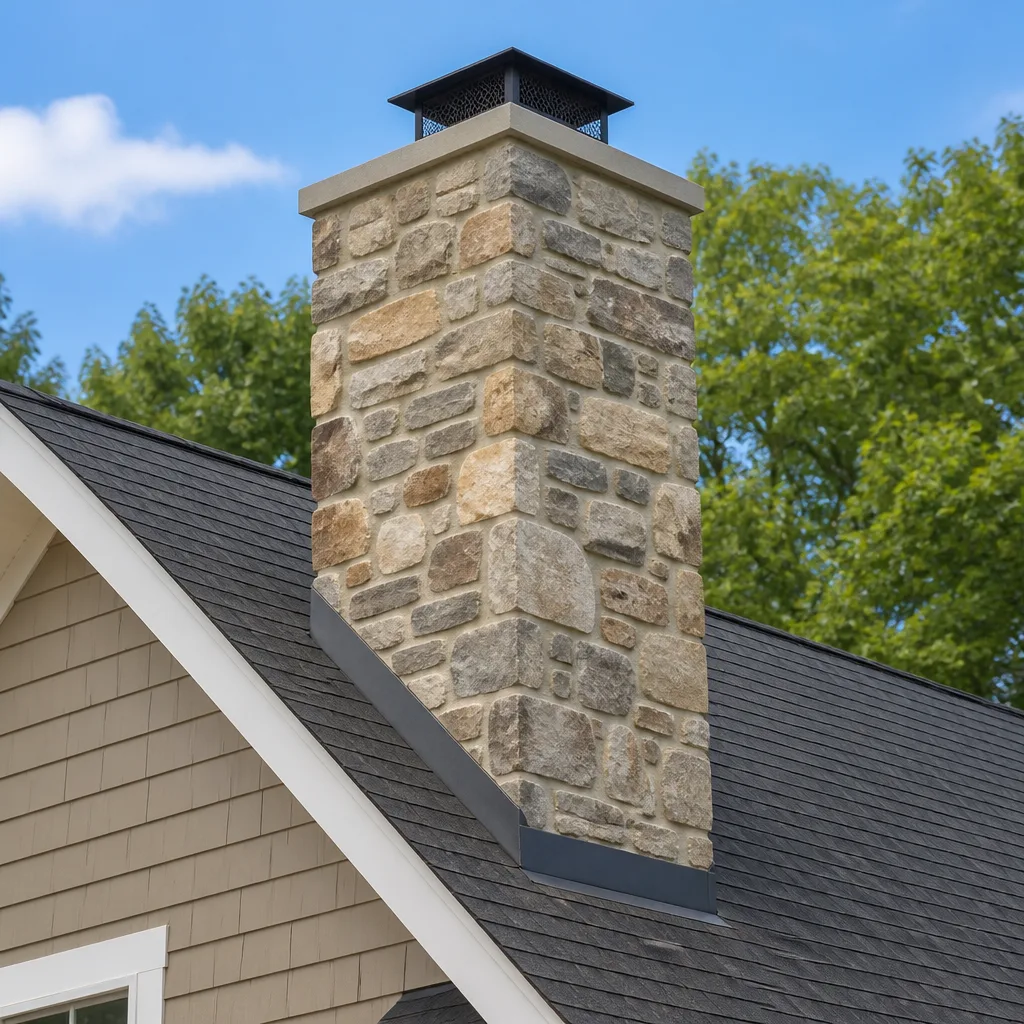
Level 1 sweep and inspection to the NFPA 211 annual standard - flue, crown, cap, and flashing checked and photographed
Chimney sweep logs do not sweep chimneys. They loosen some creosote - which then falls where a brush and vacuum still have to collect it.
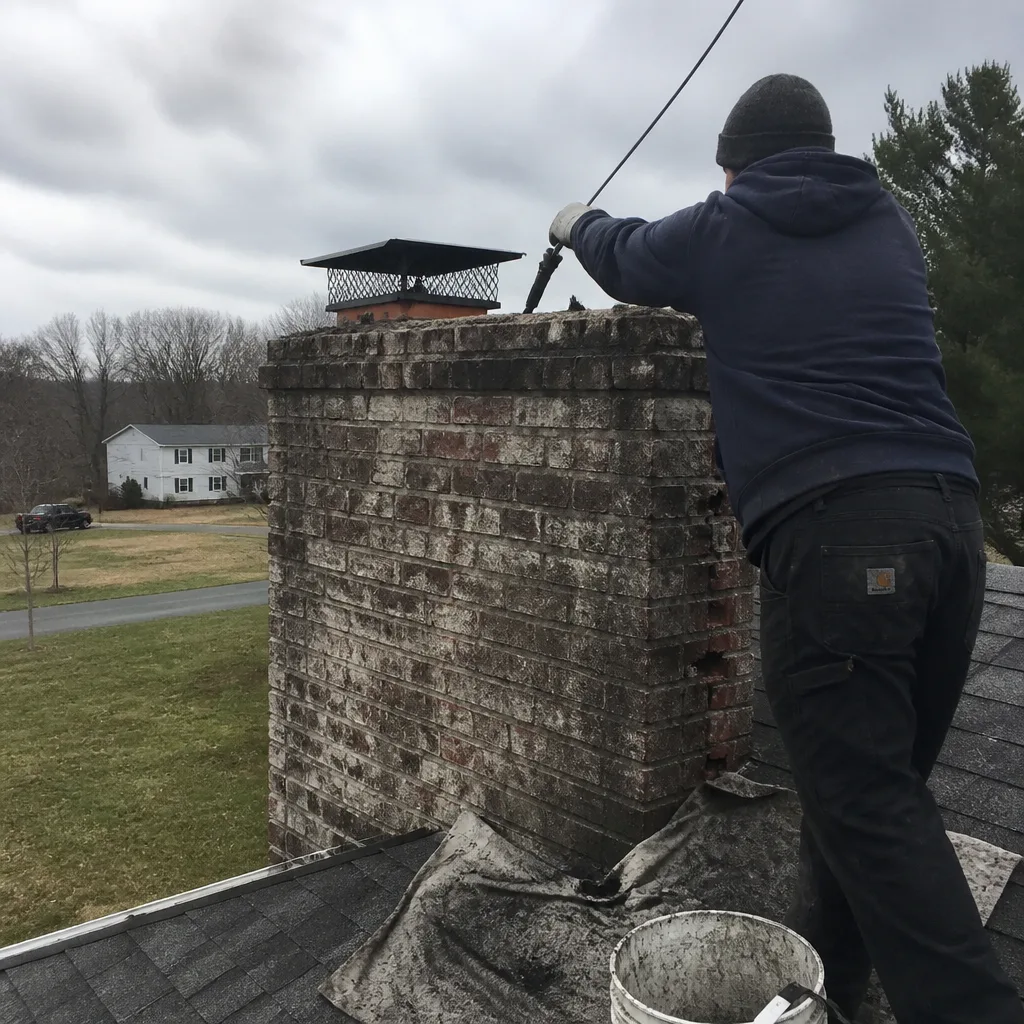 Before
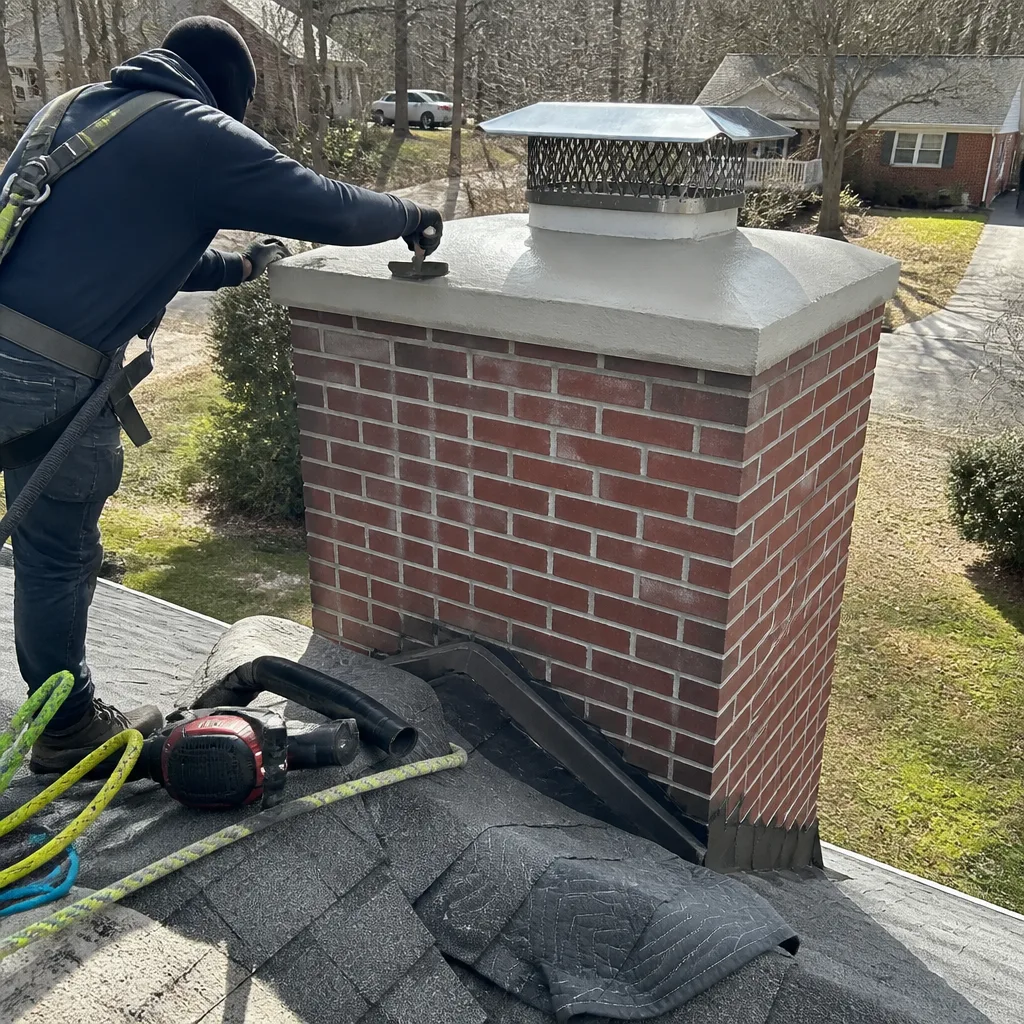 After
After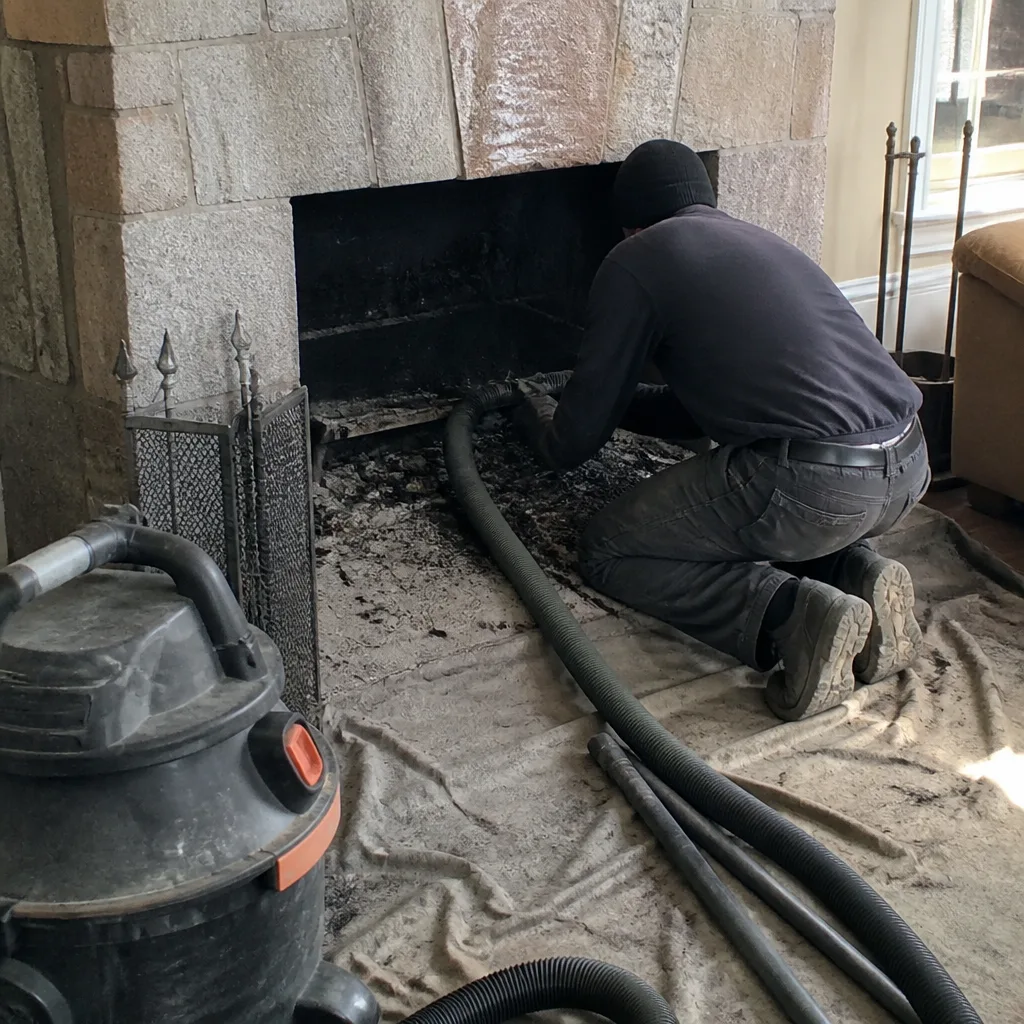 Before
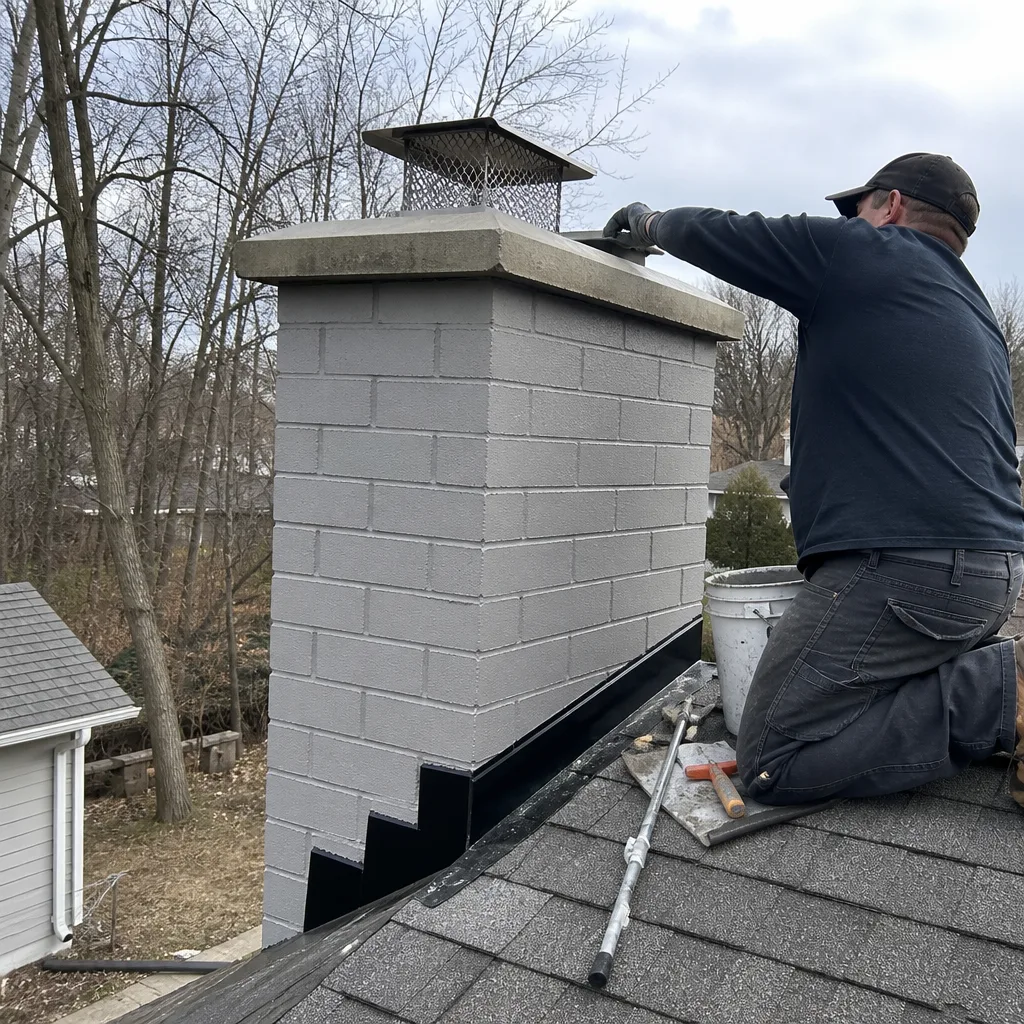 After
After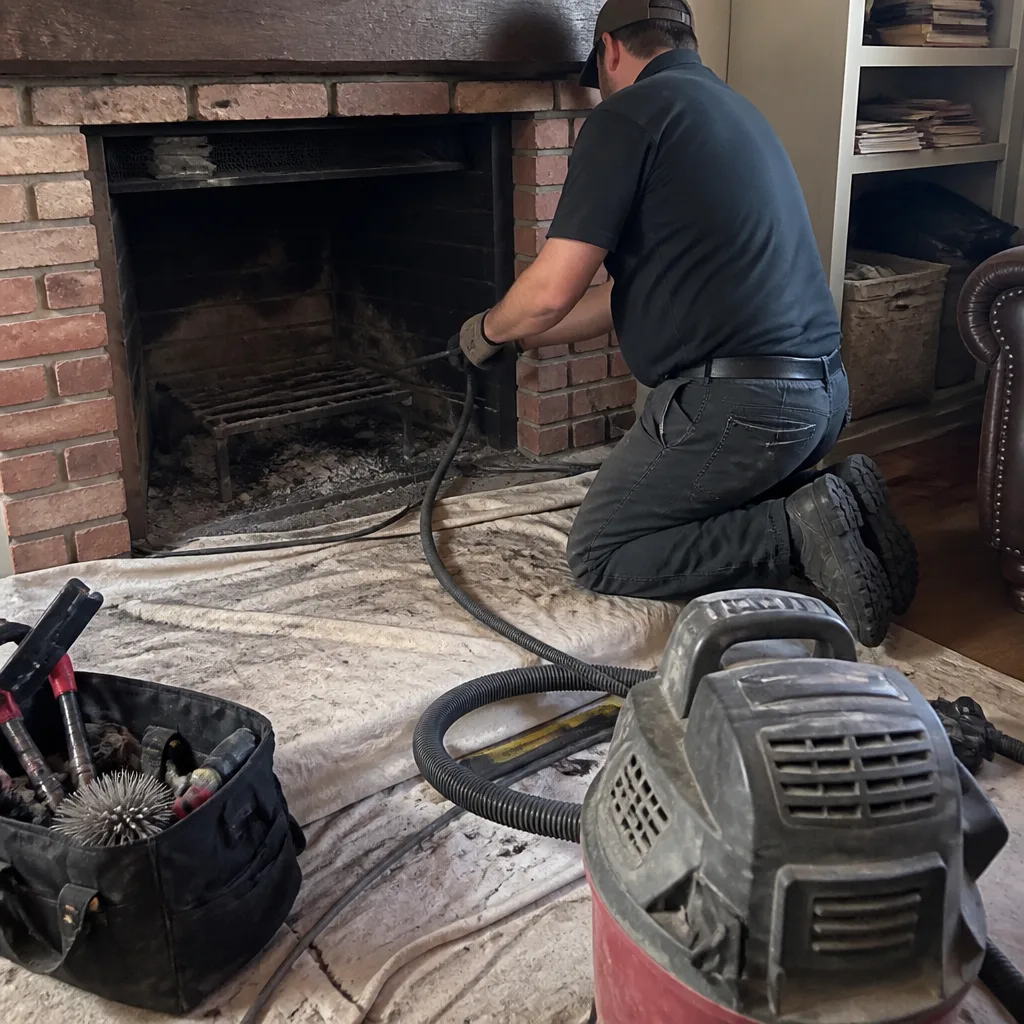 Before
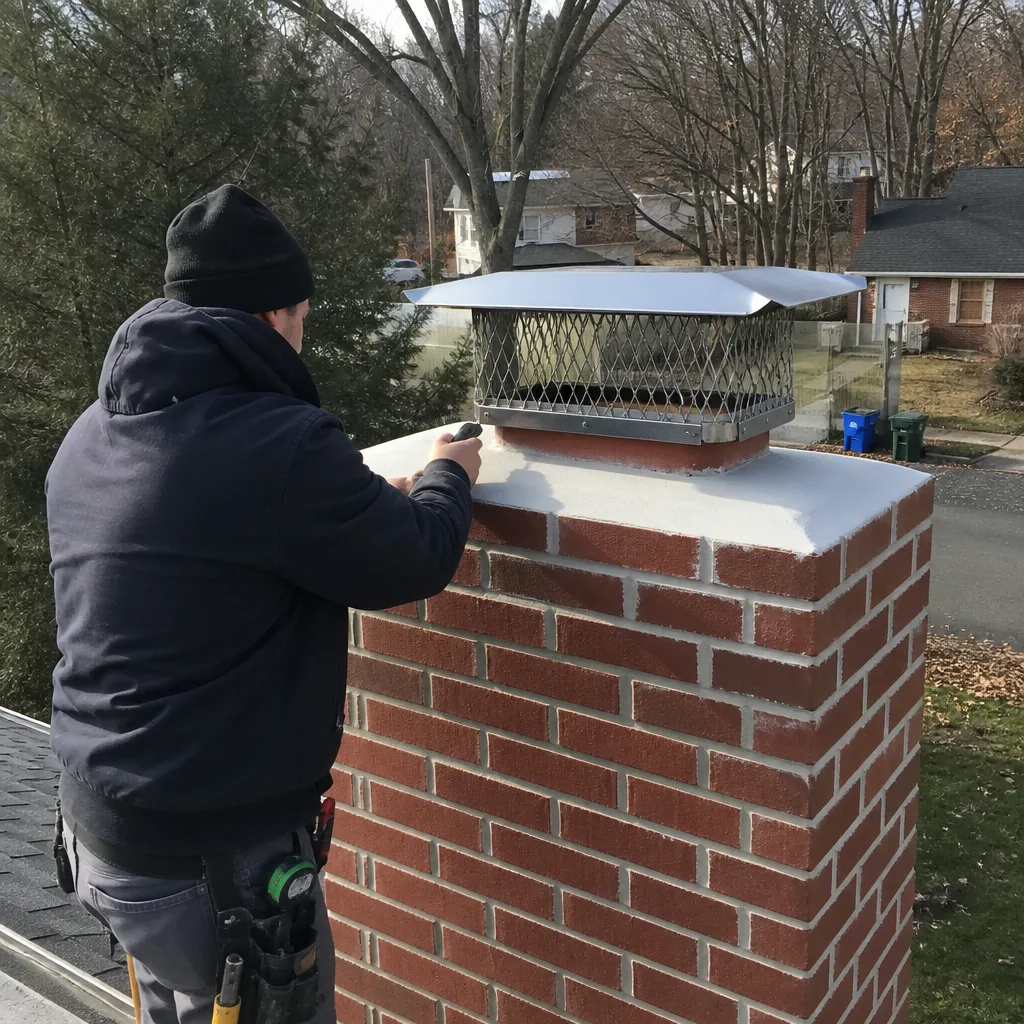 After
AfterChimney Cleaning & Sweep Maintenance Checklist for Roanoke Homeowners
Nine out of ten homeowner chimney checklists on the internet list “inspect the flue” as a task. Without defining what you’re looking for, that instruction is about as useful as “check your health.” After 42 years in this trade, we’ve learned that Roanoke homeowners need pass-fail criteria, not vague reminders. The difference between a safe chimney and a dangerous one is measured in eighths of an inch, in the angle of a crack, in whether your damper blade moves freely or grinds to a halt. This guide gives you room-by-room, season-by-season benchmarks you can actually use, with visual references from common household objects and clear lines between what you can assess yourself and what requires a professional with a camera.
Quick Answer
A proper chimney maintenance checklist for Roanoke homeowners includes three seasonal inspections: our Chimney Cleaning & Sweep services with a Level-2 camera inspection each September before first use, a mid-season spot-check each January for creosote accumulation and damper function, and a post-season close-down each April to document condition and schedule summer repairs. Most items on this checklist can be self-assessed from the firebox floor, but flue liner condition, smoke shelf debris, and crown integrity require a trained technician with inspection equipment. Keep a dated log of every check; it protects your warranty, your insurance coverage, and your household.
Table of Contents
- Why Most Chimney Checklists Fail Homeowners
- Pre-Season Checklist: September in Roanoke
- Mid-Season Spot-Check: January
- Post-Season Close-Down: April
- Visual Benchmarks: What Failure Actually Looks Like
- The Components Most Checklists Skip
- What You Can Check Yourself vs. What Requires a Camera
- Record-Keeping Log Template
Why Most Chimney Checklists Fail Homeowners
The problem with generic chimney advice is that it treats every fireplace like every other fireplace. A masonry chimney in Raleigh Court built in 1925 has different failure modes than a factory-built metal system in a 1998 Hollins split-level. Roanoke’s freeze-thaw cycles, our heavy spring pollen, and the fact that many neighborhoods sit on clay-heavy soils that shift foundations all create local conditions that national checklists ignore.
We’ve pulled bird nests from flues in Grandin Village that blocked half the airway. We’ve found smoke shelves in South Roanoke packed with enough fallen debris to fill a five-gallon bucket. These aren’t exotic problems. They’re what happens when a checklist says “check for obstructions” without telling you where to look or what “obstruction” means in practice.
A useful checklist needs three qualities:
- Specific visual or tactile benchmarks - not “check the flue” but “shine a flashlight up the flue and look for glazing that reflects light like black glass”
- Seasonal timing matched to actual use patterns - Roanoke’s first sustained cold typically arrives mid-October, so September preparation matters more than in warmer markets
- Clear boundaries between homeowner assessment and professional inspection - knowing what you don’t know prevents both false confidence and unnecessary service calls
Our chimney cleaning and sweep service in Roanoke follows this same philosophy. We document every inspection with photos and a plain-English verdict, because a homeowner who understands what they are looking at makes better decisions about what to fix now and what can wait.
Pre-Season Checklist: September in Roanoke
Roanoke’s average first frost falls in mid-October, but September is when you want your sweep scheduled. By October 15th, every reputable chimney company in the Roanoke Valley is booked two to three weeks out. The homeowners who burn safely all winter are the ones who planned in September.
This is also when our clay soils are driest and most stable after summer, which matters if your chimney has developed any leaning or separation from the house. Check after a dry spell, not immediately after heavy rain.
Exterior Assessment (Ground Level)
- Chimney crown condition: Look for cracks wider than a nickel can slide into. Hairline surface crazing is normal; a crack you can fit a business card into will channel water straight to the flue liner this winter.
- Flashing at the roofline: Check for lifted corners, rust streaks on the shingles below, or gaps where caulk has separated. Roanoke’s wind patterns from the southwest can work flashing loose over time.
- Brick and mortar: Tap suspect bricks with a key. A hollow sound means the face has delaminated from freeze-thaw damage. Spalling (flaking surface) deeper than 1/4 inch needs documentation.
- Rain cap and spark arrestor: Screen mesh should be intact with openings no larger than 1/2 inch. In Roanoke, spring pollen and fall leaf debris clog screens faster than many homeowners expect.
Interior Firebox Assessment
- Firebrick condition: Cracks narrower than a pencil line are normal thermal expansion. Gaps wider than that, or bricks that shift when pressed, indicate refractory panel failure.
- Damper operation: Open fully, close fully, listen for grinding or catching. The blade should seat flat with no visible gaps when closed. A damper that won’t close completely wastes 8-10% of your heated air up the flue.
- Smoke chamber visibility: Shine a flashlight up past the damper. You should see the sloped walls of the smoke chamber. Heavy black buildup or visible debris accumulation means the smoke shelf above needs professional cleaning.
- Hearth extension: Verify it extends at least 16 inches in front of the opening and 8 inches to each side for fireplaces, or per your unit’s specific listing for factory-built systems.
What September Requires Professionally
Schedule a Level-2 inspection with internal camera if:
- Your chimney has not been professionally inspected in the past 12 months
- You’ve had any chimney fire, lightning strike, or seismic event (including foundation settling)
- You’re changing appliance type or fuel source
- The home is new to you, regardless of what the seller disclosed
Our technicians use camera systems that document flue liner condition from firebox to crown. You receive photos you can see and a plain-English verdict on whether that crack is surface glazing or a breach requiring chimney repair in Roanoke.
Mid-Season Spot-Check: January
By January, your chimney has seen its heaviest use. This is when creosote accumulation accelerates, when damper mechanisms that were stiff in September may have seized, and when small problems become urgent. Roanoke’s January temperatures average lows in the mid-20s, meaning your system is working hard and any inefficiency costs real money.
This spot-check takes 20 minutes. Do it on a cold day when you haven’t burned for at least 12 hours.
Firebox and Hearth Check
- Ash depth: Maintain 1-2 inches of ash on the firebox floor for insulation, but no more. Excess ash restricts combustion air and increases smoke spillage.
- Firebrick thermal damage: Look for new cracking since September, white or gray discoloration (indicating overheating), or mortar loss deeper than 1/8 inch.
- Soot fall accumulation: Black granular deposits on the hearth or firebox sides indicate poor draft or green/insufficiently seasoned wood.
Damper and Draft Verification
- Cold draft test: With the damper closed and house at normal temperature, hold a lit incense stick or thin candle near the damper. Smoke drawn upward indicates a failed damper seal or negative pressure problem.
- Damper range of motion: Should move from fully open to fully closed with consistent resistance. If it sticks in mid-position, creosote buildup on the blade or frame is likely.
Creosote Quick-Assessment
Without climbing, you can estimate creosote stage from the firebox:
- Stage 1 (powdery, sooty): Wipes off with a finger. Normal for gas appliances; acceptable for wood if less than 1/8 inch thick.
- Stage 2 (flakey, popcorn-like): Crumbles when touched. Indicates wood moisture content above 20% or restricted combustion air. Schedule sweep before next season.
- Stage 3 (glazed, hard, shiny): Does not scratch with a fingernail. This is the dangerous form. Burning it off is not safe. Professional removal required.
If you find Stage 3, stop burning and call for service. The ignition temperature of glazed creosote is approximately 451°F, and chimney fires in Roanoke peak in January and February when systems are most heavily used and most heavily loaded. For a deeper look at what to watch for, see our Chimney Cleaning Warning Signs: A Roanoke Homeowner’s Reference Guide.
Post-Season Close-Down: April
April in Roanoke brings the last reliable freeze risk and the beginning of our heavy pollen season. This is when you document the winter’s wear and schedule non-urgent repairs before next season’s rush. It’s also when moisture becomes your chimney’s primary enemy, with spring rains and humid summers accelerating any deterioration that started over the heating season.
Final Burn and Cool-Down Documentation
- Date of last fire: Record this. Insurance adjusters and sweeps both ask, and “sometime in March” is less useful than “March 18.”
- Any smoke spillage events: Note date, duration, and probable cause if known. Even brief spillage indicates draft or pressure problems.
- Odors noticed during non-use: Musty smells suggest water intrusion; sour/acidic smells indicate creosote reacting with humidity.
Exterior Condition Documentation
- Post-winter mortar and brick: Compare to your September photos. New spalling, widened cracks, or efflorescence (white powdery deposits) indicate water penetration over the winter.
- Cap and crown water pooling: After rain, check for standing water on the crown. Proper crowns slope 1/4 inch per foot minimum from the flue tile to the edge.
- Flashing and sealant integrity: Spring expansion and contraction often reveal winter damage that was hidden by snow or ice.
Schedule Summer Repairs
May through August is when fireplace services in Roanoke have availability for crown rebuilding, liner installation, and masonry repair. The work cures better in warm, dry weather, and you’ll have first pick of scheduling. Waiting until September means joining the rush and potentially delaying your first safe fire.
Our 90-Day Done Right Promise applies year-round. If we repair your crown in June and you notice an issue in August, we make it right. In writing, no arguing. That’s how we’ve operated since 1984.
Visual Benchmarks: What Failure Actually Looks Like
Every checklist tells you to “check for creosote buildup.” Almost none tell you what 1/8 inch versus 1/4 inch looks like, or why the difference matters for safety versus scheduling urgency. Here are the household reference objects we teach homeowners to use.
Creosote Thickness References
| Thickness | Household Equivalent | What It Means | Action Required |
|---|---|---|---|
| 1/16 inch | Two stacked credit cards | Normal for a season of moderate wood burning | Sweep at next scheduled interval |
| 1/8 inch | Standard pencil diameter | NFPA 211 threshold; clean before next burning season | Schedule sweep within 30 days |
| 1/4 inch | Standard drinking straw diameter | High fire risk; restricted flue capacity | Stop burning; sweep immediately |
| 3/8 inch or more | Standard wooden pencil eraser diameter | Critical hazard; chimney fire probability elevated | Emergency service; do not use |
Crack Width References
- Hairline: Won’t catch a fingernail. Normal thermal crazing in refractory panels.
- Nickel-width: Actual US nickel (0.083 inch). Monitor annually; seal if in crown, not flue liner.
- Business card: 0.014 inch. Water penetration path. Repair before next season.
- Pencil: 0.25 inch. Structural concern in masonry; liner breach if in flue tile.
Color Indicators
Black, matte, and powdery: Normal soot. Black, shiny, and hard: Glazed creosote. White or gray: Overfiring, refractory damage, or flue gas condensation. Orange or rust-colored: Metal component corrosion, often from water intrusion or condensing flue gases in oversized flues.
In Roanoke’s older neighborhoods, we see a lot of white staining on exterior brick below the roofline. Homeowners often mistake this for “just aging.” It’s efflorescence, soluble salts left by evaporating water, and it means your chimney is taking on moisture that will destroy mortar joints from the inside out.
The Components Most Checklists Skip
Generic checklists focus on the flue because it’s visible and dramatic. These three components cause more performance problems and safety hazards, and they’re rarely mentioned.
Smoke Shelf Debris Accumulation
The smoke shelf sits behind the damper, a flat or slightly sloped surface designed to catch falling debris and prevent downdrafts. In Roanoke, we regularly find smoke shelves packed with:
- Fallen mortar from deteriorating flue tiles
- Collapsed bird nests (even with a cap; they build on the shelf itself)
- Years of condensed creosote that has dripped and pooled
- Construction debris from original build or prior repairs
You cannot see the smoke shelf from the firebox without a mirror and light, and you cannot clean it effectively without proper tools. A packed smoke shelf restricts draft, causes smoke spillage into the room, and provides fuel for chimney fires. During our chimney cleaning and sweep service in Roanoke, we remove and document smoke shelf condition as standard practice, not an upsell.
Damper Blade Corrosion Scoring
Cast iron and steel damper blades corrode from the top down, where acidic flue gases condense. The blade may move freely but no longer seat flat, leaving a gap that bleeds heated air 24 hours a day. Check by closing the damper fully and looking for light from above. Any visible line means air leakage.
Corrosion scoring also weakens the blade itself. We’ve removed dampers in Roanoke homes where the blade was paper-thin in spots, ready to fall into the firebox during adjustment. Replacement with a properly sized top-sealing damper, often from Gelco or Olympia Chimney, typically pays for itself in two heating seasons through reduced air leakage.
Rain Cap Screen Clogging
Roanoke’s spring pollen season, typically late March through early May, deposits a yellow-green film on every outdoor surface. On chimney cap screens, this combines with cottonwood seed, leaf fragments, and spider webs to form a mat that looks solid from below but restricts airflow by 30-50%.
A clogged screen doesn’t just reduce draft. It can cause smoke backup, carbon monoxide spillage, and accelerated creosote formation from incomplete combustion. The screen should be brushed clean each April and inspected for corrosion damage. Stainless steel mesh from Famco or Copperfield outlasts galvanized by a decade in our climate.
What You Can Check Yourself vs. What Requires a Camera
We’re straightforward about this because we’ve seen the consequences of overconfidence. A homeowner who falls through a rotted roof trying to inspect their own crown, or who misses a flue liner breach because they didn’t know to look for it, faces costs that dwarf any service call.
Homeowner-Appropriate Checks
All of these can be done from the firebox floor, the hearth, or ground level outside:
- Damper operation and visible light leakage when closed
- Firebrick condition and mortar integrity
- Hearth extension dimensions and crack assessment
- Exterior brick, mortar, and crown visible from ground or safe ladder height
- Rain cap and screen condition
- Flashing and roofline sealant from ground or attic
- Ash depth and basic firebox cleanliness
- Presence of animal entry (sounds, debris, odors)
Professional Camera Inspection Required
These require a trained technician with a chimney camera, proper lighting, and the knowledge to interpret what the image shows:
- Flue liner condition: cracks, gaps, spalling, or missing tiles
- Smoke shelf debris and condition
- Chimney clearance to combustibles (requires measurement tools and code knowledge)
- Crown interior condition and flue tile embedment
- Foundation-related leaning or separation from structure
- Factory-built chimney panel seams and joint integrity
The camera doesn’t just find problems. It proves they’re real. When we show a homeowner a photo of their actual flue liner with a visible crack, they can make an informed decision about repair timing. When we document a clean flue, they know they’re not being sold unnecessary work. Photos you can see, a plain-English verdict. That’s our standard.
Our Level-2 inspections use equipment that reaches every flue from firebox to crown. The inspection includes a written report with photos, recommended action with priority ranking, and no-hassle upfront pricing for any needed work. The number on the estimate is the number on the invoice.
Record-Keeping Log Template
A written log protects you in three ways: warranty claims, insurance disputes, and informed scheduling. When a chimney fire occurs, the first question from adjusters is “when was it last inspected and by whom?” “I think a few years ago” is not a sufficient answer.
Here’s the format we recommend, and what our clients receive after every Hearthstone visit:
| Date | Inspector/Company | Inspection Type | Findings Summary | Action Taken | Next Due |
|---|---|---|---|---|---|
| Example: 9/15/2024 | Hearthstone Chimney Co. | Level-2 with camera | Stage 1 creosote, 1/16″; flue tile sound; minor crown crazing | Sweep completed; crown seal recommended for 2025 | Sweep 9/2025; crown seal 4/2025 |
Homeowner Self-Check Log
Between professional visits, record:
- Date of each self-assessment (September, January, April minimum)
- Damper operation: smooth / sticking / failed
- Creosote estimate: none / light / moderate / heavy / glazed
- Any smoke spillage: date, duration, weather conditions
- Exterior changes noted: new cracks, spalling, efflorescence, cap damage
- Repairs or modifications by any contractor
Keep this log with your home maintenance records. If you sell, it demonstrates responsible maintenance to buyers. If you file an insurance claim, it establishes due diligence. If you call us for service, it lets us focus on what’s changed rather than starting from zero.
Our Hearthstone Chimney Co. home page has contact information to schedule documented inspections that build your log automatically.
Common Mistakes to Avoid
- Assuming a clean firebox means a clean flue. The firebox is where you see; the flue is where the hazard lives. We’ve swept chimneys with pristine fireboxes and 3/8-inch glazed creosote 15 feet up.
- Burning pine or “seasoned” wood that isn’t. Roanoke’s humid summers mean wood stacked without cover rarely reaches 20% moisture by fall. Buy a $25 moisture meter. Green wood creates glazed creosote faster than any other single factor.
- Ignoring the April close-down. Chimneys that sit all summer with spring rain entering through crown cracks develop accelerated deterioration. April documentation catches problems when repair scheduling is flexible.
- Using the wrong flue for the wrong appliance. We see this in Roanoke’s older homes where a wood insert was installed in a fireplace without proper liner sizing. An oversized flue for a gas appliance causes condensation; an undersized flue for wood causes smoke spillage and creosote.
- Trusting “chimney sweeping logs” as replacement for mechanical cleaning. These products may loosen light deposits but do not remove glazed creosote and provide no inspection of liner condition. They’re a supplement, not a substitute.
- Neglecting the rain cap because “it looks fine from the ground.” Screens corrode from the inside out. A cap that appears intact may have mesh degraded to the point of functional failure.
- Failing to verify a sweep’s credentials. Virginia does not require chimney-specific licensing, which means anyone with a brush and a truck can claim expertise. Ask for CSIA certification, proof of insurance, and whether they’ll provide photos from the inspection.
When to Call a Professional
Call for service rather than self-assessment when you observe any of the following: smoke entering the room during normal operation; a chimney fire (often described as a freight train sound or dense smoke from the top); visible cracks in flue tiles seen from below; a damper that will not open or close; animal sounds or odors from the chimney; or any exterior leaning, separation, or significant spalling.
Carbon monoxide is the silent risk. A blocked or damaged flue can vent this odorless, colorless gas into living spaces. If your CO detector alarms and you cannot identify a source, treat the chimney as suspect until professionally cleared.
Hearthstone Chimney Co. offers free estimates in Roanoke. A live person answers every call, 24 hours a day, 7 days a week. Call (540) 787-3302 to schedule, or to discuss whether what you’ve found needs immediate attention or can wait for routine service. We’ll tell you straight. Done right, and we stand behind it.
Frequently Asked Questions
A standard chimney sweep and Level-1 inspection in Roanoke typically runs $150-$250 for a straightforward masonry fireplace in normal condition. Factory-built systems, inserts with liners, or chimneys requiring significant creosote removal fall toward the higher end. Our $89 Seasonal Tune-Up covers basic sweep and inspection for qualifying systems during off-peak months. We provide no-hassle upfront pricing before any work begins; the number on the estimate is the number on the invoice. Call (540) 787-3302 for an exact quote on your specific system - estimates are free.
You need a new liner when your existing one is damaged, improperly sized, or absent, and only a camera inspection can determine this with certainty. Cracked clay tiles, gaps at joints, or missing tiles require replacement because they allow heat and combustion gases to reach combustible framing. An unlined masonry chimney is a code violation in Virginia and a known fire hazard. However, we never recommend liner replacement without photo evidence you can see yourself. Many “liner replacements” sold by less scrupulous operators are unnecessary. Our plain-English verdict includes the specific defect, its location, and why it matters. If work can safely wait, we’ll say so.
The National Fire Protection Association standard is annual inspection, with sweeping as needed based on creosote accumulation. For Roanoke homeowners burning wood as a primary heat source, that typically means annual sweeping before the heating season. Occasional weekend users may stretch to every two years if the previous inspection showed minimal buildup. Gas systems need less frequent sweeping but still require annual inspection for venting integrity and debris obstruction. The definitive answer comes from inspection, not calendar alone.
The most common consequence is a chimney fire, which occurs when accumulated creosote ignites. These range from brief, self-extinguishing events the homeowner never notices to structure-destroying fires that spread to the roof. Less dramatic but more common: gradual liner deterioration allows carbon monoxide into living spaces, or water intrusion destroys the chimney from inside, leading to rebuild costs in the thousands. In Roanoke’s competitive real estate market, unmaintained chimneys also become negotiation points that cost sellers far more than preventive maintenance would have. The risk is real, but so is unnecessary fear. A documented annual inspection tells you exactly where you stand.
A homeowner can safely remove light ash and debris from the firebox, brush a rain cap screen, and perform the visual assessments in this checklist. Mechanical cleaning of the flue itself requires proper brushes, extension rods, and knowledge of how to avoid damaging liner tiles or dislodging connections. More importantly, cleaning without inspection is half a job; the critical question is whether the flue is intact, and that requires a camera. We do not recommend DIY flue cleaning because the risk of missing a serious defect exceeds the cost of professional service. Our background-checked, uniformed technicians complete most jobs in a single visit with no mess left behind.
Our standard sweep includes full firebox cleaning, smoke chamber and smoke shelf debris removal, flue brushing with appropriate brushes for your liner type, damper cleaning and lubrication, exterior cap and crown assessment, and a Level-1 inspection of all accessible components. We finish with photos of interior and exterior condition, a written report with plain-English findings, and upfront pricing for any recommended additional work. The 90-Day Done Right Promise covers all work: if it’s not right, we make it right, in writing, with no arguing. We use professional-grade materials from DuraFlex, HeatShield, Gelco, and Olympia Chimney when repairs are needed - no builder-grade substitutes.
The Bottom Line
A chimney checklist works when it tells you what failure looks like, not just where to look. For full details, read The Complete Guide to Chimney Cleaning in Roanoke, or use the household benchmarks in this guide to assess creosote, cracks, and component wear. Complete the three seasonal checks - September preparation, January spot-check, April close-down - matched to Roanoke’s actual heating calendar. Know the line between what you can evaluate from the firebox floor and what requires professional camera inspection. Keep a dated log of every check and every service. And when you need a second opinion, a documented inspection, or work done with a written guarantee, we’re here. Done right, and we stand behind it.
Written by Russell Haines, Owner at Hearthstone Chimney Co., serving Roanoke since 2014. Explore more guides & resources on our blog.