
Last updated September 10, 2026
Level 1 sweep and inspection to the NFPA 211 annual standard - flue, crown, cap, and flashing checked and photographed
Chimney sweep logs do not sweep chimneys. They loosen some creosote - which then falls where a brush and vacuum still have to collect it.
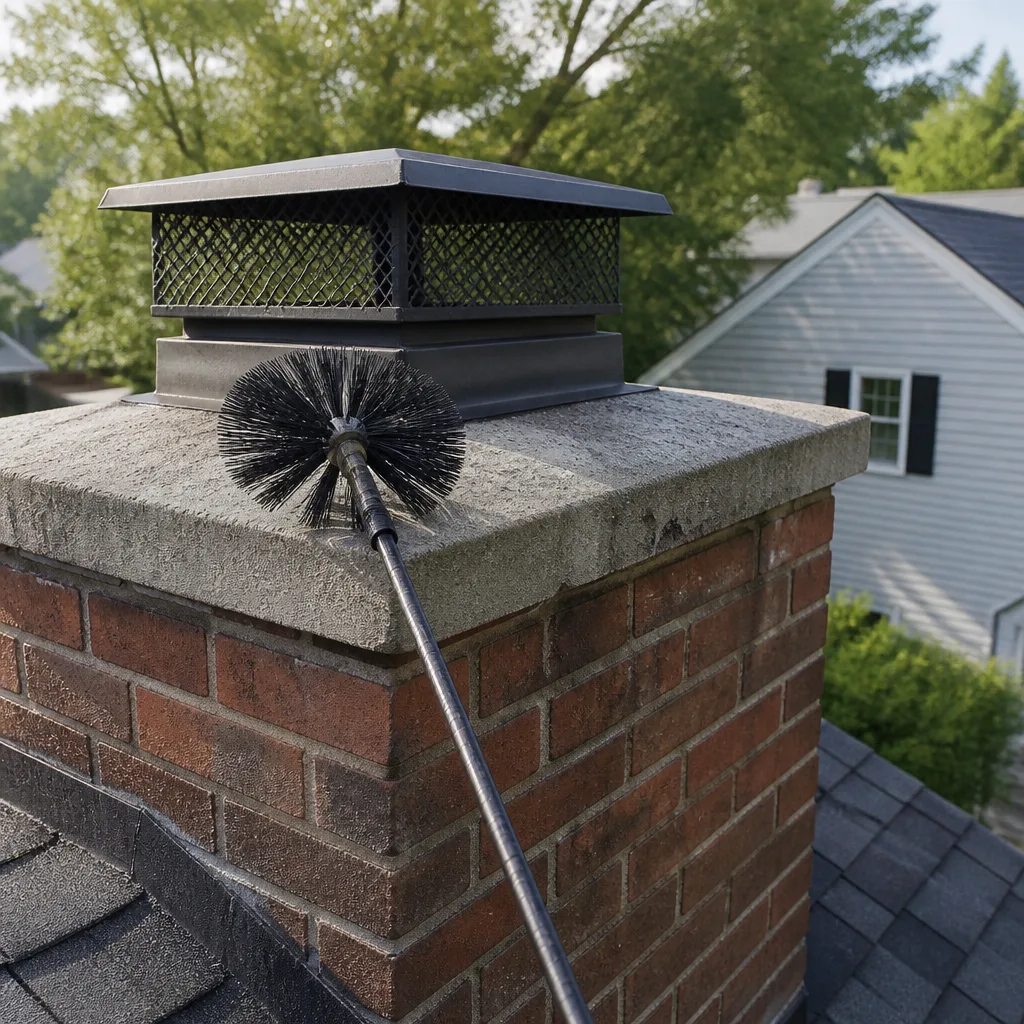
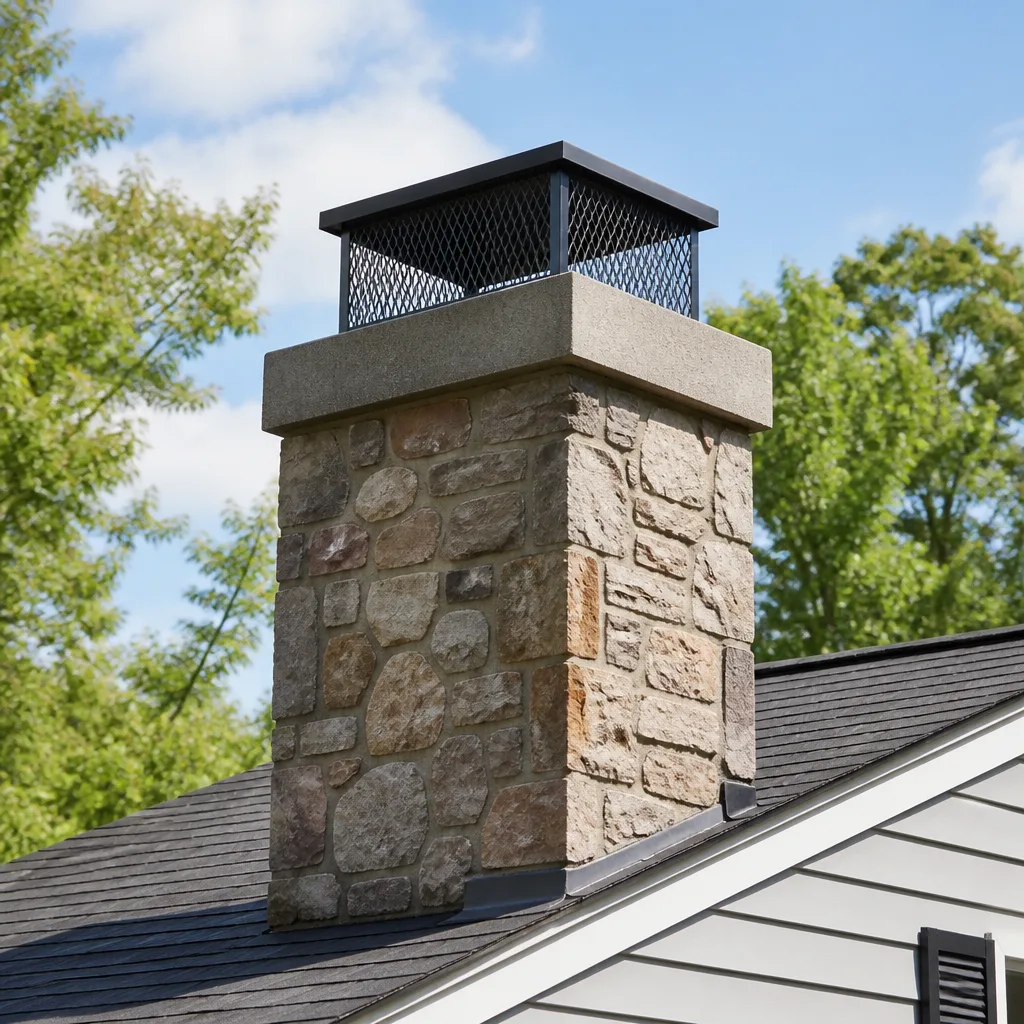
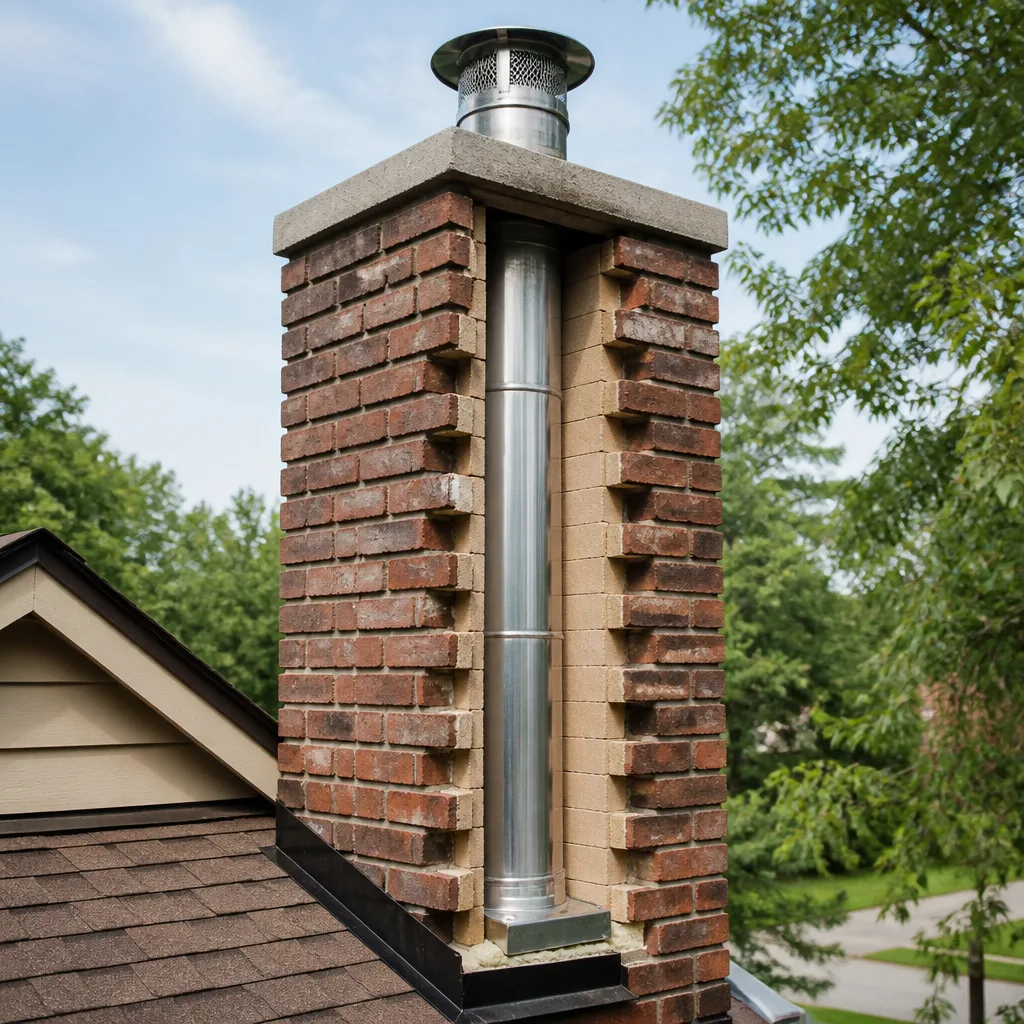
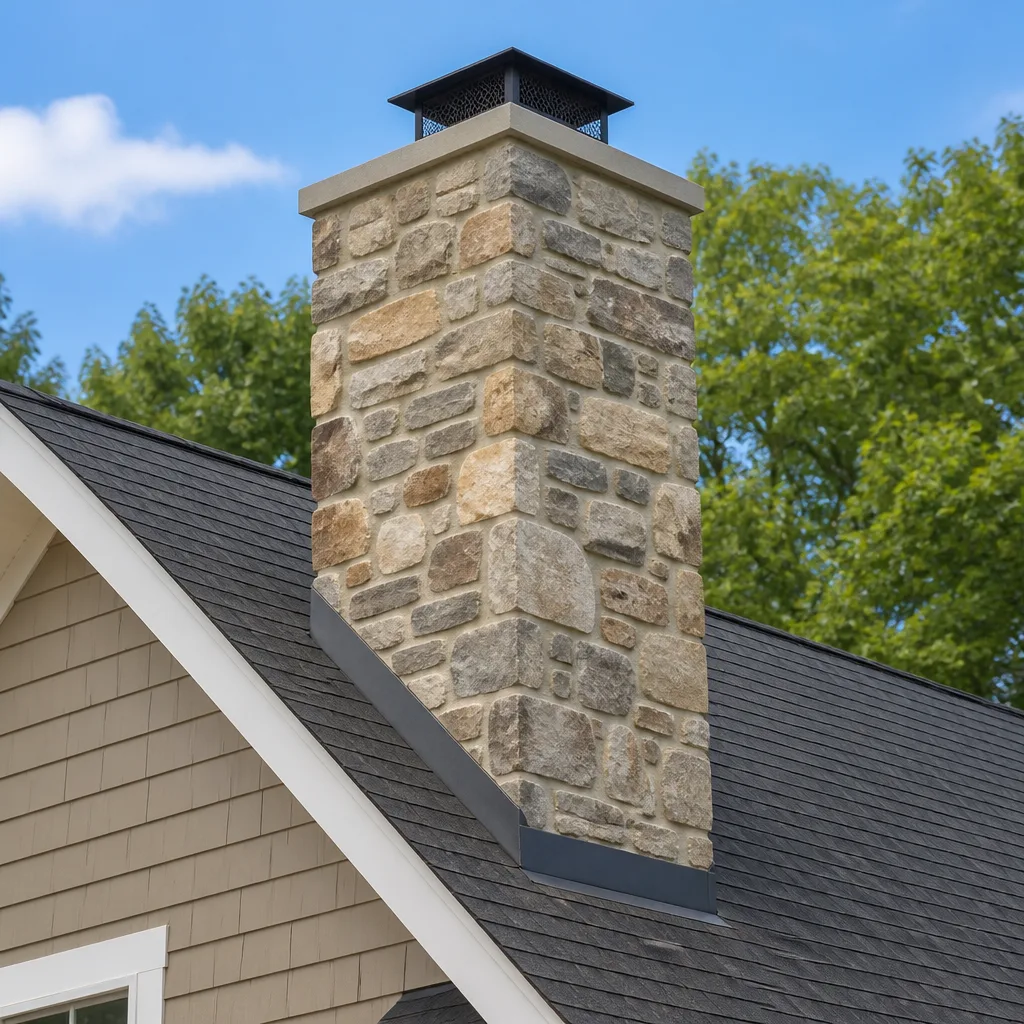
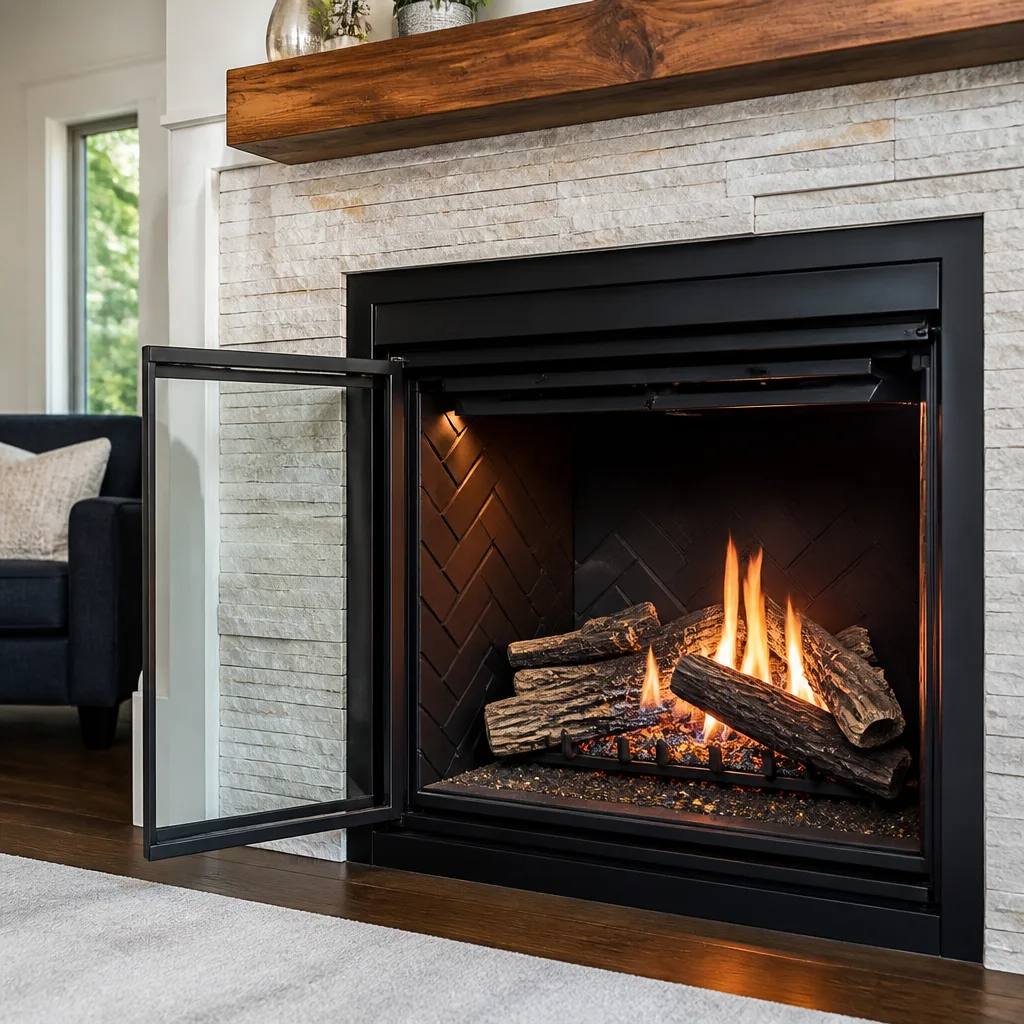
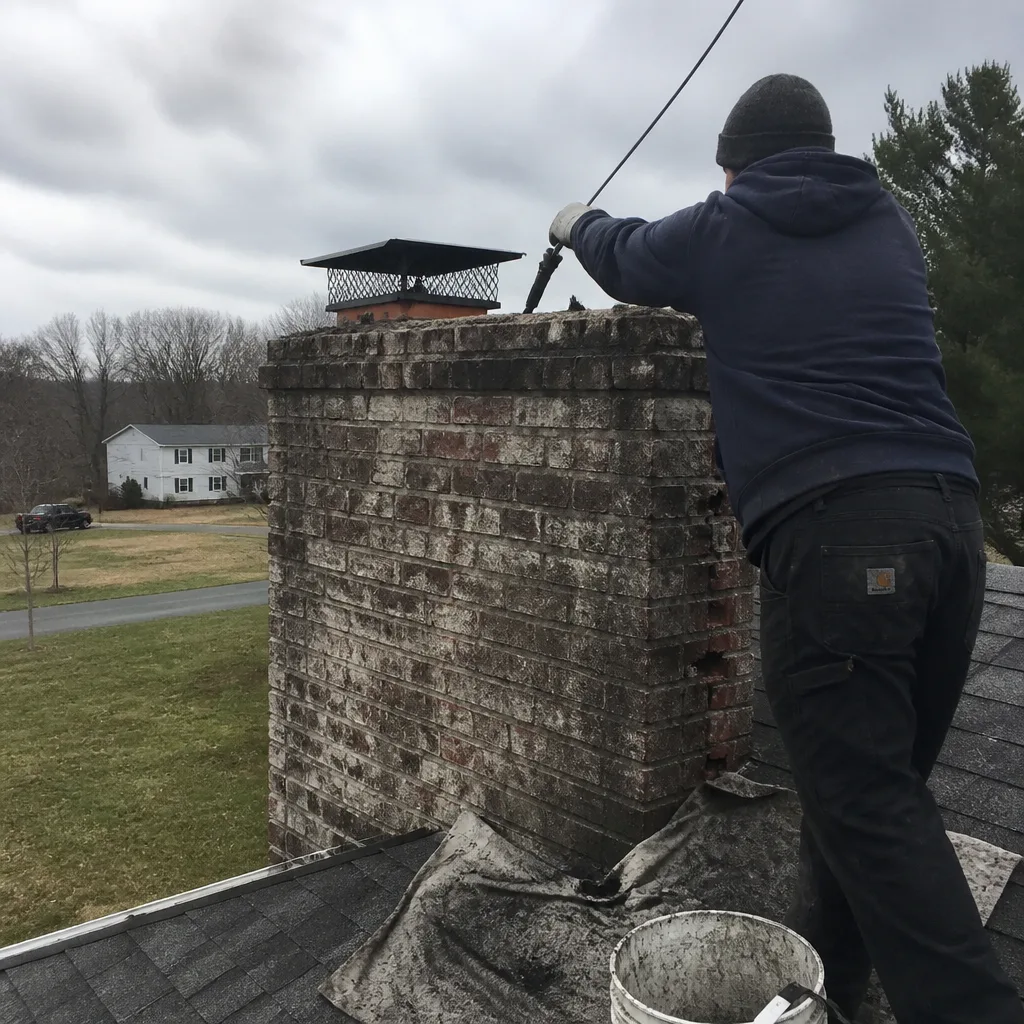 Before
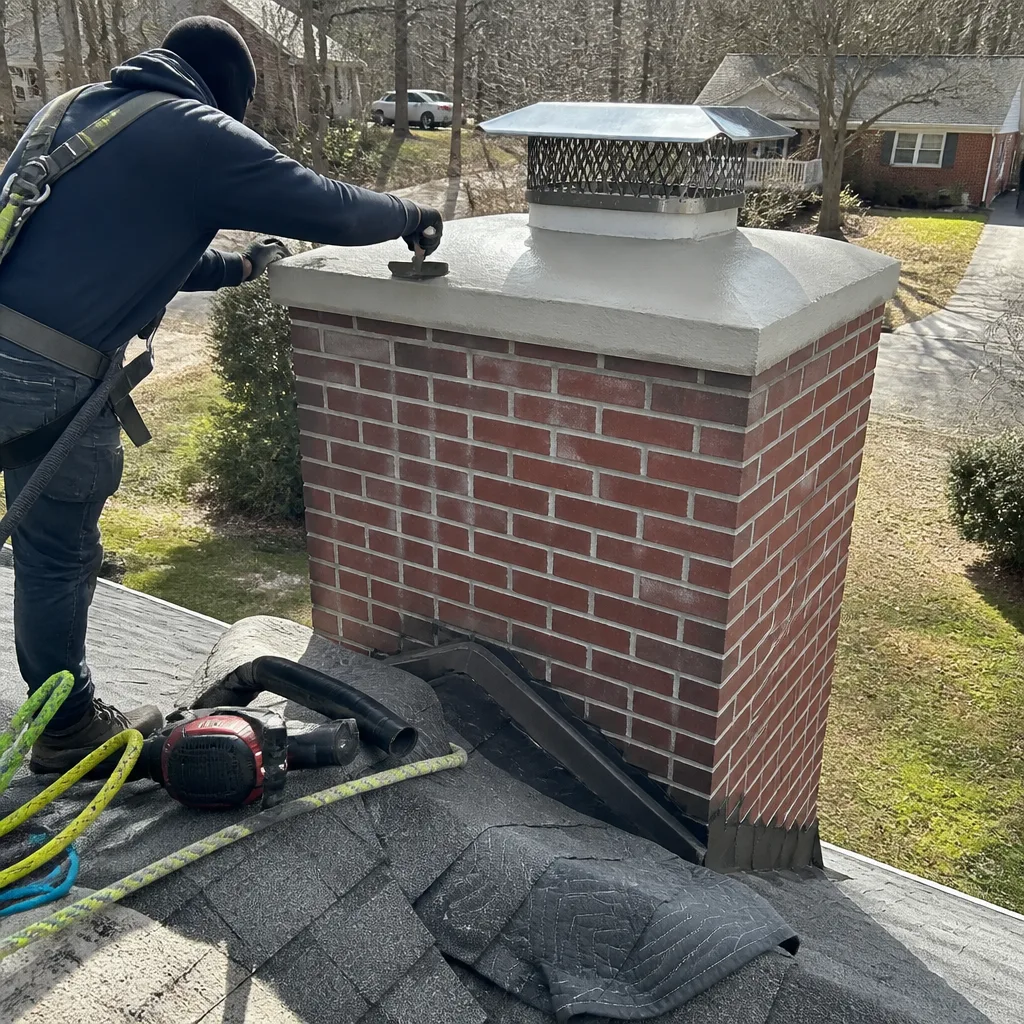 After
After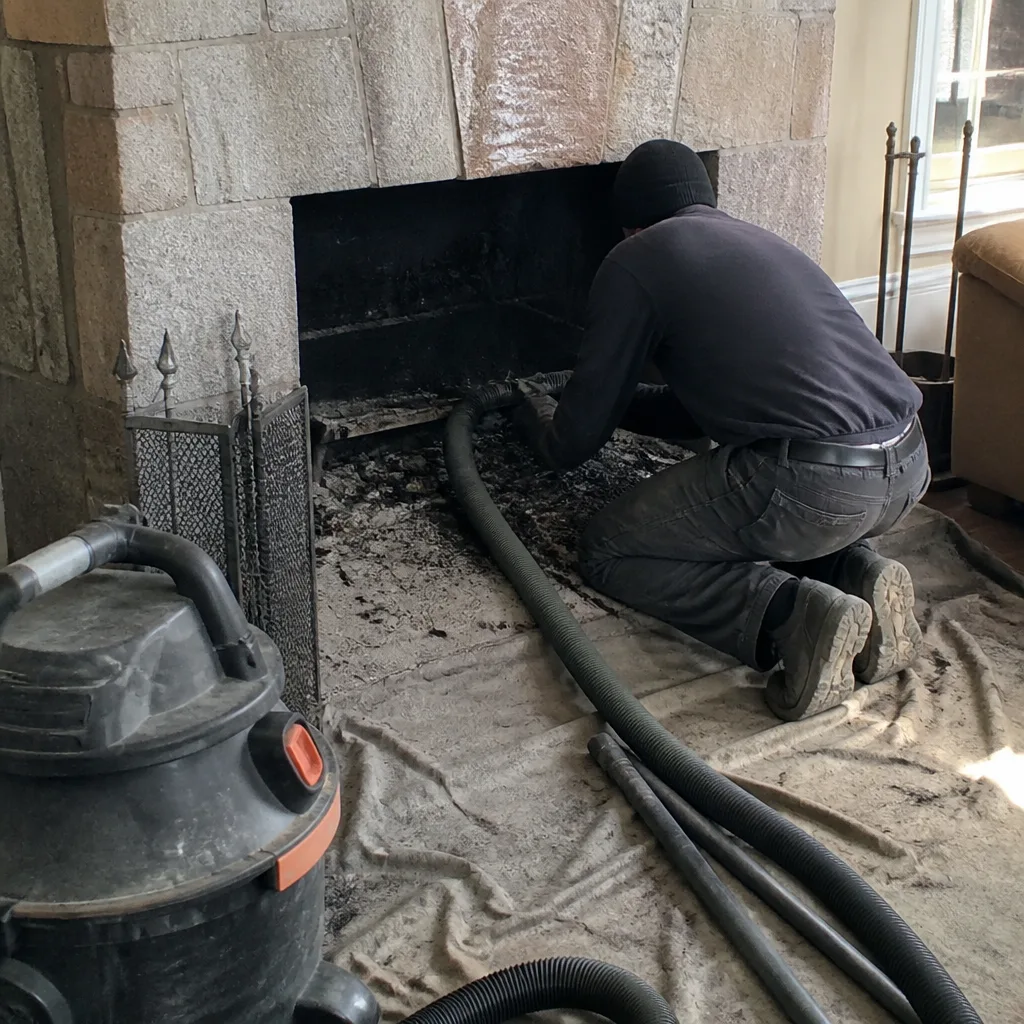 Before
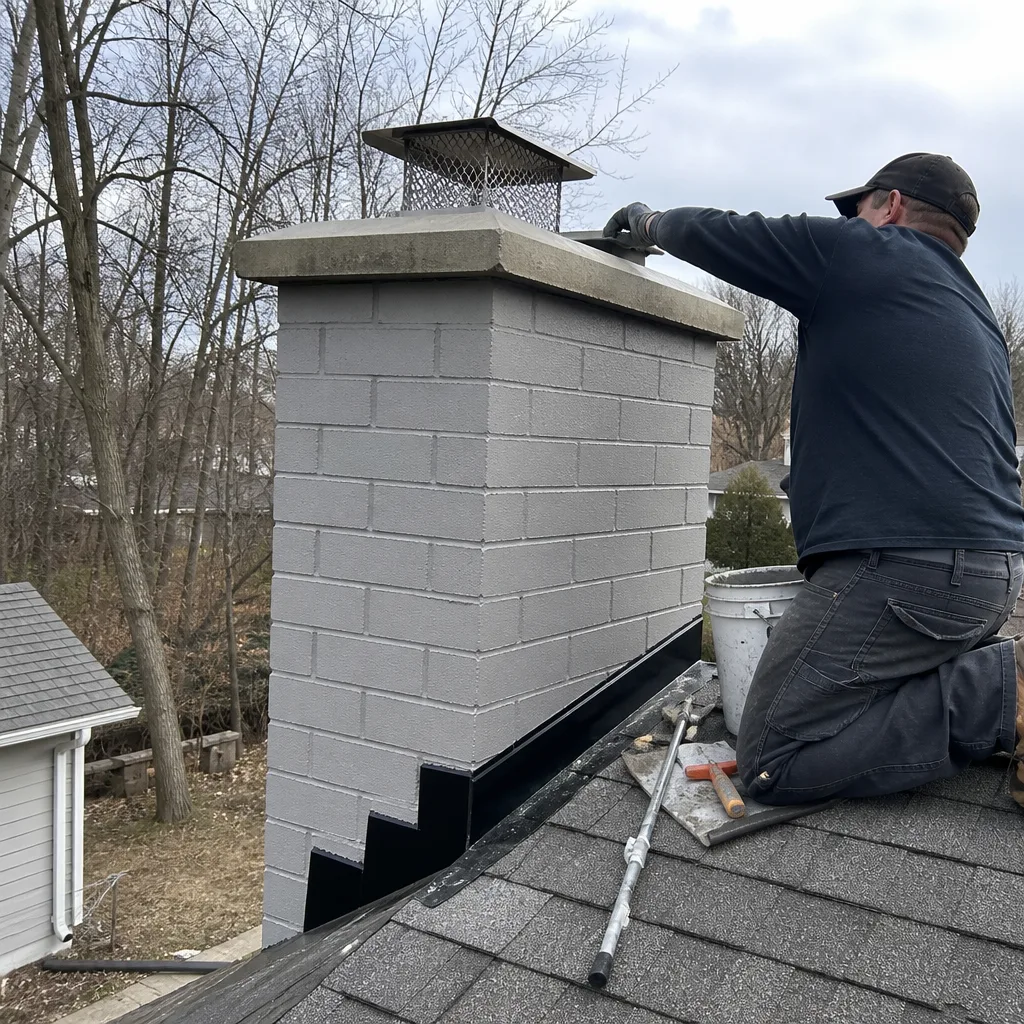 After
After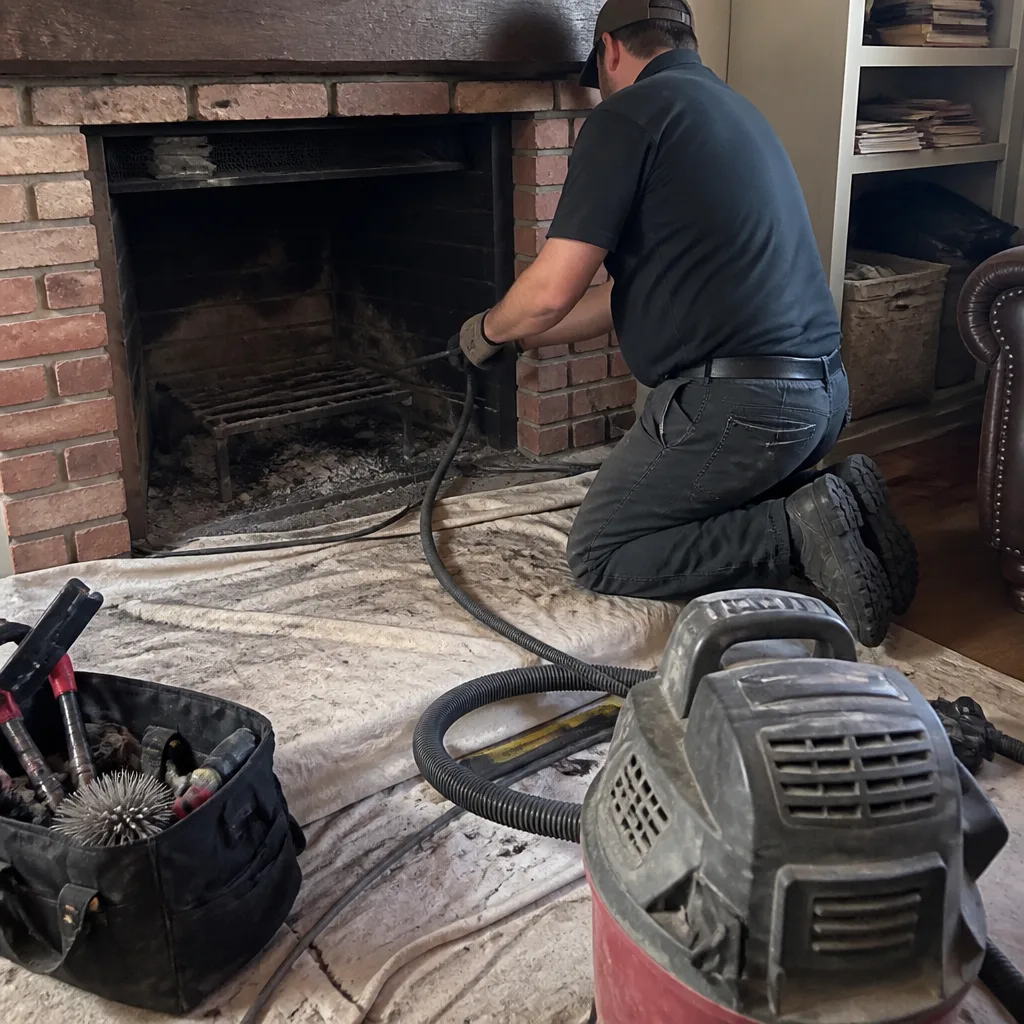 Before
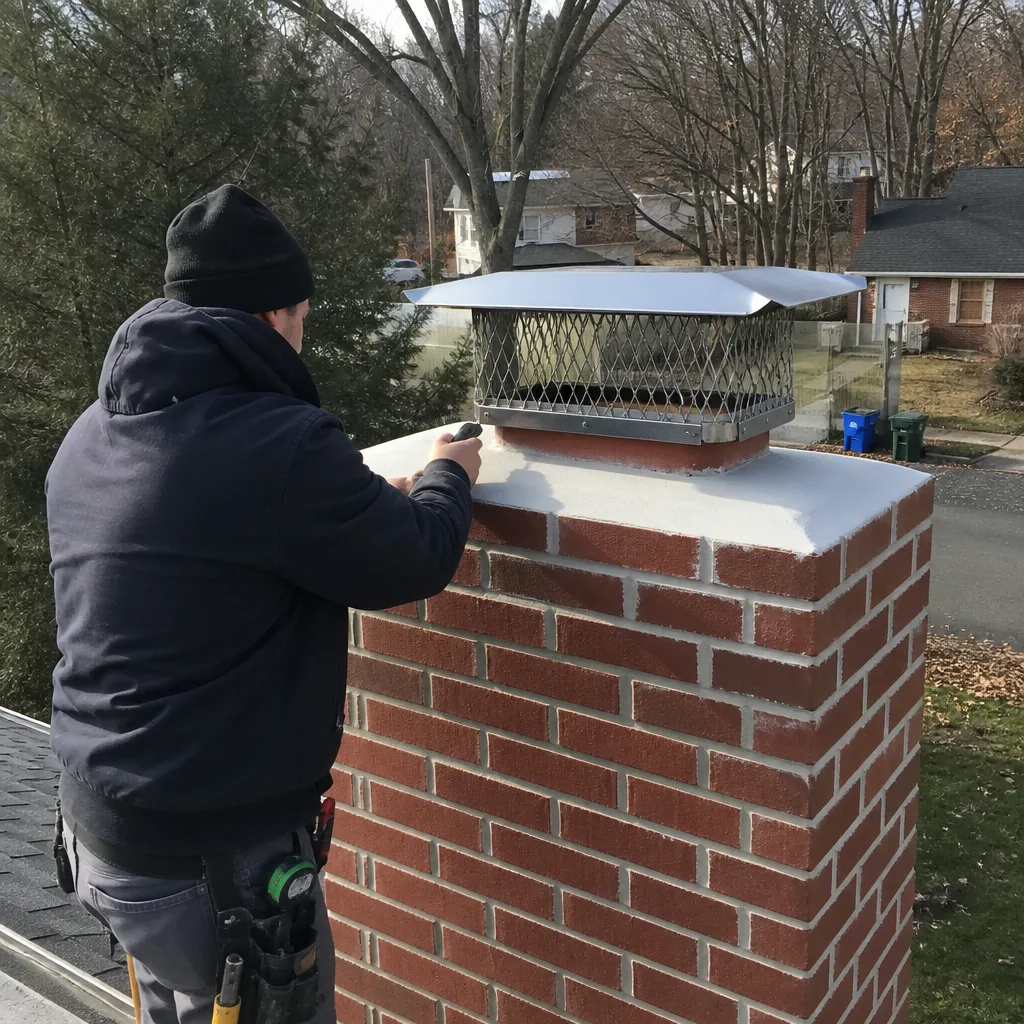 After
AfterThe Complete Guide to Chimney Cleaning in Roanoke
The CSIA estimates that chimney fires cause over $125 million in property damage annually. Here’s what troubles us: the majority occur in chimneys that were “cleaned” within the past 12 months. The brush went up, the soot came down, and the homeowner got a receipt. But no one looked at the liner with a camera. No one checked the smoke chamber for creosote glazing. No one documented what they found. In Roanoke, where oak and hickory fires burn hot and deposit a stubborn, tar-like creosote that standard brushes skim past, cleaning without a documented inspection is like changing your oil without checking the filter. This guide explains what chimney cleaning actually means, what it should include, and how to know whether the job was done or merely performed.
Quick Answer
Professional chimney cleaning in Roanoke removes combustion byproducts, verifies structural integrity, and confirms proper draft performance through a Level 1 or Level 2 inspection with photo documentation - a process we detail in our How to Hire a Chimney Cleaning Contractor in Roanoke: A Step-by-Step Guide. A proper sweep takes 45-90 minutes, includes a camera examination of the flue liner, and ends with a written report. Hearthstone Chimney Co. charges $89 for our Seasonal Tune-Up, which includes the sweep, inspection, and documentation. Call (540) 787-3302 for scheduling.
Table of Contents
- The Three Problems Chimney Cleaning Actually Solves
- Why Roanoke’s Hardwood Burning Creates a Specific Creosote Problem
- Level 1, Level 2, and Level 3 Inspections: What the Codes Mean in Plain English
- What Photo Documentation Should Actually Show
- How Roanoke’s Humidity and Wildfire Smoke Accelerate Liner Deterioration
- What a Written Warranty Covers Versus What Disclaimers Exclude
- What Happens During a Professional Chimney Sweep
- Chimney Cleaning Cost in Roanoke: What to Expect
The Three Problems Chimney Cleaning Actually Solves
Most homeowners in Roanoke think of chimney cleaning as one task. We see three distinct problems, each requiring different tools and different expertise. Miss any one of them, and you’ve paid for a performance, not a solution.
Problem One: Combustion Byproduct Removal
Wood burns incompletely. The smoke that rises carries unburned hydrocarbons that condense on the cooler flue walls as creosote. This is the basic sweep: brushes, rods, and vacuums to remove the buildup. But creosote comes in three stages. Stage 1 is flaky and brushes off easily. Stage 2 is glazed and tar-like, requiring specialized chains or chemical treatment. Stage 3 is hardened and can require replacement of the liner itself. In Roanoke, where oak and hickory are the dominant fireplace fuels, Stage 2 glazing is what we encounter most often. Standard poly brushes glide over it. The chimney looks clean. It isn’t.
Problem Two: Structural Integrity
A flue liner with a hairline crack, a smoke chamber with eroded mortar, or a crown with water intrusion can all function while failing. The fire still draws. The smoke still rises. But the system is compromised. Carbon monoxide can seep through liner cracks into living spaces. Masonry moisture can freeze and expand, opening gaps further. Only a camera inspection reveals these conditions. We document them with photos you can see, explained in plain English. Chimney repair in Roanoke often starts with what a proper cleaning should have found.
Problem Three: Draft Performance
A chimney can be clean and intact yet still fail to draw properly. Negative pressure from modern HVAC systems, improper flue sizing, or external obstructions all affect performance. We check draft with a manometer during our inspection. A reading outside the proper range means the system is unsafe to use even if everything else looks fine.
Why Roanoke’s Hardwood Burning Creates a Specific Creosote Problem
The firewood culture in Roanoke favors dense hardwoods. Oak and hickory dominate because they burn long and hot, and they’re readily available from the surrounding Appalachian hardwood forests. But this fuel choice creates a creosote profile that differs from regions where softwoods or manufactured logs are common.
Dense hardwoods burn at higher temperatures when properly seasoned and given adequate air. When they don’t - when the damper is throttled overnight, when the wood is slightly green, when the fire is banked to “hold” until morning - the smoke cools too quickly in the flue. The result is Stage 2 glazed creosote: a hard, shiny, black deposit that standard brushing won’t remove.
In neighborhoods like Grandin and Wasena, where older homes have masonry fireplaces built before modern airtight construction, this problem is compounded. The chimneys were designed for drafty houses. Seal the windows, add insulation, and the neutral pressure plane shifts. The fireplace competes with the furnace for house air. Fires smolder. Glazing builds.
We’ve found Stage 2 deposits more than a quarter-inch thick in chimney cleaning appointments where the homeowner had swept annually with a hardware-store brush kit. The brush touched the surface. The glaze remained. A proper sweep requires chains, whips, or chemical treatment - tools and training beyond what a homeowner or cut-rate service typically possesses.
Key Takeaways:
- Roanoke’s oak and hickory fires produce Stage 2 glazed creosote more often than softwood regions
- Standard brushes cannot remove glazed deposits - specialized equipment is required
- Older homes in Grandin, Wasena, and similar neighborhoods face compounded draft issues
- Annual “cleaning” with inadequate tools creates a false sense of safety
Level 1, Level 2, and Level 3 Inspections: What the Codes Mean in Plain English
The National Fire Protection Association Standard 211 defines three inspection levels. Most homeowners never hear these terms until something goes wrong. Here’s what they actually mean for your home in Roanoke.
Level 1 Inspection
This is the minimum for annual maintenance when no changes have been made to the system. The technician examines readily accessible portions of the chimney exterior, interior, and connections. No tools are used to open or remove components. A Level 1 assumes the chimney is performing as it has in the past. It’s appropriate for routine sweeps on systems with no known problems, no changes in fuel or appliance, and no transfer of property.
Level 2 Inspection
Required when any of these conditions apply: you’ve changed appliances or fuel types; you’ve had a chimney fire or other malfunction; you’re selling or transferring the property; or structural damage has occurred (earthquake, windstorm, lightning strike). A Level 2 includes everything in Level 1 plus examination of accessible attics, crawl spaces, and basements, and - critically - a video scan of the flue interior. At Hearthstone Chimney Co. home, our Level 2 camera inspections end with photos you can see and a plain-English verdict. No jargon, no hand-waving, just documented facts.
Level 3 Inspection
This is invasive. It requires removal of building materials - drywall, chimney surrounds, exterior masonry - to access concealed areas where serious hazards are suspected. A Level 3 is not a maintenance procedure. It’s a diagnostic step when a Level 2 reveals evidence of hidden damage that must be located and assessed. We recommend Level 3 only when necessary, and we explain exactly why in each case.
When Each Applies in Roanoke:
- Annual maintenance, no changes, no problems: Level 1 with sweep
- Buying a home in South Roanoke or Cave Spring: Level 2 before closing
- Chimney fire, lightning strike, or earthquake: Level 2 minimum, Level 3 if damage is suspected but hidden
- Installing a new insert or changing from wood to gas: Level 2
- Visible leaning, major cracks, or water damage: Level 2 to start, Level 3 if concealment is likely
What Photo Documentation Should Actually Show
A verbal report from a chimney sweep is worth the paper it’s printed on. We insist on photo documentation because we’ve seen too many homeowners pay for “clean” chimneys that were anything but. Here’s what a proper report should include, and why each image matters.
Before and After Firebox
The firebox is where the fire lives. Photos should show the condition of the refractory panels or brick, the condition of the grate and ash dump, and any soot or creosote accumulation on the walls. After photos confirm the space was actually cleaned, not just tidied.
Flue Liner Close-Up
This is where the critical examination happens. The camera should travel the full length of the flue, capturing the liner material (clay tile, stainless steel, or cast-in-place), joint condition, and any cracks, gaps, or spalling. In Roanoke, where humidity cycles accelerate freeze-thaw damage, clay tile liners often show spalling at the joints before obvious cracking appears. A close-up catches what a glance misses.
Smoke Chamber
The smoke chamber is the area above the damper and below the flue. It’s often the most neglected space in a chimney, and it’s critical for proper draft. NFPA 211 requires parging (smoothing) of corbeled brick in the smoke chamber, yet many older Roanoke homes have rough, exposed brick that creates turbulence and creosote traps. A photo reveals whether this condition exists and whether it’s been addressed.
Crown and Cap From Above
Water is a chimney’s enemy, and the crown is its first defense. Photos should show crown condition, cap installation, and any deterioration that could allow moisture intrusion. We use professional-grade materials from Olympia Chimney and Famco for cap and crown work because builder-grade products fail prematurely in our climate.
Damper Operation
A photo or short video of the damper opening and closing confirms it seals properly when closed and opens fully when needed. A damper that won’t seal costs you heating dollars. One that won’t open risks smoke spillage.
Verbal-only reports allow sweeps to claim they “checked everything” while documenting nothing. Photos create accountability. At Hearthstone, every Level 2 inspection produces a dated, photo-annotated report that we keep on file. If you have a question six months later, we can show you exactly what we saw.
How Roanoke’s Humidity and Wildfire Smoke Accelerate Liner Deterioration
Chimney liners in Roanoke face environmental stresses that liners in drier climates do not. Understanding these stresses explains why inspection frequency and repair timing matter here specifically.
Humidity and Freeze-Thaw Cycling
Roanoke averages 41 inches of precipitation annually, with humidity remaining elevated through much of the year. Moisture penetrates masonry through crown cracks, deteriorated mortar joints, or unlined flue walls. When temperatures drop below freezing - common from December through February - the water expands. Each cycle widens cracks and flakes surface material. Clay tile liners are especially vulnerable; we’ve replaced liners in homes near Mill Mountain and in the Grandin Village area where decades of moisture intrusion reduced tile thickness by half.
Stainless steel liners, such as those we install from DuraFlex, resist this damage but are not immune. Corrosion can occur at joints or where condensate collects, particularly in gas appliance flues where acidic moisture is present. Our inspections check for these specific failure modes.
Wildfire Smoke Exposure
p>Recent years have brought increased wildfire smoke to the Roanoke Valley, drifting from fires in the western United States and, more locally, from regional forest management burns. This smoke carries fine particulate matter that settles in chimney flues, mixing with existing creosote to form more acidic deposits. The chemical profile of wildfire smoke differs from residential wood smoke; it contains more incomplete combustion products and can accelerate corrosion of metal liners while contributing to faster buildup in masonry flues.
After significant smoke events, we’ve noted accelerated glazing in chimneys that previously maintained normal buildup rates. This doesn’t change our basic recommendation - annual inspection and cleaning as needed - but it does mean that “as needed” may come sooner for some systems.
Interior Condensation
Modern home sealing creates another Roanoke-specific issue. Tight construction in newer developments like Clearbrook and Hunting Hills reduces natural air exchange. Warm, moist interior air finds its way into the chimney chase, condensing on the cooler liner surface during non-burning months. This sustained moisture exposure, absent in drafty older homes, promotes corrosion and masonry deterioration year-round.
What a Written Warranty Covers Versus What Disclaimers Exclude
The chimney service industry is crowded with verbal promises and written disclaimers. Understanding the difference protects you from paying twice for the same problem.
What Standard Disclaimers Typically Exclude
Most sweep services operate with limited liability language that excludes: damage caused by “unforeseen” conditions; problems arising after the service is complete; and any consequential damage from chimney use. Some disclaimers explicitly state that the sweep is not responsible for determining structural soundness - remarkable, given that structural soundness is precisely what you’re paying them to assess.
These disclaimers are legal protection for the company, not assurance for the homeowner. They mean the sweep can miss a cracked liner, you can have a fire or CO incident, and the company bears no responsibility.
What the 90-Day Done Right Promise Covers
Our 90-Day Done Right Promise is different. It’s in writing, with no arguing. If our work is not right, we make it right. This applies to the sweep itself - if we miss glazed creosote that should have been removed, we return and remove it. It applies to our inspection findings - if we clear a system that subsequently fails due to a condition we should have identified, we address it. It applies to our installations and repairs under the same terms.
The Promise is governed by our K.E.Y.S. values: Krafted right, Every time, Your home first, Standing behind it. These aren’t poster slogans. They’re the standard by which we judge our own work, and the standard we invite our customers to hold us to.
Manufacturer Warranties on Materials
Professional-grade materials carry meaningful warranties. Copperfield and DuraFlex stainless steel liners include limited lifetime warranties when properly installed. HeatShield cerfractory flue resurfacing carries a 20-year warranty. These warranties transfer to you and are documented in your service record. Builder-grade or unbranded materials often carry no transferable warranty, or one so limited as to be meaningless.
When comparing chimney services in Roanoke, ask specifically: Is your work guaranteed in writing? For how long? What does “done right” mean, and who decides? A company that plans to be in town in thirty more years answers these questions directly.
What Happens During a Professional Chimney Sweep
Knowing what to expect lets you evaluate whether the service you received matches what you paid for, and you can find more guides & resources on our blog to help. Here’s our process at Hearthstone Chimney Co., step by step.
- Arrival and protection. Our technician arrives in a marked vehicle, in uniform, with identification. Floor coverings protect your hearth area and any path to the chimney. We inspect the work area before touching anything, noting pre-existing conditions.
- Exterior examination. We check the chimney crown, cap, flashing, and visible masonry from the roof or ladder. This happens before interior work because it establishes the context - a damaged crown means we expect interior moisture damage.
- Interior setup and damper inspection. The fireplace or appliance area is sealed with a vacuum-connected containment system. We inspect and operate the damper, noting any sticking, incomplete closure, or damage.
- Sweeping. We select brushes, chains, or whips based on the flue type and deposit condition identified during initial examination. For Roanoke’s typical Stage 2 glazed creosote, we often use a combination of rotary chains and poly whips, followed by HEPA vacuum extraction. The process takes 30-60 minutes for a standard fireplace flue.
- Camera inspection. A high-resolution camera travels the full flue length, capturing images of the liner, joints, and any obstructions or damage. We also camera the smoke chamber when accessible. You see these images in real time if you’re present, and they’re included in your written report.
- Draft and function testing. We verify proper draft using appropriate measurement tools. We check for spillage at the firebox opening. We confirm damper operation one final time.
- Cleanup and documentation. The work area is restored to condition - often cleaner than we found it. You receive a written report with photos, findings, and any recommendations. If repair work is needed, we explain what, why, and in what priority. Nothing is recommended without camera evidence you can see for yourself.
- Scheduling and follow-up. We note your next recommended service date. Our records are permanent; if you call in three years, we can reference your prior report.
Most jobs are completed in a single visit. Our fireplace services in Roanoke follow the same thorough protocol.
Chimney Cleaning Cost in Roanoke: What to Expect
Pricing for chimney cleaning in Roanoke varies based on service depth, accessibility, and condition. Here’s what the market looks like and what our pricing includes.
Typical Price Ranges
| Service | Price Range | What’s Included |
|---|---|---|
| Basic sweep with Level 1 inspection | $129 – $199 | Brush cleaning, visual exam, basic report |
| Sweep with Level 2 camera inspection | $199 – $349 | Full cleaning, video scan, photo documentation, written findings |
| Glazed creosote removal (chemical treatment) | $150 – $400 additional | Specialized application, follow-up sweep, verification scan |
| Chimney cap installation | $250 – $600 | Professional-grade cap, proper fit, installation |
| Fireplace insert cleaning | $159 – $249 | Appliance-specific cleaning, gasket check, draft test |
Our $89 Seasonal Tune-Up is a standing offer that includes the sweep, Level 1 inspection, and basic documentation. For systems that haven’t been inspected in several years, or for real estate transactions, we recommend the full Level 2 service at standard rates.
What Affects Your Specific Cost
- Flue accessibility: Chimneys with tight clearances or unusual configurations take longer
- Deposit severity: Heavy Stage 2 or Stage 3 creosote requires additional time and specialized treatment
- Height and roof access: Multi-story chimneys or steep roofs require additional safety equipment and time
- Repairs needed: Identified issues are quoted separately with upfront pricing - the number on the estimate is the number on the invoice
We also offer $50 off any repair over $250, a free second opinion on any written estimate, and a permanent 5% senior and veteran discount. These are our only standing promotions; we don’t inflate prices to create fake “savings.”
Call (540) 787-3302 for an exact quote - estimates are free.
Common Mistakes to Avoid
- Hiring based on lowest price alone. In Roanoke, we’ve corrected work from cut-rate sweeps who brushed the visible soot and missed glazed creosote above the smoke shelf. The chimney looked clean. It wasn’t. The cost of fixing their omission exceeded what a proper sweep would have cost.
- Accepting a verbal report. Without photos, you have no evidence of what was found or whether anything was found at all. Insist on dated, annotated images of the flue liner, smoke chamber, and crown.
- Skipping inspection after a chimney fire. Even a small fire can crack clay tile liners or damage mortar joints. A Level 2 inspection is mandatory, not optional, before the next use.
- Assuming gas fireplaces need no service. Gas flues accumulate corrosive condensate and can suffer liner deterioration. They require inspection, though cleaning frequency is typically less than wood-burning systems.
- Ignoring moisture stains on interior walls near the chimney. These indicate crown or flashing failure. In Roanoke’s humid climate, water damage accelerates rapidly. Delay turns a cap replacement into a liner replacement into a rebuild.
- Using unseasoned wood to “save money.” Green oak or hickory produces massive creosote buildup, negating any fuel savings with increased sweep costs and fire risk. Properly seasoned wood burns cleaner and safer.
- Waiting for visible problems before calling. By the time you see staining, smell smoke, or notice draft issues, damage is established. Annual inspection catches conditions before they become expensive emergencies.
When to Call a Professional
Call a certified chimney professional when: you haven’t had an inspection in over 12 months; you notice any smoke spillage into the room; you see moisture stains, white efflorescence, or crumbling mortar on exterior masonry; you hear dripping inside the flue; you’ve changed appliances or fuel types; you’re buying or selling a home; or you’ve experienced a chimney fire, lightning strike, or earthquake. In any of these scenarios, operating the system before inspection risks property damage, carbon monoxide exposure, or fire.
Hearthstone Chimney Co. offers free estimates in Roanoke. A live person answers our phones 24 hours a day, 7 days a week - not a voicemail, not a callback queue. Our technicians are background-checked, uniformed, and complete most jobs in a single visit. Call (540) 787-3302 to schedule.
Frequently Asked Questions
A professional chimney sweep in Roanoke typically costs between $129 and $349 depending on whether a basic Level 1 or full Level 2 camera inspection is included. Hearthstone Chimney Co. offers a $89 Seasonal Tune-Up that includes the sweep, inspection, and documentation. Call (540) 787-3302 for an exact quote - estimates are free.
The National Fire Protection Association recommends annual inspection, with cleaning as needed based on deposit accumulation. In Roanoke, where oak and hickory burning produces Stage 2 glazed creosote, most wood-burning systems need annual sweeping. Gas systems typically require inspection every 1-2 years with less frequent cleaning. Call (540) 787-3302 to schedule - we’ll assess your specific system and usage.
You need a new liner when the existing one is cracked, deteriorated, or improperly sized for your appliance - conditions that a Level 2 camera inspection reveals. We never recommend liner replacement without photo evidence you can see yourself, and we’ll tell you plainly when a condition can be monitored rather than immediately repaired. Our free second opinion offer applies if you’ve received a conflicting recommendation elsewhere. Call (540) 787-3302 to discuss your specific situation.
Skipped cleaning allows creosote to accumulate, increasing fire risk and potentially obstructing the flue. In Roanoke’s humid climate, moisture combined with acidic deposits accelerates liner deterioration. Carbon monoxide can seep through cracked liners. The cost of emergency repair or remediation far exceeds routine maintenance. Call (540) 787-3302 to schedule before burning season - the $89 Seasonal Tune-Up is far less expensive than the alternatives.
A sweep is the physical removal of deposits; an inspection is the systematic evaluation of the system’s condition. They often occur together but serve different purposes. A sweep without inspection confirms cleanliness but not safety. An inspection without sweep reveals problems but leaves hazardous deposits in place. Professional service in Roanoke should include both, documented with photos. Hearthstone Chimney Co. combines both in our standard appointments.
Homeowners can perform basic brush cleaning on accessible, straight flues with proper equipment. However, evaluating liner condition, identifying Stage 2 glazed creosote, and assessing structural integrity requires training, specialized cameras, and experience. In our 42 years of service, we’ve found that DIY cleaning often misses the actual hazards while creating false confidence. For the safety systems involved - high-temperature combustion, carbon monoxide containment, and structural fire protection - professional evaluation is the sound choice. Call (540) 787-3302 to discuss what’s appropriate for your situation.
The Bottom Line
Chimney cleaning in Roanoke is three problems solved with three sets of tools: combustion byproduct removal that addresses our region’s stubborn Stage 2 glazed creosote; structural integrity verification through documented camera inspection; and draft performance confirmation that accounts for modern home construction. A proper service produces photos you can see, a plain-English verdict you can understand, and a written guarantee you can enforce. Anything less is a performance, not a solution. We’ve been serving Roanoke and surrounding communities for over 42 years, and we plan to be here when your chimney needs us again. Done right - and we stand behind it.
Written by Russell Haines, Owner at Hearthstone Chimney Co., serving Roanoke since 2014.