
Last updated September 10, 2026
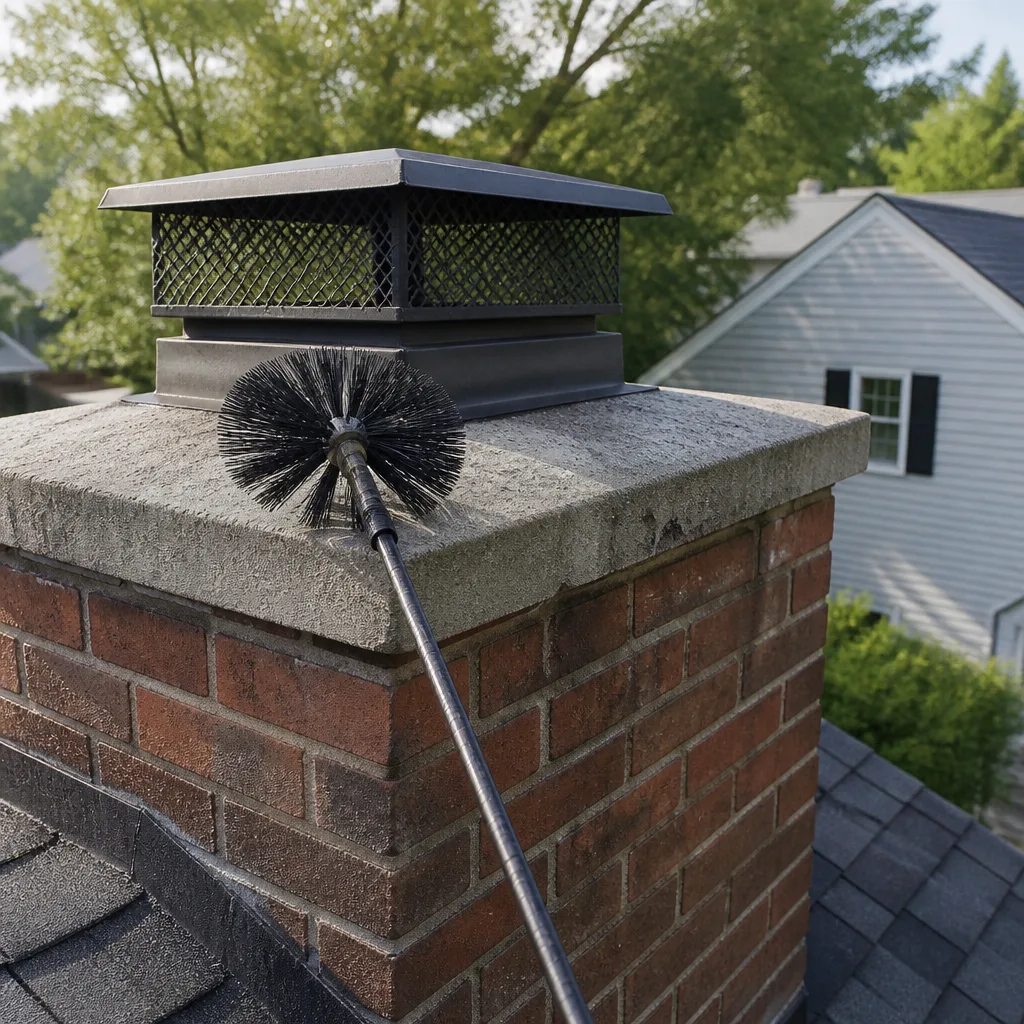
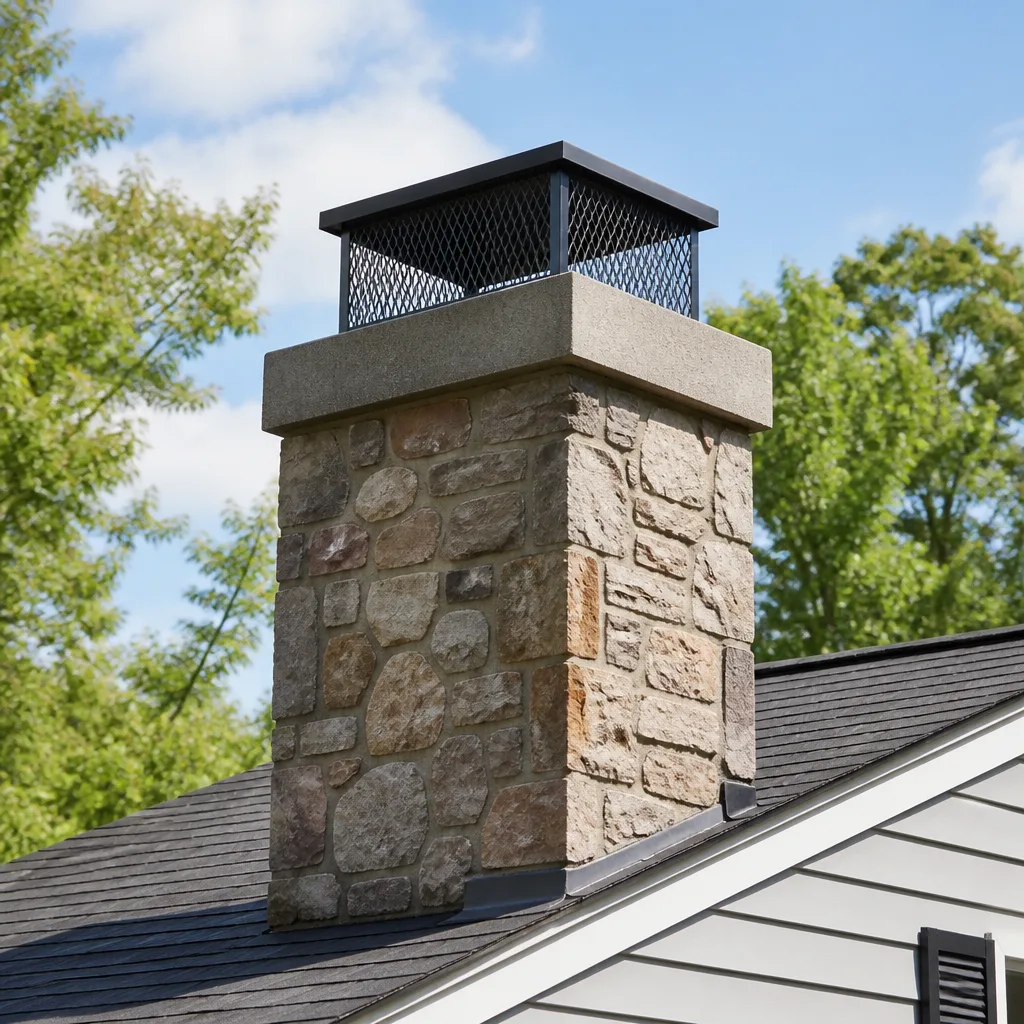
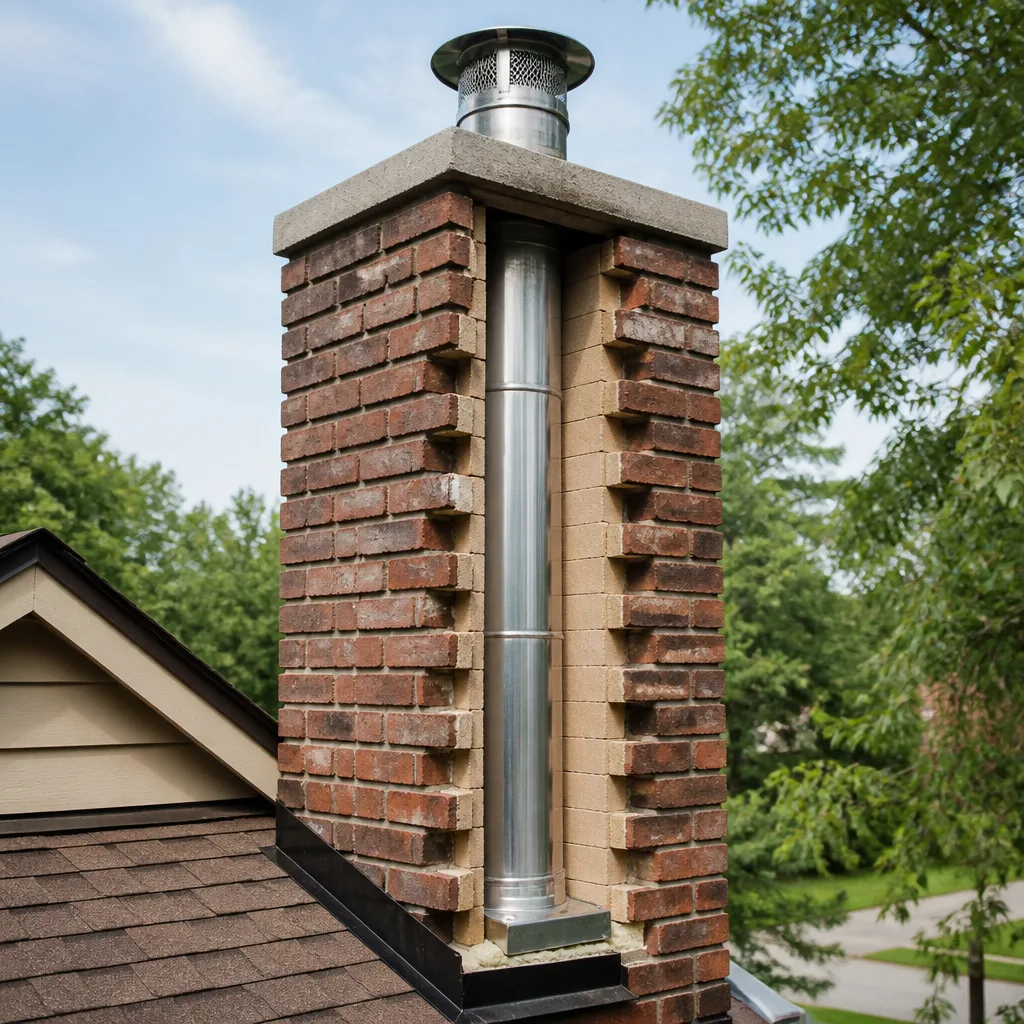
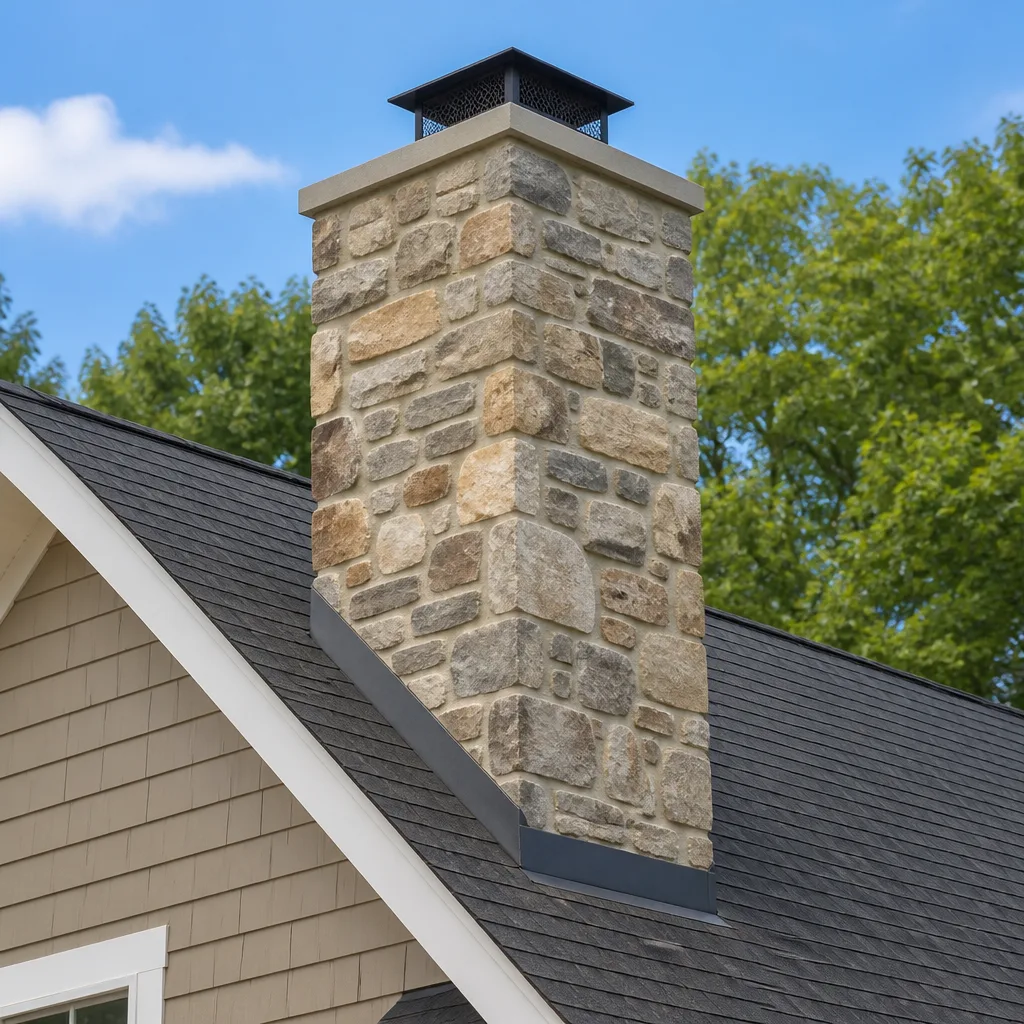
Level 1 sweep and inspection to the NFPA 211 annual standard - flue, crown, cap, and flashing checked and photographed
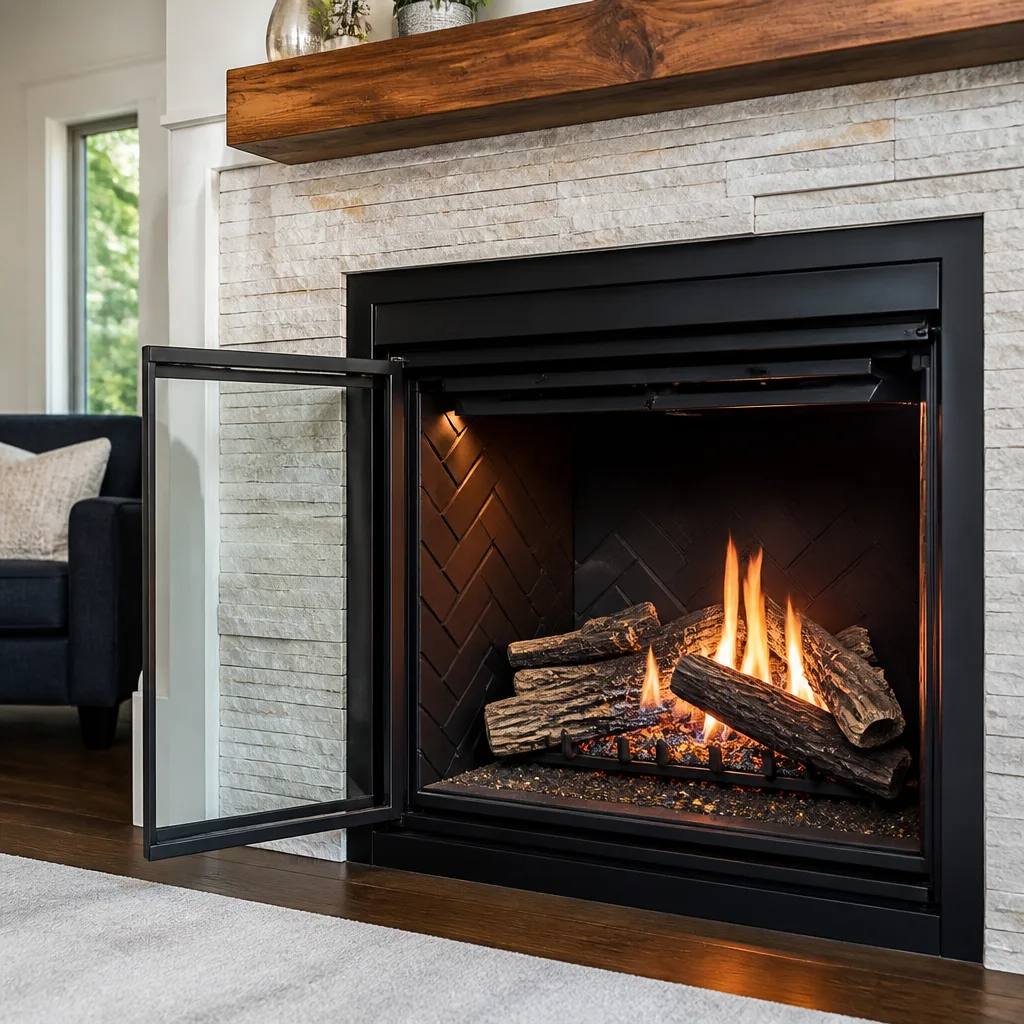
Chimney sweep logs do not sweep chimneys. They loosen some creosote - which then falls where a brush and vacuum still have to collect it.
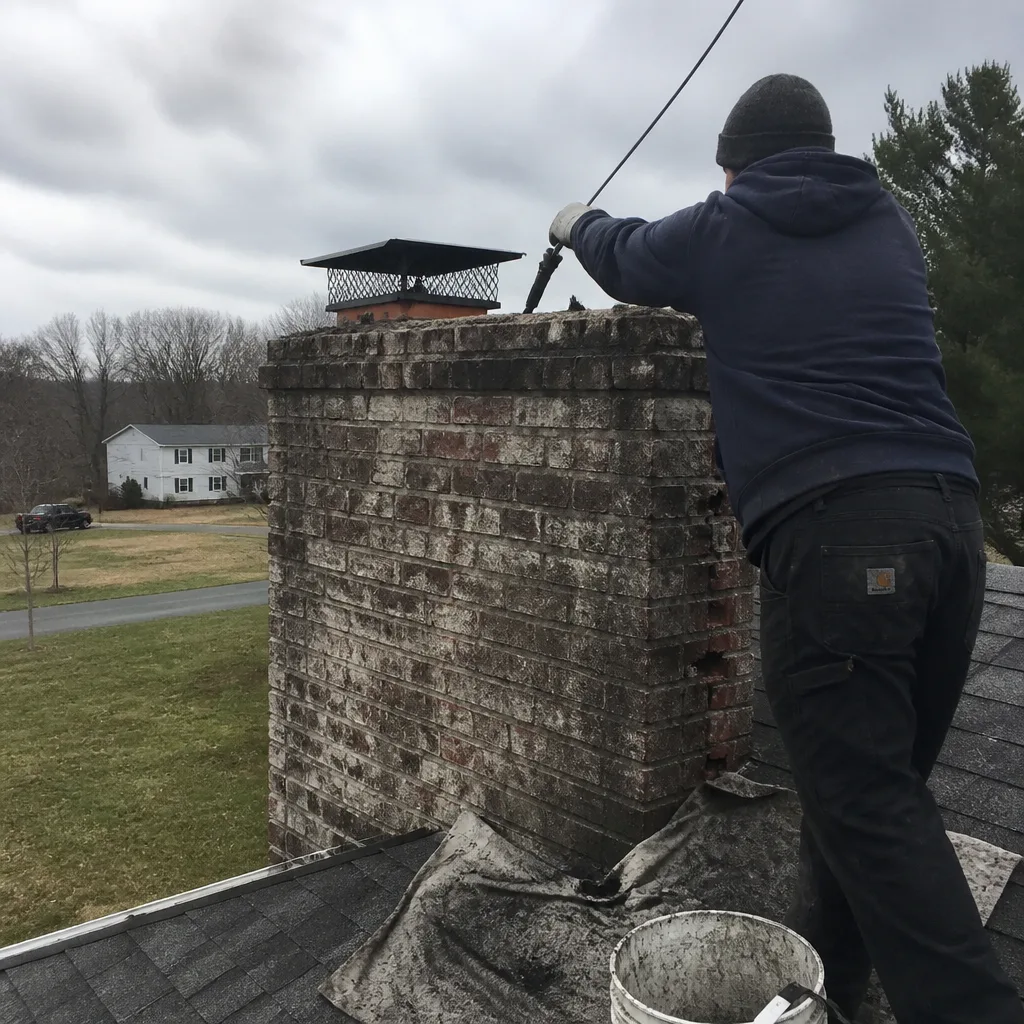 Before
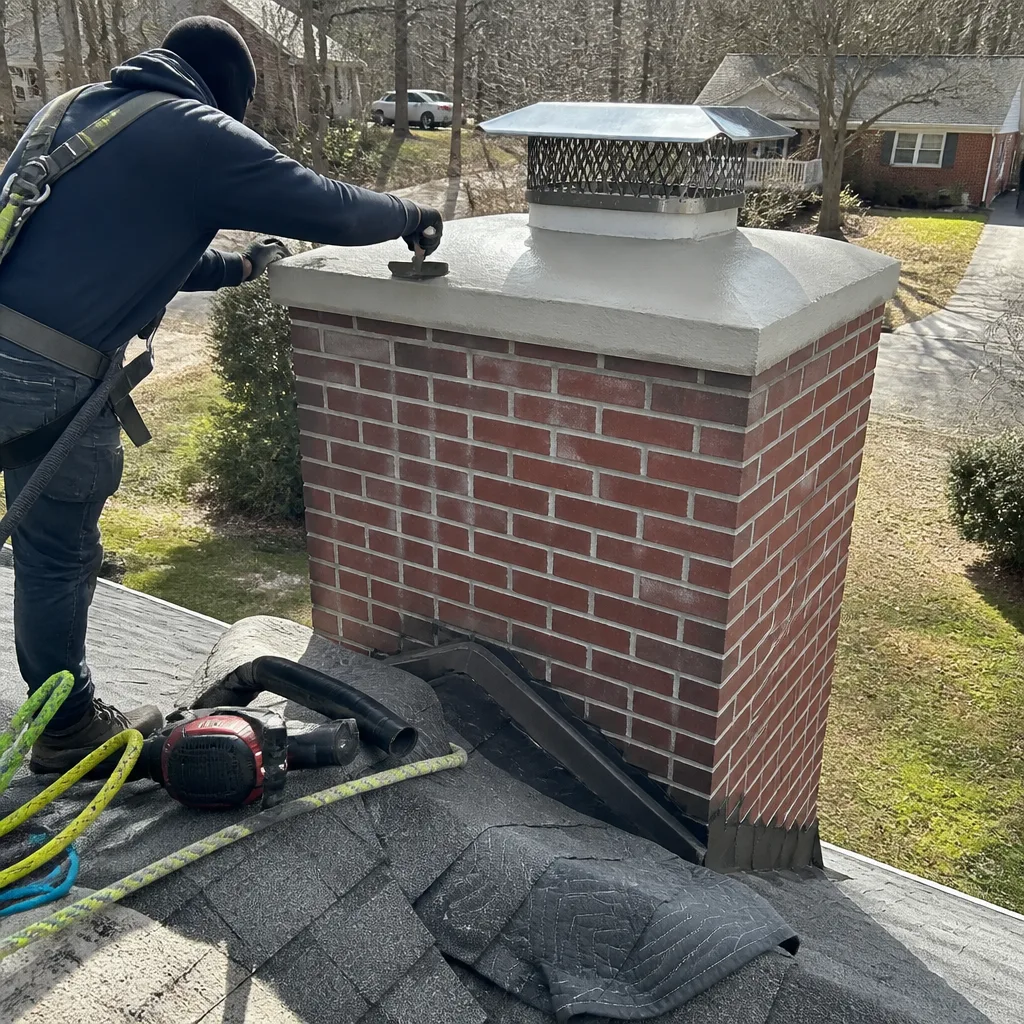 After
After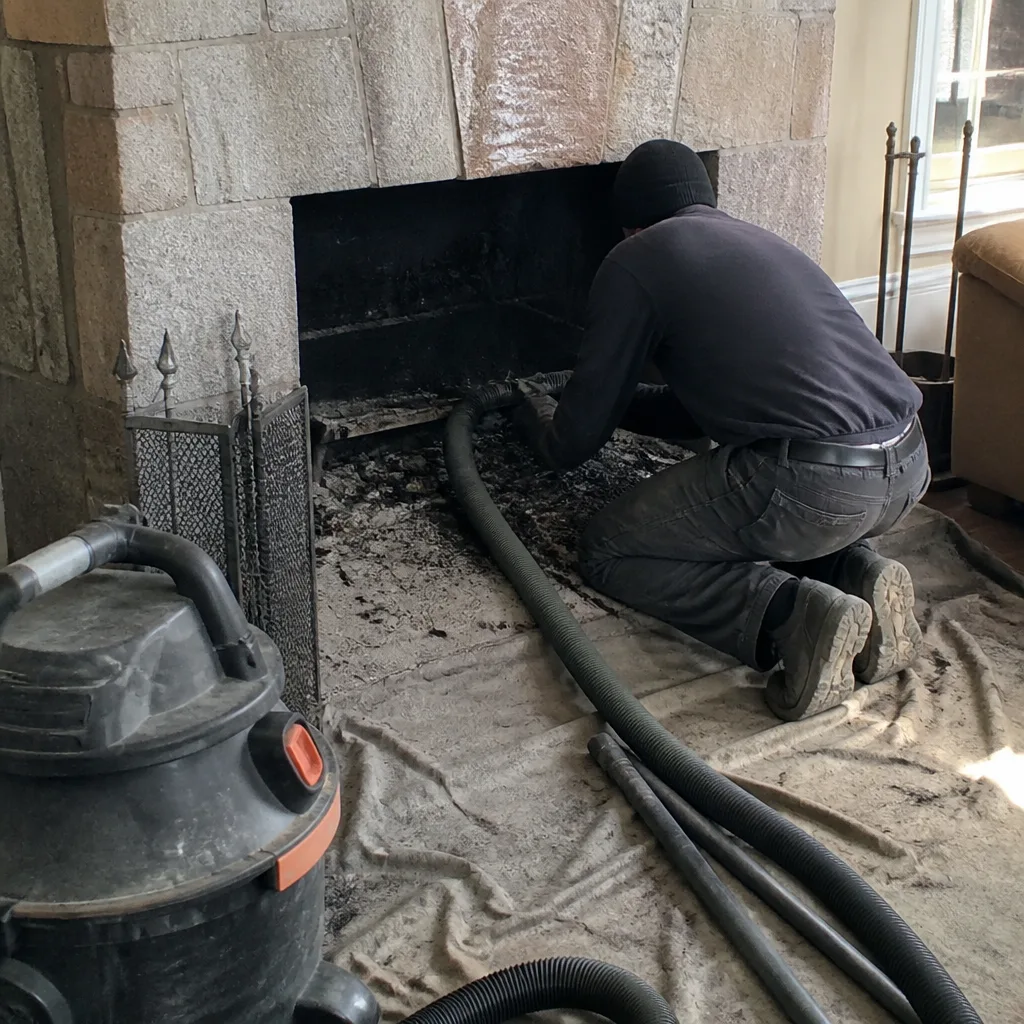 Before
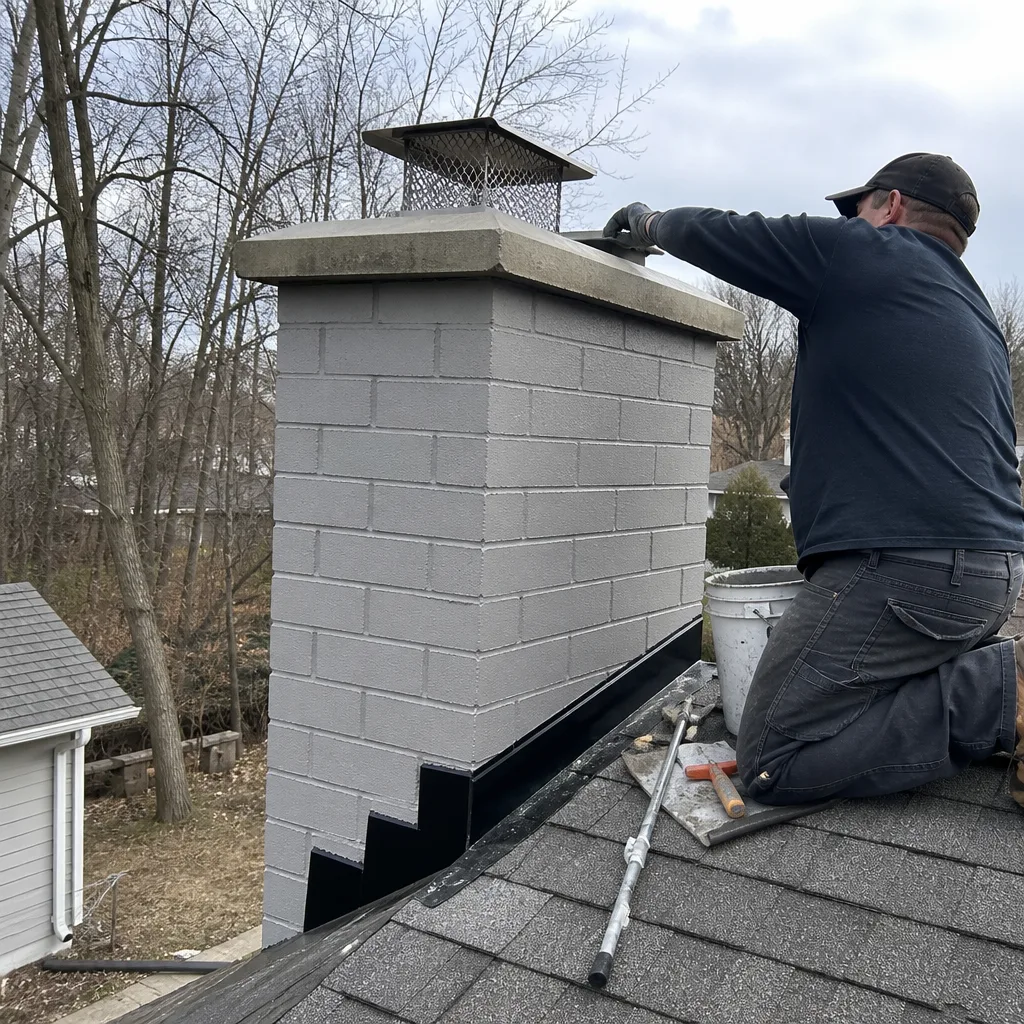 After
After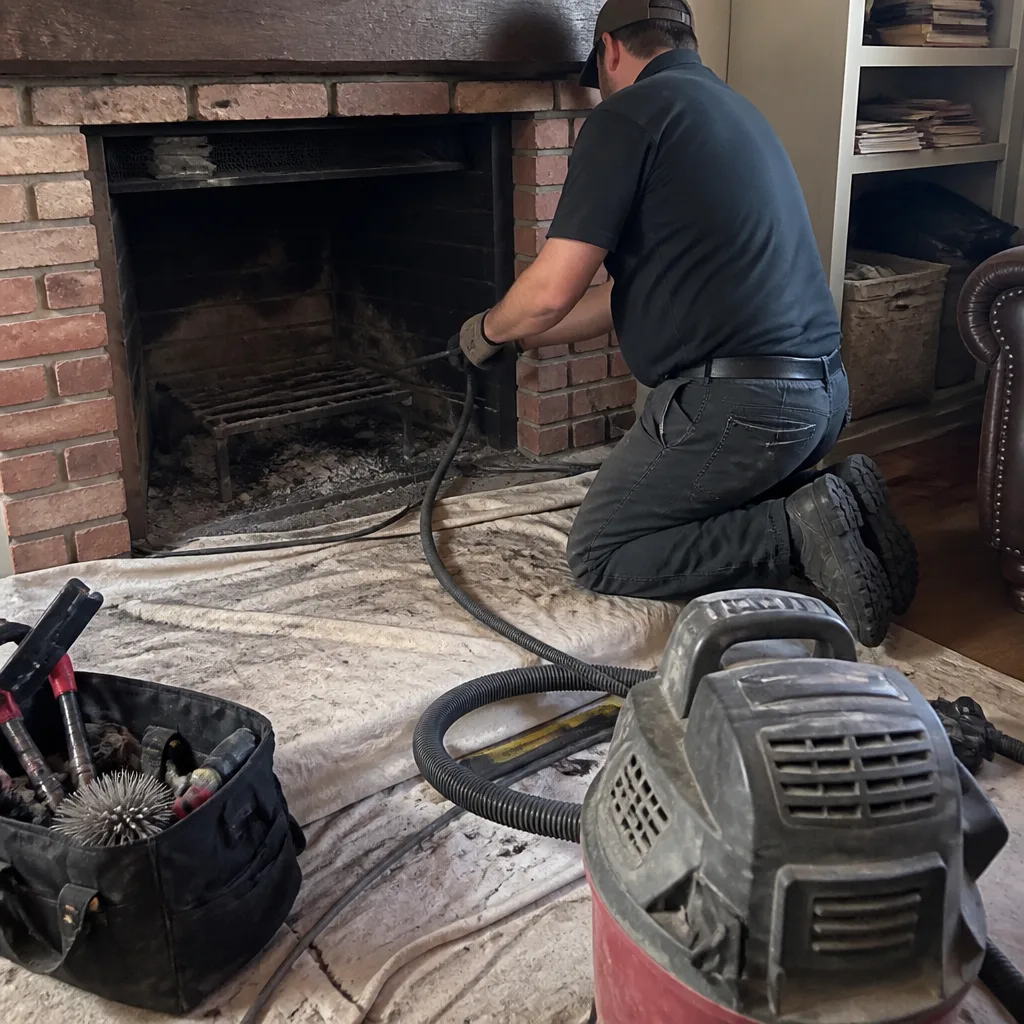 Before
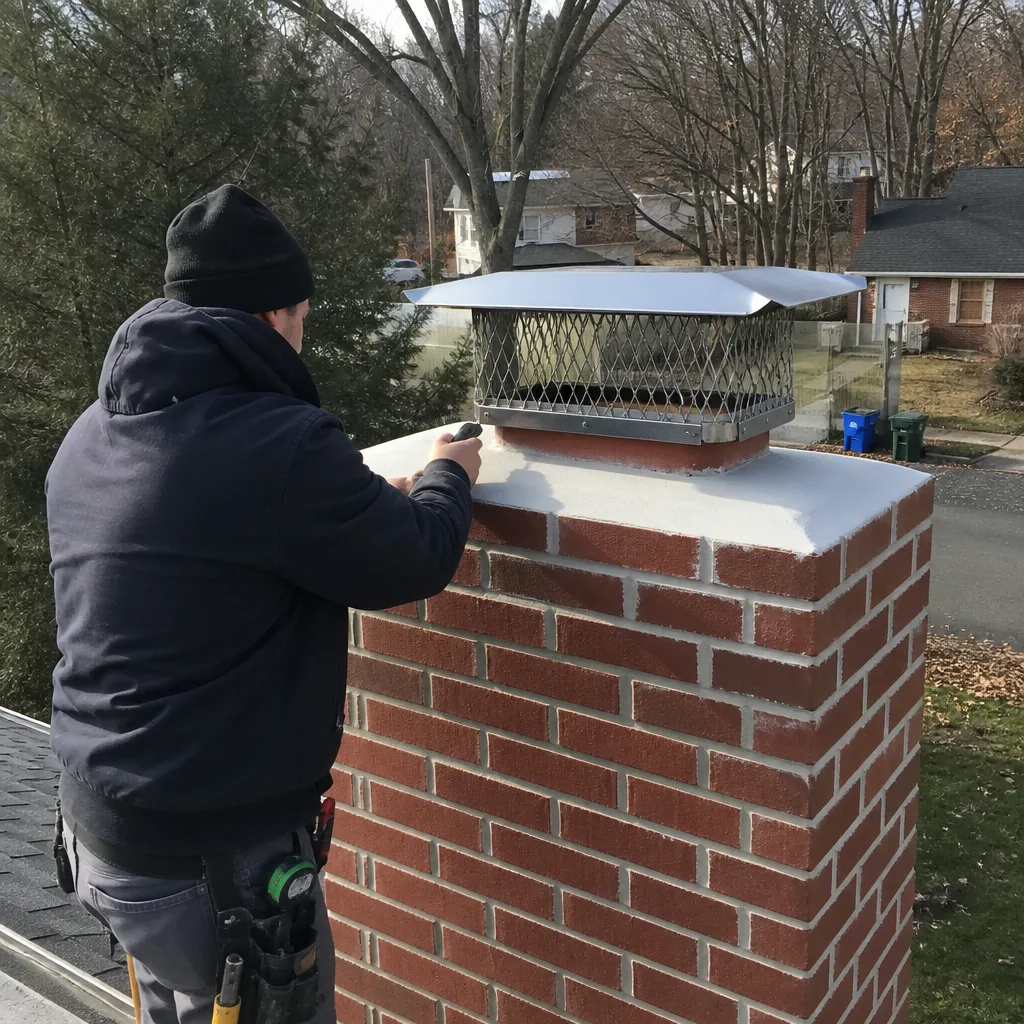 After
AfterSeasonal Chimney Cleaning Care for Roanoke: Year-Round Homeowner’s Guide
The worst time to schedule a chimney cleaning in Roanoke is October. Every other homeowner has the same idea, lead times stretch to three weeks, and anything wrong with your flue goes unfixed until December. Meanwhile, the chimney damage that matters most, the moisture intrusion and masonry fatigue from spring rains and summer humidity, has already been working on your stack for six months. In our 42 years serving this valley, we’ve learned that homeowners who treat chimney care as a once-a-year fall event are already behind by the time the first cold front arrives. This guide maps what to do, when to do it, and why Roanoke’s four distinct seasons demand four distinct responses. For more guides & resources, visit our blog.
Quick Answer
Roanoke homeowners should schedule their annual chimney sweep in late July or August, not October, to catch moisture damage before heating season and avoid the fall booking rush. Before you book, review Chimney Cleaning Permits, Codes & Inspections in VA: What You Need to Know. Between sweeps, seasonal tasks include spring animal guard checks, summer mortar inspections, early-fall creosote assessments, and mid-winter draft monitoring during extended cold snaps. Year-round care protects against the Blue Ridge’s punishing freeze-thaw cycles, which degrade masonry faster than in flatland climates.
Table of Contents
- Why October Is the Wrong Month in Roanoke
- Spring Threats: Moisture, Nesting, and Hidden Damage
- Summer: The Inspection Window Most Homeowners Miss
- Fall Creosote Timing and the Pre-Heating Checklist
- Winter Monitoring During Extended Cold Snaps
- How Blue Ridge Freeze-Thaw Cycles Attack Roanoke Masonry
- Your 12-Month Roanoke Chimney Care Calendar
- Common Mistakes to Avoid
- When to Call a Professional
- Frequently Asked Questions
- The Bottom Line
Why October Is the Wrong Month in Roanoke
October feels right. The air turns crisp, the leaves in Wasena Park go amber, and lighting the first fire seems like the natural capstone to the season. But in practical terms, October is the worst possible time to discover your chimney needs work.
Here’s what happens: roughly 60% of Roanoke’s annual sweep requests land between October 15 and November 30. Reputable companies book solid. If your inspection reveals cracked flue tiles, a deteriorated crown, or creosote buildup requiring a second visit, you’re now scheduling repairs in December or January, when you’re already using the fireplace daily and the weather is least forgiving for exterior masonry work.
The smarter sequence is to complete your sweep and inspection in late July or August. At Hearthstone Chimney Co., we call this the “summer advantage”:
- Full moisture damage assessment. Spring in Roanoke brings 42 to 45 inches of annual rainfall concentrated in March through June. By August, any water intrusion from cracked crowns, failed flashing, or deteriorated mortar has had time to manifest. We can document it with our Level-2 camera inspection, show you photos, and schedule repairs in dry weather.
- No heating-season pressure. If liner work or crown rebuilding is needed, you’re not choosing between a cold house and a risky fire. The job gets done right, without the urgency tax.
- Off-peak scheduling flexibility. We can often book within a week in July. In October, that stretches to three. Your time matters.
- Early detection of animal nesting. Squirrels, raccoons, and chimney swifts are active through September. A summer inspection catches blockages before you light the first match.
The homeowners we see in August are the ones who never call us in a panic on the first freezing night. They’ve already handled it.
Spring Threats: Moisture, Nesting, and Hidden Damage
March through May in Roanoke is when your chimney takes the worst beating of the year, and it’s the season homeowners pay the least attention.
The Blue Ridge’s elevation creates a moisture trap. Warm, humid air from the Gulf pushes up against the mountains, cools, and drops rain. Roanoke receives more annual precipitation than Richmond or Virginia Beach, and that water finds every weakness in your chimney’s exterior. In neighborhoods like Grandin and Old Southwest, where many homes date to the 1920s through 1950s, we’ve seen original brick absorb so much spring moisture that freeze damage appears by the following winter even without a single crack visible in October.
Spring’s specific threats:
- Animal nesting. Chimney swifts return to Roanoke by mid-April. They’re federally protected; once they nest, you cannot legally disturb them until the young fledge in late August. A cap inspection in March prevents a summer of blocked flue.
- Flashing failure. Winter ice damming loosens step flashing where the chimney meets the roof. Spring rains exploit this gap, sending water into attic spaces and down interior flue walls. By the time you see a ceiling stain, the damage is extensive.
- Crown cracking from freeze-thaw. Even minor crown cracks from winter expand dramatically as water penetrates and freezes during late spring cold snaps. We document this with camera inspection; the photos show you exactly where water is entering.
- Foundation settling from saturated soils. In the clay-heavy soils of South Roanoke and Raleigh Court, prolonged spring wetness causes subtle chimney tilting. This stresses liner connections and creates gaps at the thimble.
What to do in spring: Walk the exterior after heavy rains. Look for white efflorescence on brick (mineral salts left by evaporating water), new mortar discoloration, or debris on the roof beneath the chimney. If you hear animal activity, call before April 15. After that, you’re waiting until fall.
Summer: The Inspection Window Most Homeowners Miss
June through August is when we do our best work, and when too few Roanoke homeowners think about their chimneys. The fireplace is cold. The roof is dry. The schedule is open. And the damage from spring is now visible if you know where to look.
Summer inspection priorities:
- Mortar joint assessment. Humidity above 70%, common in Roanoke July and August, accelerates lime leaching from mortar. Soft, crumbly joints that seemed acceptable in dry October may now need repointing. We check with a simple probe test and document with photos.
- Crown and cap integrity. Summer heat opens hairline cracks that winter cold closed. A properly built crown should shed water like a tent; if it’s flat or cracked, we rebuild with proper slope and overhang, using professional-grade materials from Copperfield and Famco.
- Liner condition after heating season. Forty-plus burns deposit acidic condensate on clay or stainless liners. Summer is when we evaluate whether that residue has begun etching or spalling the surface. Our camera reaches every flue segment; you see what we see.
- Damper and smoke chamber. Rusted throat dampers from winter moisture, creosote glazing in the smoke chamber, and deteriorated firebrick are all easier to address when you’re not depending on the fireplace for heat.
The $89 Seasonal Tune-Up we offer in summer covers the sweep, inspection, and photo documentation. It’s the same service as our fall appointments, but with the advantage of time and flexibility. Many of our long-term customers in Cave Spring and Hollins have been booking August sweeps for decades. They understand that chimney care is maintenance, not emergency response.
One more summer consideration: if you’re considering a gas insert or stove conversion, summer installation means it’s tested and ready before the first cold night. Our fireplace services in Roanoke include full consultations on efficiency upgrades, with no-hassle upfront pricing so the number on the estimate is the number on the invoice.
Fall Creosote Timing and the Pre-Heating Checklist
If you missed the summer window, early September is your last reasonable chance before the October rush. By October 1, our schedule at Hearthstone Chimney Co. typically carries a two-to-three-week backlog. The homeowners who call October 15 are often frustrated, and we understand why. But we don’t rush inspections, and we don’t skip camera work to fit more appointments in. Done right means done right.
For those who do schedule fall service, here’s the Chimney Cleaning & Sweep Maintenance Checklist for Roanoke Homeowners we complete:
- Sweep flue to remove all loose creosote and soot deposits
- Level-2 camera inspection of entire flue length, from firebox to crown
- Smoke chamber and firebox inspection for cracked or missing firebrick
- Damper operation and seal test
- Crown, cap, and flashing visual inspection from roof level
- Combustion air source verification (critical in tightly sealed modern homes)
- Plain-English written verdict with photos, recommendations prioritized by urgency
Creosote buildup varies dramatically by burning habits. In Roanoke, where many homeowners burn seasoned hardwood from local suppliers, a typical heating season deposits 1/8 to 1/4 inch of Stage 1 (sooty) creosote. But burning unseasoned wood, restricted air, or frequent smoldering fires can create Stage 3 (glazed) creosote in a single season. This is the hardened, tar-like deposit that cannot be removed with standard brushes and requires chemical treatment or rotary cleaning.
We evaluate creosote type during every sweep. If glazed deposits are present, we explain the cause, typically burning practices that can be adjusted, and schedule the appropriate removal method. No surprises on the bill. The estimate covers the work we specify.
Fall is also when we install chimney caps and animal guards for homeowners who deferred from spring. Our caps use mesh from Olympia Chimney and hardware from Famco, sized to exclude animals while maintaining proper draft. In Roanoke’s oak-heavy neighborhoods, like those near Mill Mountain, a cap also prevents leaf and acorn accumulation that can block the flue.
Winter Monitoring During Extended Cold Snaps
Some winters, Roanoke sees single-digit temperatures for a week straight. January 2014 brought consecutive nights below 10 degrees. When you’re burning continuously, you cannot simply stop and schedule an inspection. But you can monitor for warning signs that the system is degrading under load.
Warning signs during extended cold snaps:
- Smoke spillage at startup. A properly drafting chimney should clear smoke within 30 seconds of lighting. If smoke lingers in the firebox or enters the room, the flue may be partially blocked by creosote fallout, animal debris, or ice formation at the cap. This is a carbon monoxide risk. Reduce the fire and call for inspection.
- Odd odors. A strong, acrid smell when the fireplace is not in use suggests creosote overheating in a restricted flue. A musty odor indicates moisture intrusion, possibly from ice damming that has compromised flashing.
- Visible exterior changes. After thaw, check for new mortar cracks, displaced cap pieces, or white efflorescence that appeared during the freeze. The thermal shock of rapid heating against frozen masonry is severe in Roanoke’s older homes.
- Damper difficulty. If the throat damper becomes hard to open or close, heat warping or creosote buildup may be binding the mechanism. Forcing it can damage the frame. Use the fireplace minimally until repaired.
Critical safety note: never attempt to clean a flue or inspect a roof during winter conditions. Icy roofs, high winds at ridge height, and the physical demands of chimney work create genuine hazard. Our technicians are trained and equipped for winter conditions; homeowners should not be on their roofs in January.
If you must use the fireplace while awaiting service, burn hot, fast fires with seasoned hardwood and full air supply. This minimizes additional creosote deposition. Avoid overnight smoldering, which is when the most dangerous deposits form.
How Blue Ridge Freeze-Thaw Cycles Attack Roanoke Masonry
This section explains why chimney maintenance in Roanoke is not interchangeable with maintenance in flatland Virginia. The geography matters.
Roanoke sits at approximately 1,100 feet elevation in the Roanoke Valley, surrounded by ridges rising to 2,000 feet and higher. This bowl shape traps cold air and moisture in ways that intensify freeze-thaw cycling. On a typical March night, temperatures at valley floor may drop below freezing while ridges remain above. The next morning, valley fog lingers, keeping masonry surfaces wet as temperatures rise. That evening, freeze again. A single week in late winter can produce 15 to 20 complete freeze-thaw cycles.
Each cycle, water trapped in mortar joints and brick pores expands by about 9%. The pressure spalls brick faces, crumbles mortar, and opens crown cracks that become pathways for the next round of water. In flatland climates with more stable temperatures, a chimney might experience half as many cycles. Roanoke masonry ages faster, period.
We’ve documented the pattern across neighborhoods. In Raleigh Court, homes built with soft 1920s brick show accelerated spalling compared to similar-era construction in Lynchburg, 50 miles east and 400 feet lower. In South Roanoke, chimneys on north-facing slopes, where sun never fully dries the masonry, require repointing 20 to 30% sooner than south-facing equivalents.
The implication: annual inspection is not conservative in Roanoke. It’s necessary. And summer inspection is not early. It’s timely. By the time October homeowners discover freeze-thaw damage, that damage has been accumulating since March.
Our chimney repair in Roanoke addresses this specifically. We don’t just repoint; we evaluate the underlying moisture source. Crown rebuilds include proper drip edges and slope. Flashing replacements use step and counterflashing techniques appropriate for steep Blue Ridge pitches. And we document everything with photos, so you understand why the work is needed, not just that it is.
Your 12-Month Roanoke Chimney Care Calendar
Here’s the schedule we recommend, based on 42 years of watching what actually fails and when.
| Month | Task | Why This Month |
|---|---|---|
| January | Monitor during cold snaps; note any draft or odor changes | System under maximum load; early warning signs visible |
| February | Plan summer sweep; call to schedule August appointment | Beat the fall rush; lock preferred date |
| March | Exterior walk-around after heavy rains; check for efflorescence | Spring moisture begins; early damage visible |
| April | Cap and animal guard inspection; address before chimney swift season | Protected birds nest mid-April; prevention only window |
| May | Schedule any needed exterior repairs before summer humidity | Dry weather for mortar curing; contractor availability |
| June | Interior inspection of firebox and damper after heating season | Damage from winter use now visible; no heating dependency |
| July | Annual sweep and Level-2 inspection | Optimal timing: dry, flexible, pre-fall |
| August | Complete any repairs identified in July inspection | Repairs finished before first cold front |
| September | Final pre-heating check; test damper, verify wood supply is seasoned | Last chance before October booking surge |
| October | If not already done, schedule sweep immediately; expect delay | Rush season begins; availability limited |
| November | First fires: small, hot burns to cure any summer repairs | Gradual system warm-up reduces thermal shock |
| December | Normal use; monitor for any changes from prior year | Baseline established; deviations signal need for attention |
The homeowners who follow this calendar, particularly the July sweep and April cap check, experience fewer emergencies and lower lifetime chimney costs. It’s not complicated. It just requires thinking about your chimney when the weather makes you think about something else.
Common Mistakes to Avoid
- Waiting for October. The October rush creates delays, rushed work from overbooked companies, and the pressure to defer needed repairs until mid-winter. Schedule in summer. Your future self will thank you.
- Assuming no fireplace use means no maintenance. Gas fireplaces and even sealed wood stoves produce acidic condensate that degrades liners. And animals, moisture, and freeze-thaw affect unused chimneys exactly as they affect active ones.
- Hiring based on lowest price. In Roanoke’s competitive sweep market, some operators offer $59 specials that exclude camera inspection, roof access, or written documentation. You get what you pay for, and what you don’t see can cost thousands later.
- Ignoring Blue Ridge-specific conditions. Standard advice written for flatland climates underestimates Roanoke’s freeze-thaw severity and moisture load. Local experience matters.
- DIY cap installation. Wrong mesh size restricts draft; wrong material rusts in two seasons; improper fastening blows off in mountain wind gusts. We’ve replaced dozens of homeowner-installed caps that created more problems than they solved.
- Deferring crown repair. A cracked crown is not cosmetic. It’s the primary water entry point that destroys everything below it. Small crown repairs cost hundreds; rebuilt fireboxes and rotted framing cost thousands.
- Neglecting the second opinion. If another company recommends extensive liner work or rebuilding, our Free Second Opinion on any written estimate gives you documented photos and an independent verdict. No obligation.
When to Call a Professional
Call when you see smoke spillage, smell odd odors, notice new exterior damage, or cannot remember your last professional inspection. Call if you’re buying a home and the seller’s disclosure mentions “chimney serviced recently” without documentation. Call if your insurance company requests a Level-2 inspection, increasingly common in Roanoke’s older neighborhoods.
Hearthstone Chimney Co. offers free estimates in Roanoke. A live person answers every call, 24 hours a day, 7 days a week, not voicemail, not a callback queue. Our background-checked, uniformed technicians complete most jobs in a single visit, and we back every job with the 90-Day Done Right Promise in writing. Call (540) 787-3302 or visit our Hearthstone Chimney Co. home page to learn more about our full range of services.
Frequently Asked Questions
A standard chimney sweep and Level-2 inspection in Roanoke typically ranges from $150 to $300, depending on flue accessibility, creosote condition, and whether the inspection reveals conditions requiring documentation or repair recommendations. For a detailed breakdown, see our Chimney Cleaning Cost Breakdown: The Roanoke Homeowner’s Reference for 2026. Our $89 Seasonal Tune-Up, offered during summer months, includes the sweep and full inspection at a reduced rate. Call (540) 787-3302 for exact pricing on your specific chimney, estimates are free.
The National Fire Protection Association recommends annual inspection for all chimneys, and sweeping as needed based on creosote accumulation. In Roanoke, where the heating season runs November through March and many homeowners burn hardwood, annual sweeping is appropriate for moderate use. Heavy use, unseasoned wood, or gas appliance condensate may require more frequent service. We assess this during inspection and recommend intervals based on your actual burning habits, not a calendar default.
You need a new liner only if your existing liner is damaged, improperly sized, or absent, and only if that condition creates a safety hazard documented by camera inspection. We have seen competitors recommend liner replacement based on age alone, without evidence of failure. At Hearthstone Chimney Co., we show you photos of the actual condition, explain the specific hazard if present, and tell you plainly when work can safely wait. Our Free Second Opinion on any written estimate exists precisely because this recommendation is sometimes oversold.
Skipped maintenance leads to creosote accumulation, which increases chimney fire risk, and moisture intrusion, which destroys masonry from within. In Roanoke’s climate, we’ve seen neglected chimneys require complete rebuilds in 10 to 15 years that proper maintenance would have extended to 50 or more. Carbon monoxide exposure from blocked or degraded flues is the most serious risk, it’s odorless, invisible, and potentially fatal. The cost of annual inspection is modest compared to the cost of remediation or the consequences of failure.
We do not recommend DIY chimney cleaning. Proper sweep requires roof access for full inspection, specialized brushes sized to your flue, and camera equipment to evaluate conditions you cannot see from below. More critically, creosote assessment requires training: distinguishing benign soot from hazardous glazed deposits changes the cleaning method and safety implications. For the cost of equipment rental and your time, professional service with documented results is the better value. And for multi-story homes common in Grandin or Old Southwest, roof work is genuinely dangerous.
Roanoke’s valley elevation, surrounding ridges, and position in the Blue Ridge create more freeze-thaw cycles, heavier spring rainfall, and more persistent winter temperature inversions than lower-elevation cities. Masonry absorbs more moisture and experiences more expansion-contraction stress. This is not theoretical, we can show you side-by-side deterioration rates from our inspection records. Local climate demands local expertise and more attentive maintenance scheduling.
We work exclusively with professional-grade materials from industry-trusted manufacturers: DuraFlex for stainless steel liners, HeatShield for cerfractory flue resurfacing, Gelco for caps and accessories, Olympia Chimney for venting components, Famco for hardware and flashing, and Copperfield for specialty tools and supplies. We do not use builder-grade substitutes. The materials we install carry their own warranties, and our 90-Day Done Right Promise covers our workmanship. Done right, and we stand behind it.
The Bottom Line
Roanoke’s four seasons create four distinct chimney threats, and the homeowners who thrive are those who match maintenance to the calendar, not to their own convenience. Schedule your sweep in July or August. Check caps before April. Monitor during January cold snaps. Understand that Blue Ridge geography accelerates wear, and that local experience in diagnosing that wear matters. Chimney care is not urgent until it’s an emergency, and emergencies in January are expensive, uncomfortable, and avoidable. A square deal, no surprises on the bill, photos you can see, and a plain-English verdict: that’s what we deliver, because we’ll be here in thirty more years and we plan to earn your trust every single one.
Written by Russell Haines, Owner at Hearthstone Chimney Co., serving Roanoke since 2014.