
Last updated September 10, 2026
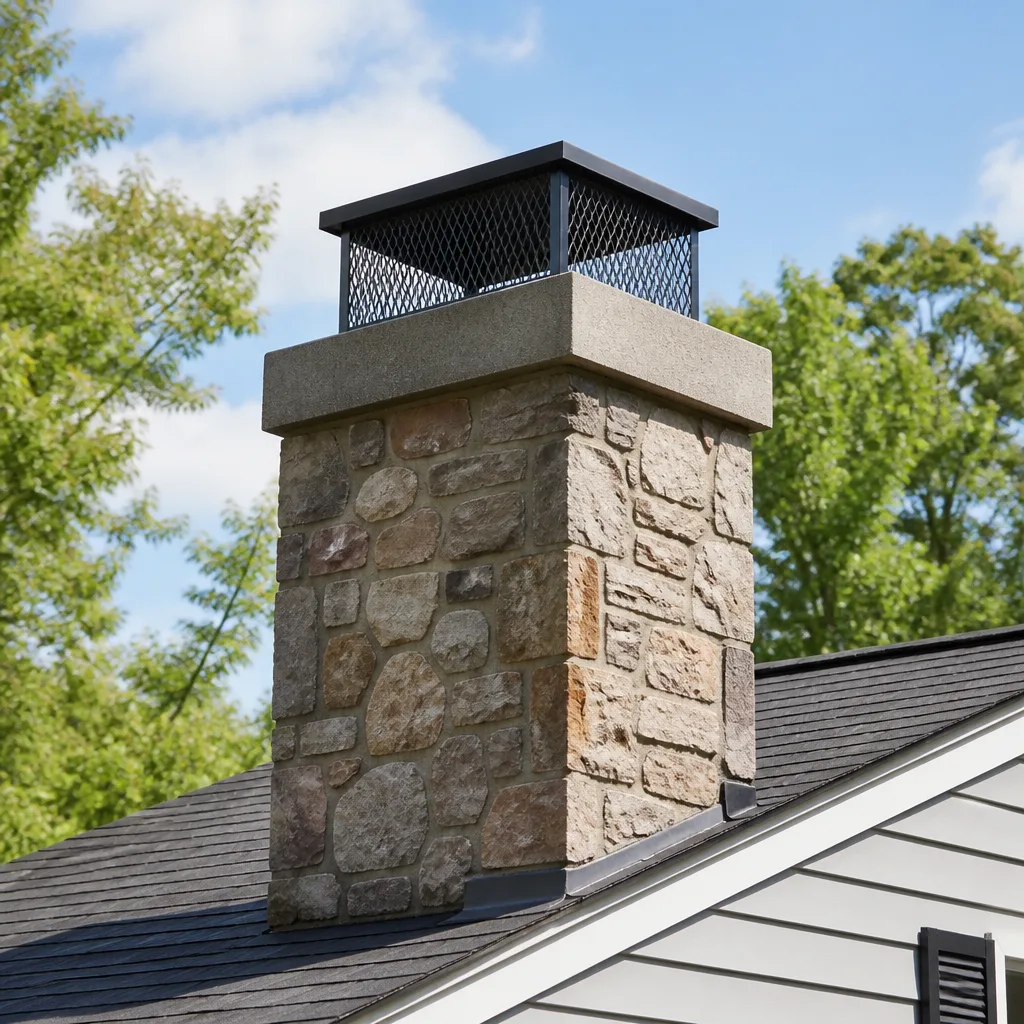
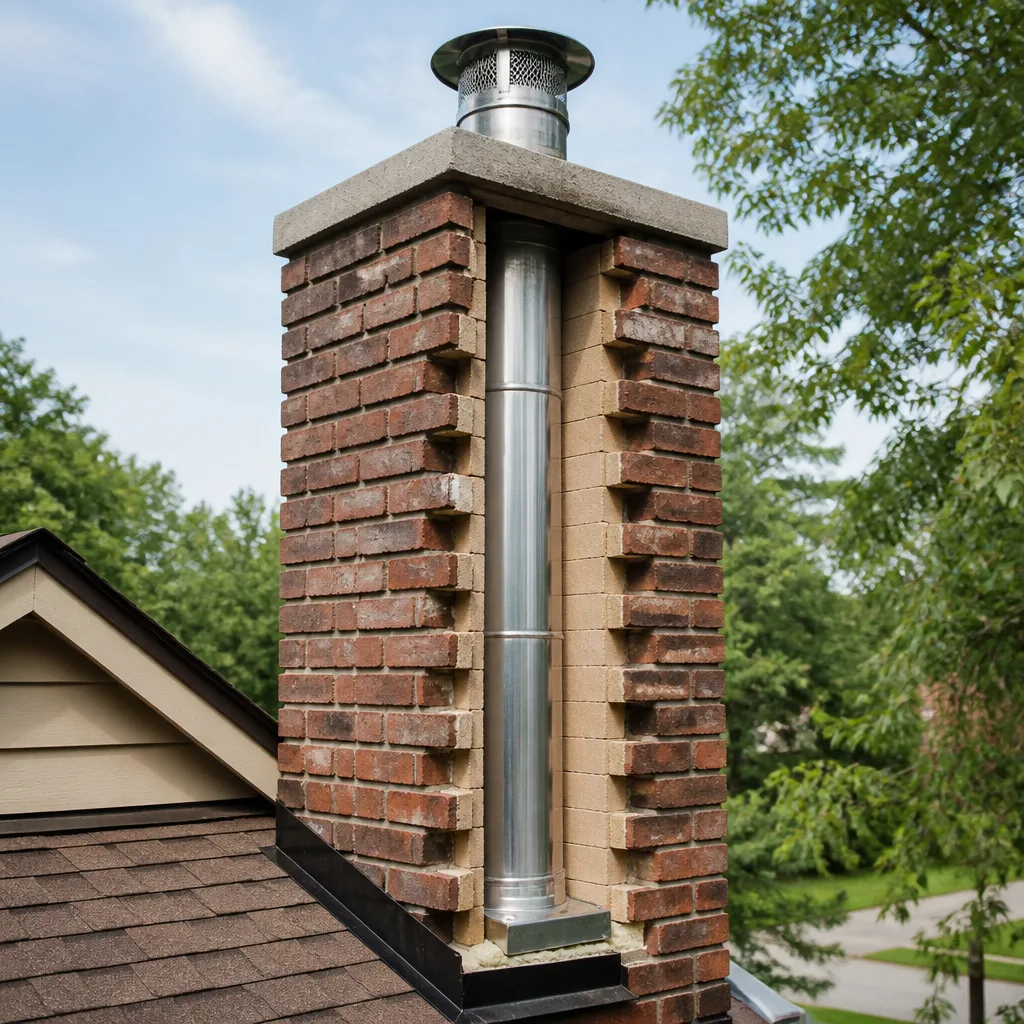
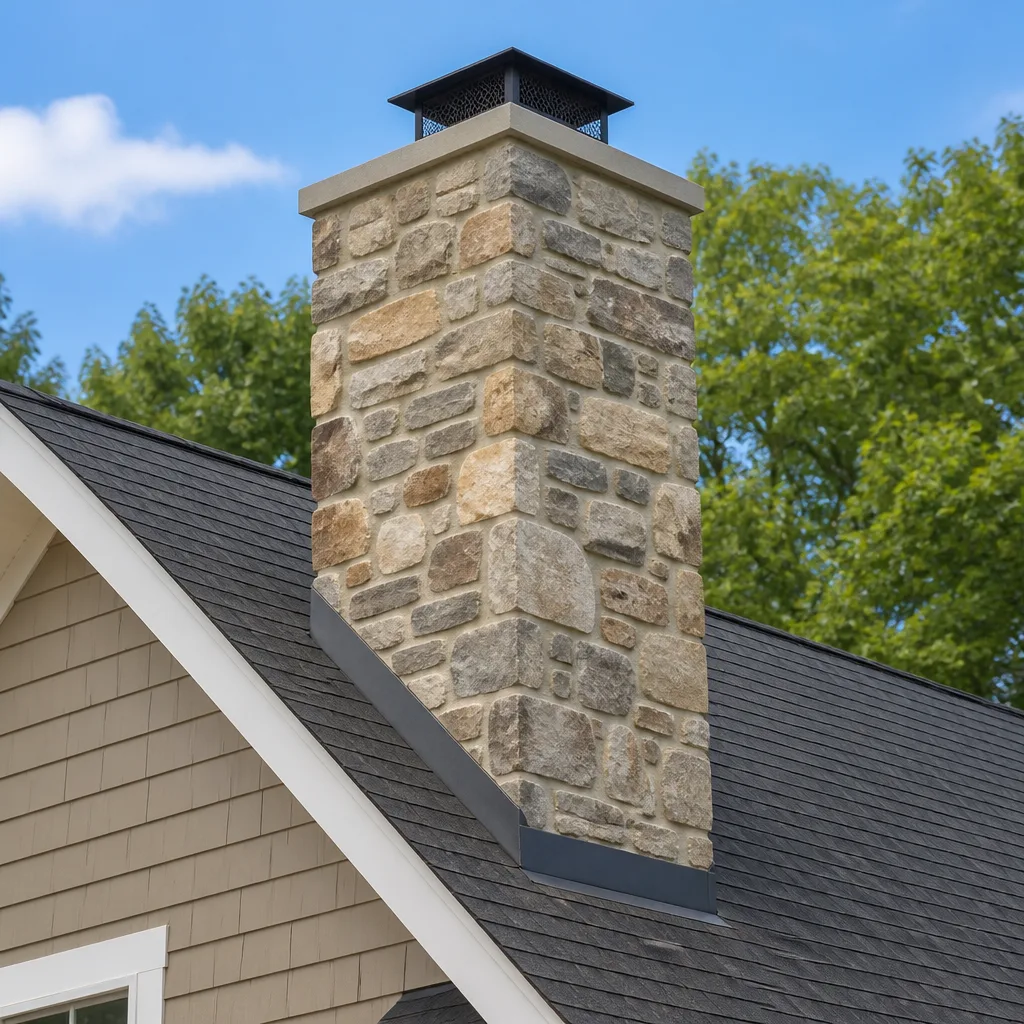
Level 1 sweep and inspection to the NFPA 211 annual standard - flue, crown, cap, and flashing checked and photographed
Chimney sweep logs do not sweep chimneys. They loosen some creosote - which then falls where a brush and vacuum still have to collect it.
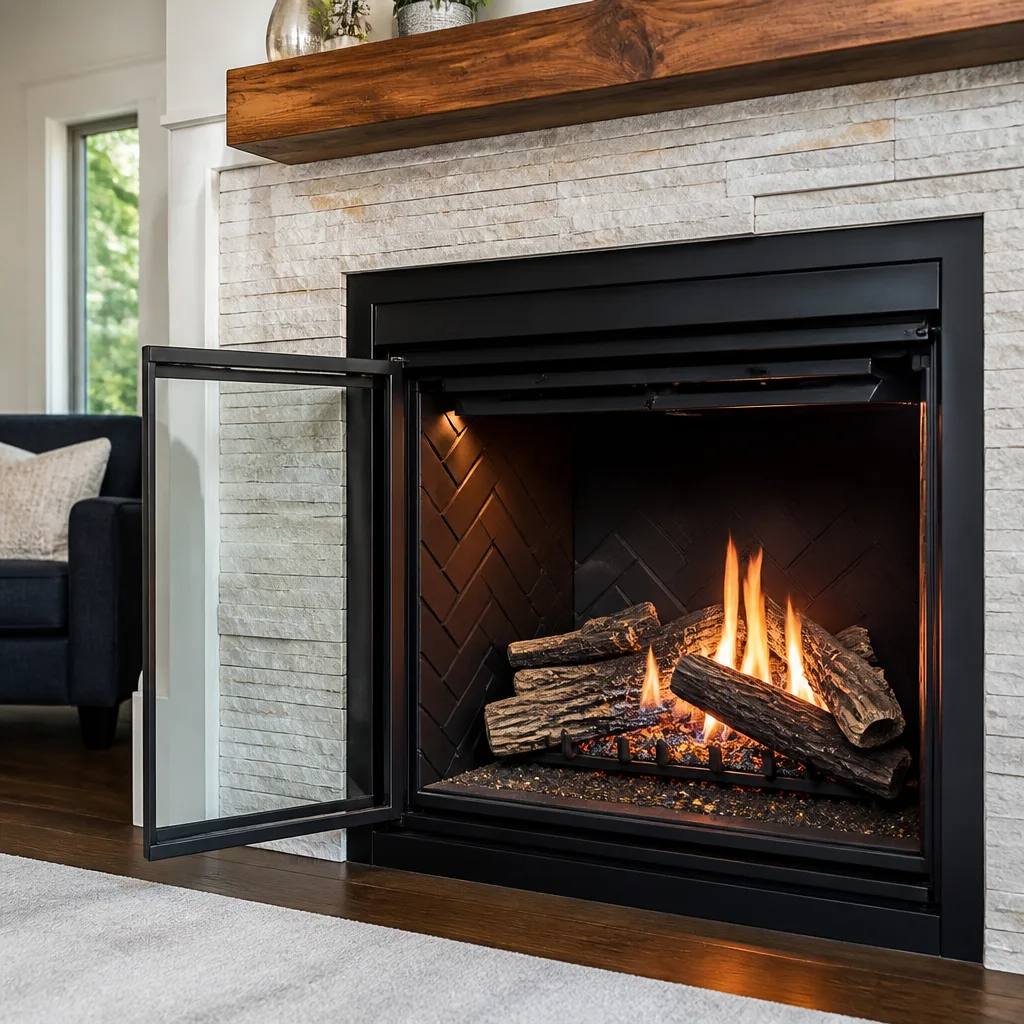
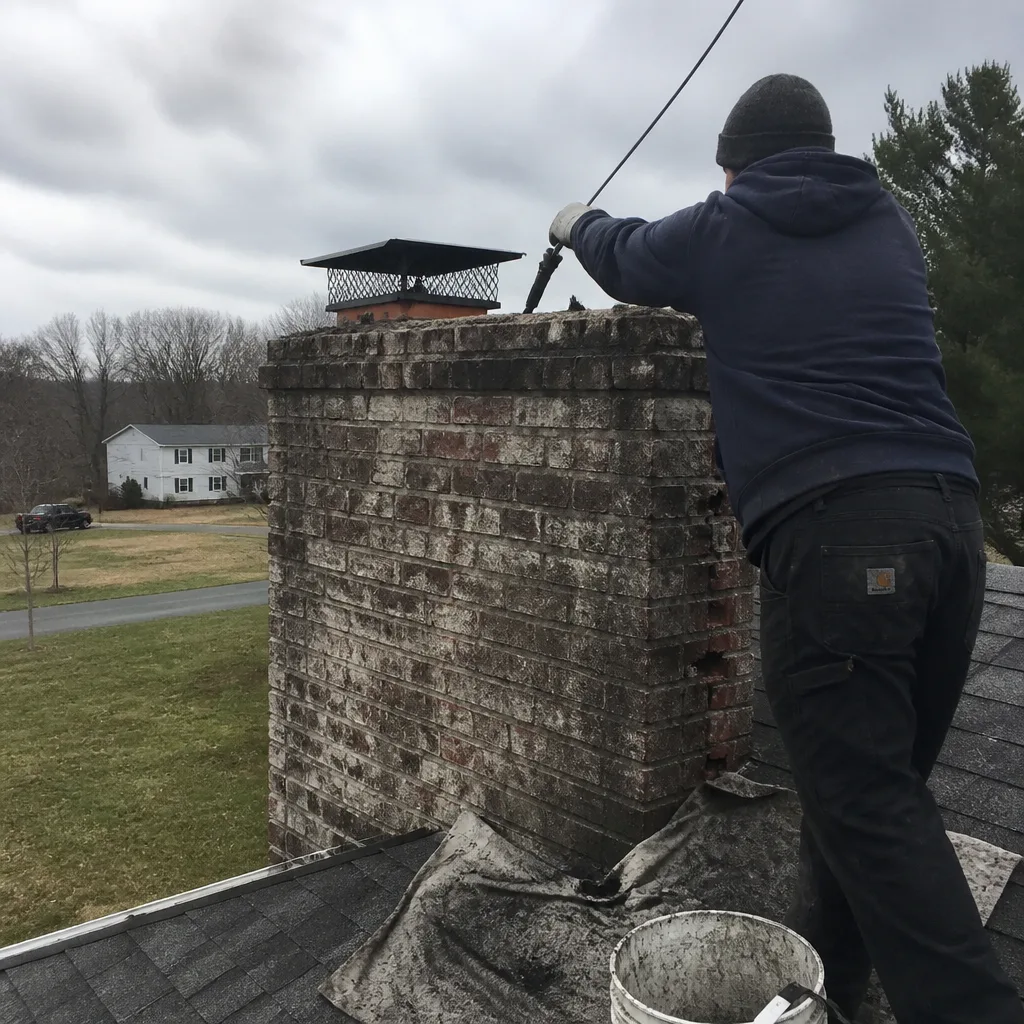 Before
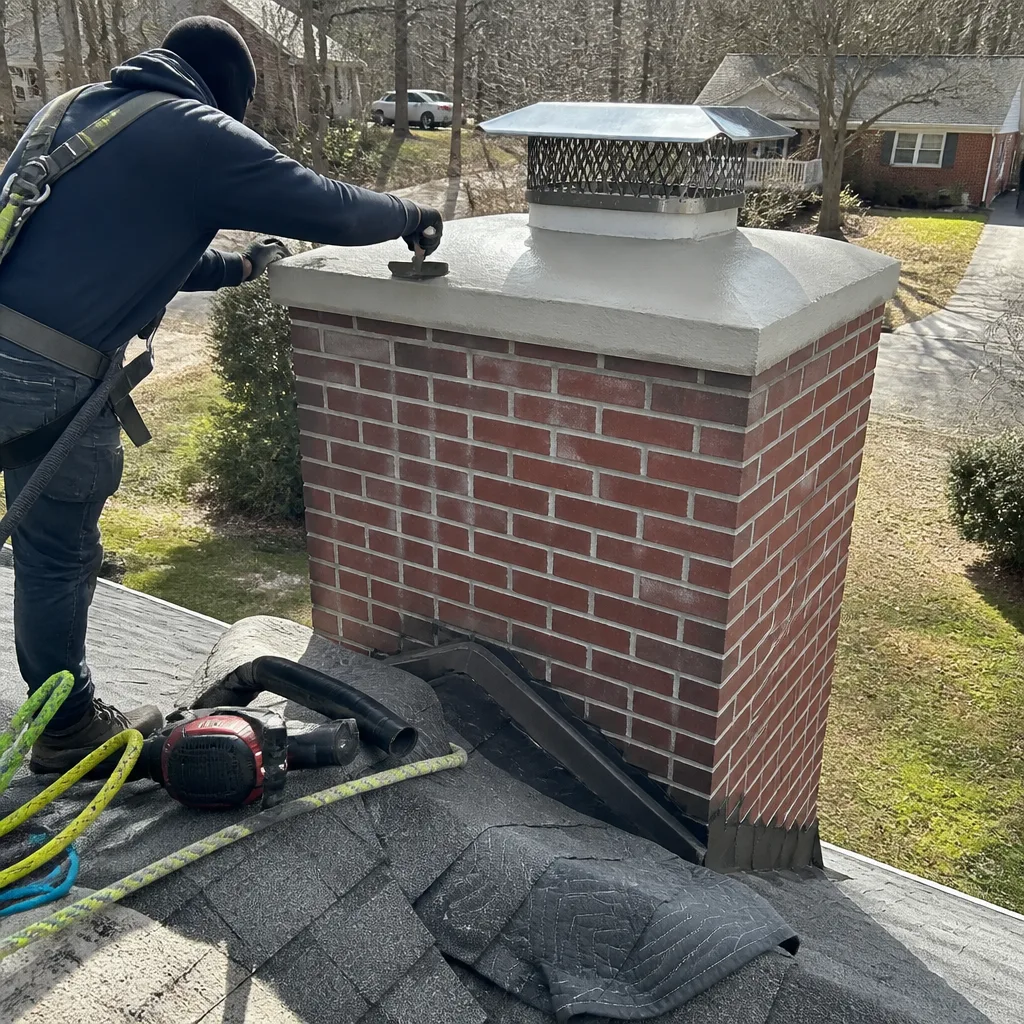 After
After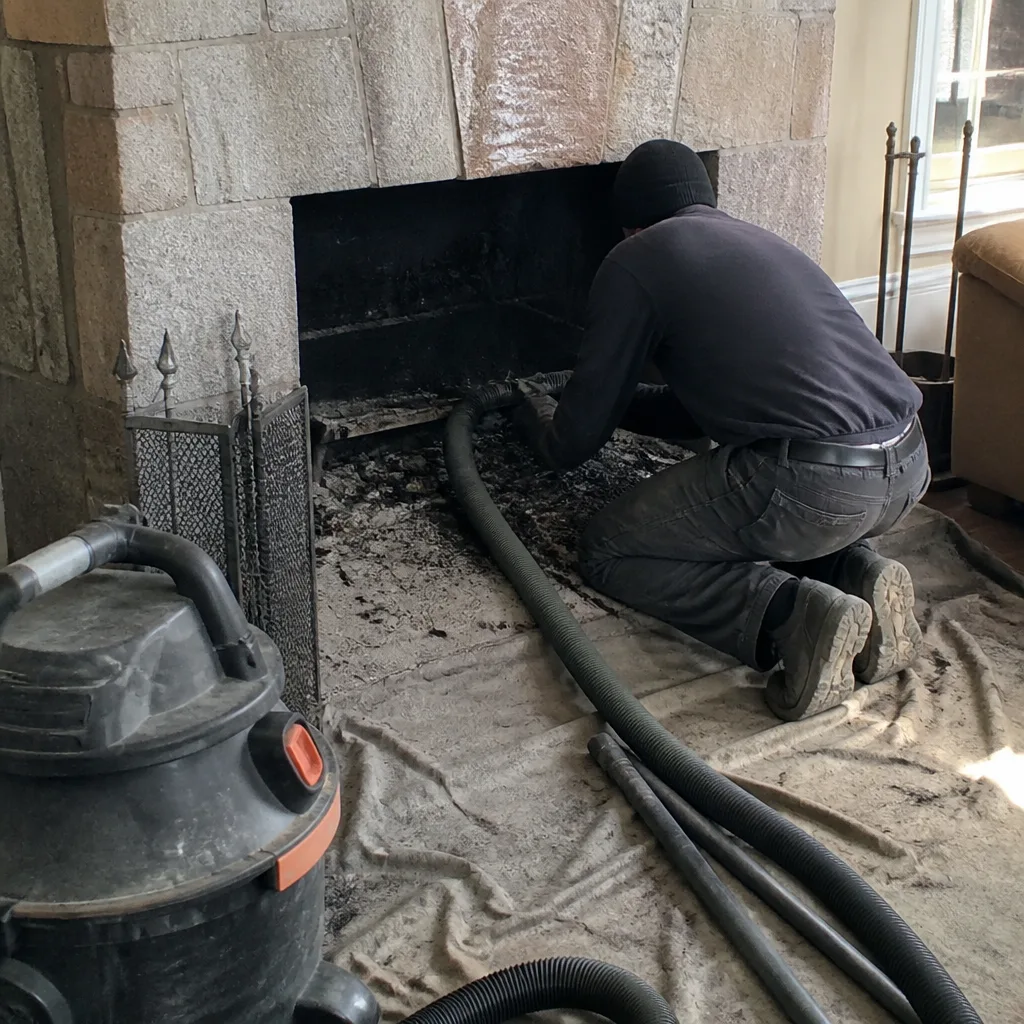 Before
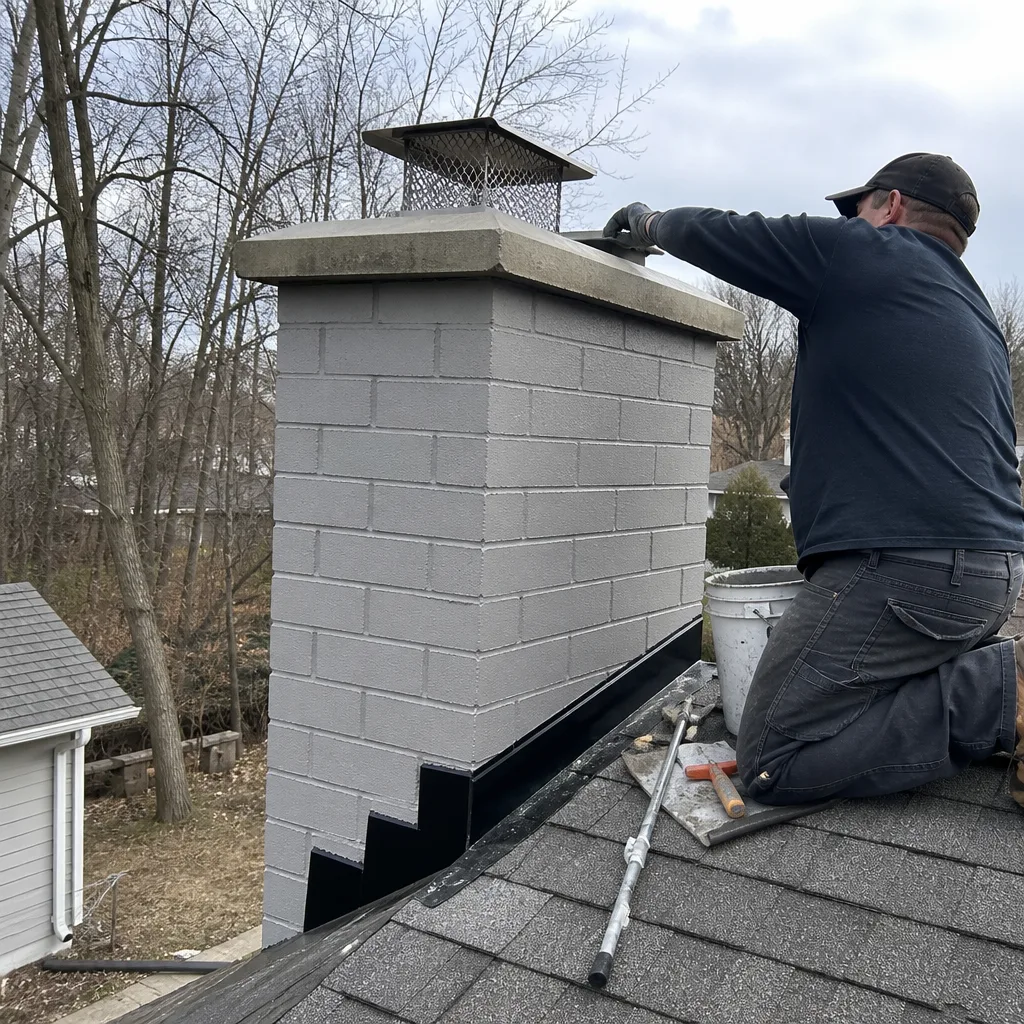 After
After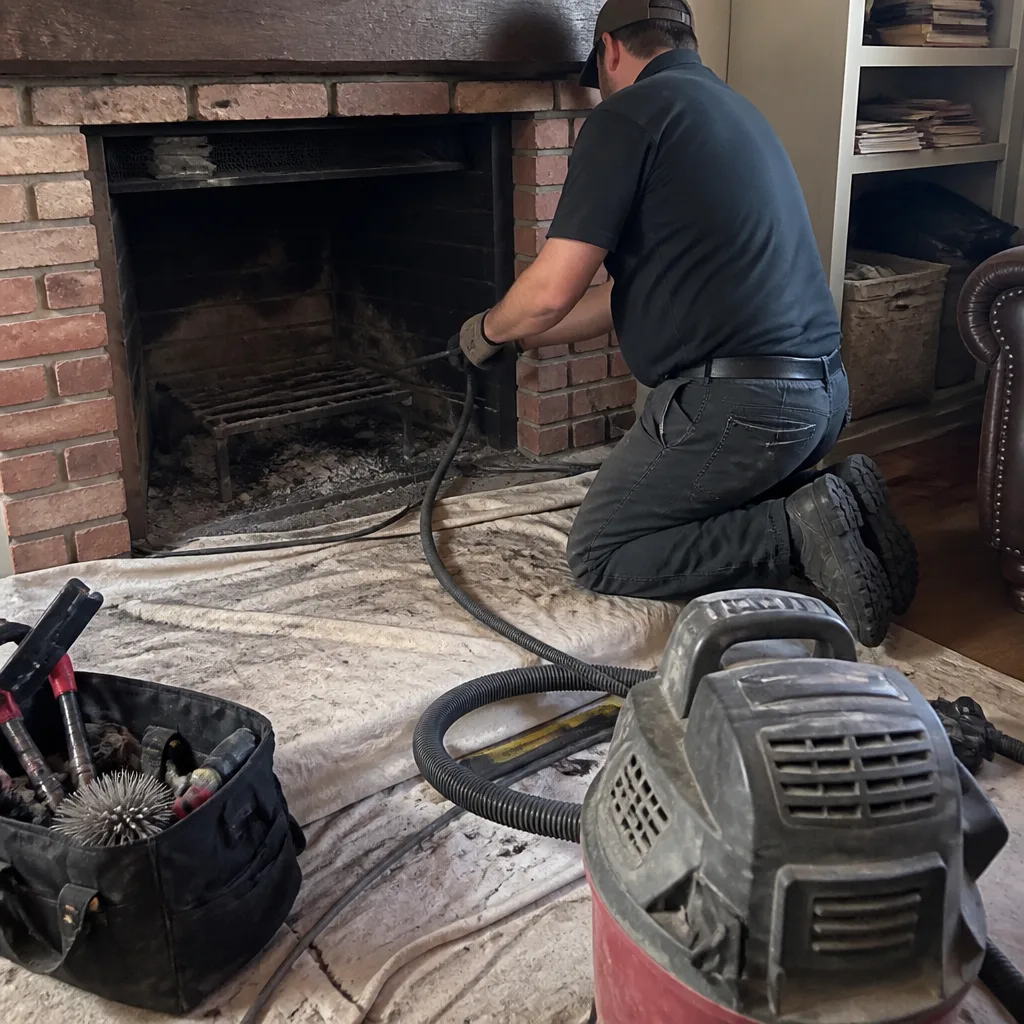 Before
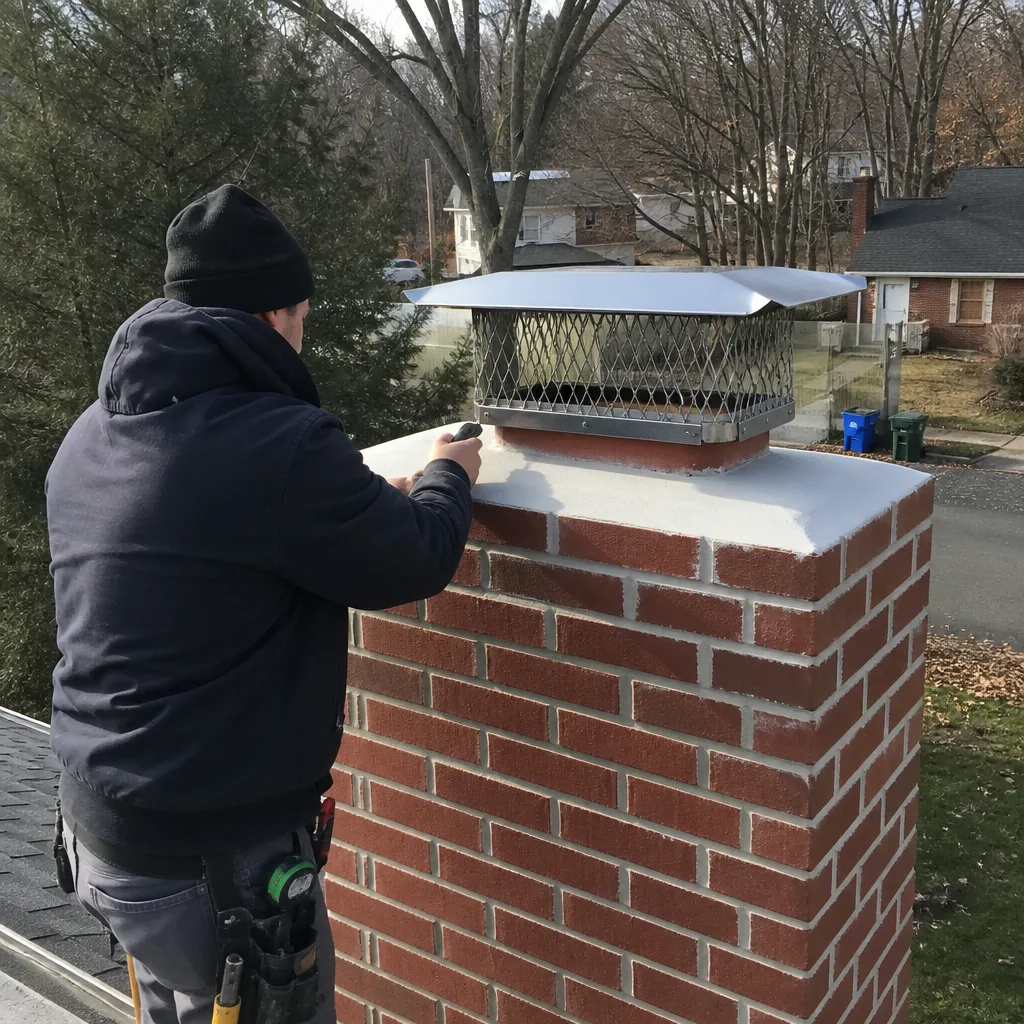 After
AfterDIY vs Professional Chimney Cleaning: The Roanoke Homeowner’s Decision Guide
A chimney cleaning kit from a big-box store will remove the loose black soot you can see. It will not touch the glazed brown Stage 2 creosote coating the upper flue tiles where 90% of chimney fires ignite. In Roanoke, where homeowners burn hardwoods like oak and hickory from late October through March, that distinction matters more than most people realize. This guide walks through what DIY cleaning actually accomplishes, what it cannot, and how to decide which path fits your chimney’s real condition, with links to more guides & resources for Roanoke homeowners.
Quick Answer
DIY chimney cleaning handles loose surface soot and light Stage 1 creosote on accessible flue sections, but cannot remove glazed Stage 2 or tar-like Stage 3 creosote, inspect for hidden structural damage, or produce documentation for insurance. Most Roanoke homeowners with wood-burning fireplaces used regularly during heating season need professional service annually, with camera inspection, to identify the creosote stages and defects that actually cause fires; see our Seasonal Chimney Cleaning Care for Roanoke: Year-Round Homeowner’s Guide for timing and scheduling advice.
Table of Contents
- What DIY Chimney Cleaning Actually Removes
- The Three Stages of Creosote: A Homeowner’s Field Guide
- The Equipment Gap: What Professionals Bring That You Cannot Replicate
- Honest Cost Comparison: DIY Kit vs. Professional Service in Roanoke
- The Insurance and Liability Dimension
- How Roanoke’s Climate and Burning Patterns Affect Your Chimney
- A Clear Decision Framework: When DIY Makes Sense and When It Does Not
- Common Mistakes to Avoid
- When to Call a Professional
- Frequently Asked Questions
What DIY Chimney Cleaning Actually Removes
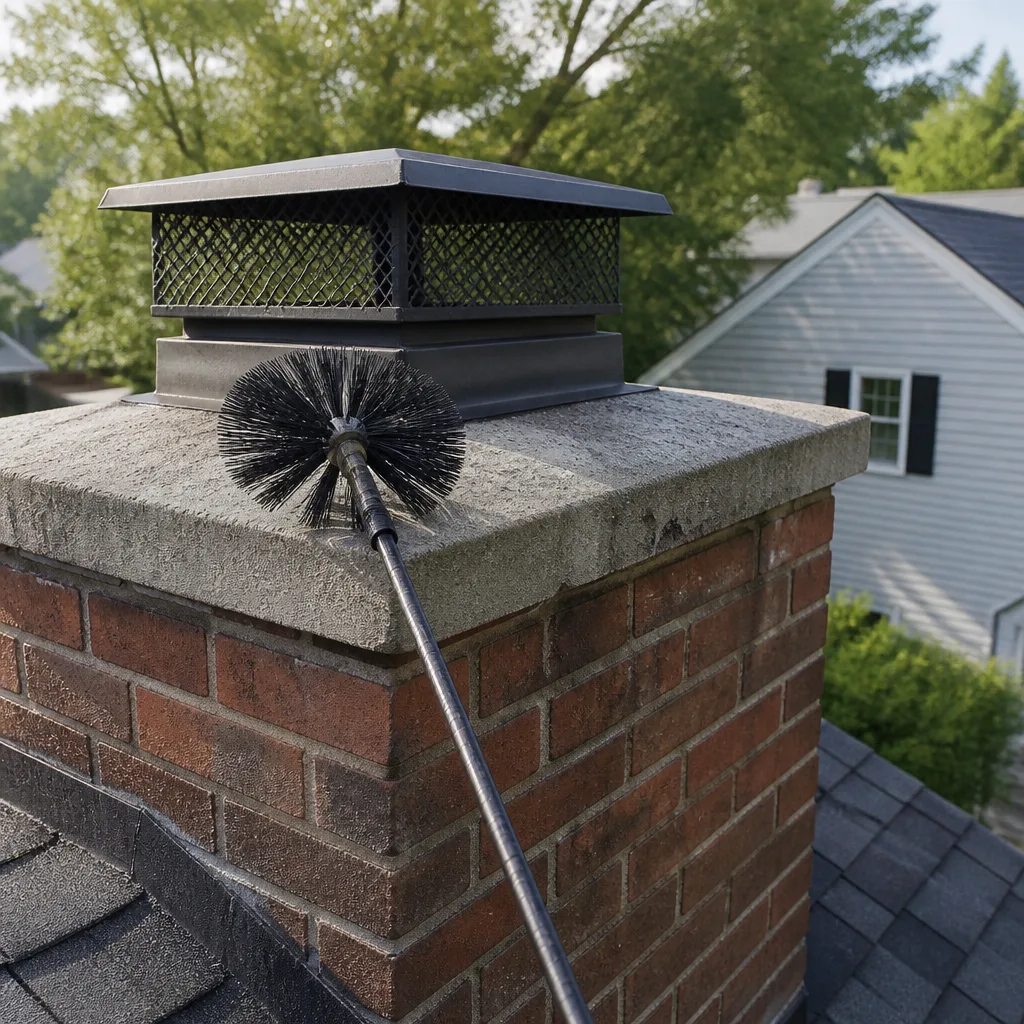
DIY chimney cleaning kits, the kind sold at hardware stores in Roanoke and online, consist of fiberglass or polypropylene rods with a brush head, typically 4 to 8 inches in diameter, designed to match standard flue tile dimensions. Used correctly from the top down or bottom up, these brushes dislodge loose, powdery soot and flaky Stage 1 creosote that has not yet bonded to the flue surface.
That is the complete list of what DIY cleaning removes. It is not nothing. If you burned a half-dozen fires last winter with well-seasoned hardwood, maintained hot flue temperatures, and your chimney has no drafting problems, a DIY brush-out may leave you with reasonably clean flue walls. The brush will not, however, address any of the following:
- Stage 2 creosote, which has melted and resolidified into a hard, glossy, caramel-colored coating
- Stage 3 creosote, which has become a thick, tar-like substance requiring chemical treatment or mechanical removal
- Cracked or spalled flue tiles, which create gaps where heat and combustion gases can reach combustible framing
- Obstructions from bird nests, particularly common in Roanoke’s older neighborhoods like Grandin and Wasena where mature trees attract chimney swifts
- Deteriorated mortar joints between flue tiles, which allow creosote to accumulate in hidden voids
- Improper flue sizing or construction defects that cause chronic overcooling and accelerated creosote formation
The fundamental limitation is not skill or effort. It is access and verification. A homeowner with a brush rod cannot see the full length of the flue. You cannot inspect the smoke shelf, the firebox walls, or the crown from below. You cannot verify that what you removed was all that needed removing. In our experience across Roanoke, the chimneys that worry us most are not the ones that never get cleaned. They are the ones that get cleaned regularly by well-meaning homeowners who assume the job is done because the brush came back black.
The Three Stages of Creosote: A Homeowner’s Field Guide
Understanding creosote stages is the single most useful knowledge a homeowner can have, because it determines whether DIY cleaning is appropriate or pointless. Creosote is not one substance. It is a progression of combustion byproducts that change character based on burn temperature, wood moisture, and flue design.
Stage 1: Soot and Light Flakes
Stage 1 creosote looks like black or dark brown soot, sometimes with flaky, easily crumbled deposits. It forms when wood burns hot and complete combustion occurs. It brushes away readily. A DIY kit can handle Stage 1. If you burn only seasoned hardwood, maintain strong draft, and your chimney is properly sized, you may see mostly Stage 1.
Stage 2: Glazed and Hardened
Stage 2 creosote is the dangerous transition. It appears as shiny, hardened, brown or black deposits that look like melted candy or varnish. It forms when flue gases cool below 250°F before exiting, causing volatile compounds to condense and polymerize on the flue walls. This happens with smoldering fires, wet wood, or oversized flues that cool too quickly. In Roanoke, we see Stage 2 frequently in older homes in neighborhoods like Ginter Park and South Roanoke, where original masonry fireplaces were built for coal and later adapted for wood burning with flues that run too large for modern inserts.
Stage 2 cannot be brushed out. It requires rotary cleaning with chains or whips at high speed, sometimes preceded by chemical conditioners that soften the deposit over 24 to 72 hours. Attempting to brush Stage 2 is futile and potentially damaging to flue tiles.
Stage 3: Tar-Like and Restrictive
Stage 3 creosote is essentially a flammable lining that has become a fuel source itself. It is thick, rubbery, and severely restricts flue diameter. It requires aggressive mechanical removal, often with specialized equipment, and in extreme cases may necessitate flue relining. Stage 3 is a fire hazard in active use and should never be approached as a DIY project.
The critical point: you cannot determine your creosote stage from the firebox looking up. A flashlight and mirror show you the first few feet at most. The upper flue, where temperatures drop and condensation accelerates, is where the dangerous stages develop. Only a camera inspection reveals what is actually present.
The Equipment Gap: What Professionals Bring That You Cannot Replicate
Professional chimney service involves more than a longer brush. The equipment differences are functional, not merely convenient. Here is what a certified sweep brings to a Roanoke home that no DIY kit provides:
- Rotary cleaning systems. These use flexible cables driven by variable-speed drills, with interchangeable heads: chains for glazed creosote, poly whips for tile flues, and steel cables for severe buildup. The rotation speed and head selection match the deposit type and flue material. A homeowner’s static brush cannot generate the mechanical action needed for Stage 2 or 3 removal.
- HEPA-negative pressure containment. Professional equipment connects a vacuum system directly to the cleaning apparatus, capturing dislodged debris at the source. Without this, soot and creosote particles fill the firebox, spill into the living space, and infiltrate HVAC systems. In older Roanoke homes with original ductwork, this contamination is particularly difficult to remediate.
- Fiber-optic camera inspection. A self-leveling camera on a flexible rod provides a recorded, high-resolution view of the entire flue interior, smoke chamber, and firebox. The technician can stop, zoom, and document specific defects. The homeowner sees the footage in real time and receives still images with the final report. This is not a luxury feature. It is the only method that verifies the flue is actually clean and structurally sound after service.
- Combustion gas analyzers. These measure draft pressure, temperature, and gas composition to identify drafting problems that cause creosote formation. A chimney that passes visual inspection may still fail combustion analysis, revealing a hidden problem that cleaning alone will not solve.
- Professional-grade repair materials. When defects are found, repairs require materials that meet UL listings and local code. We use Gelco stainless steel caps, Olympia Chimney liner systems, and Copperfield refractory products for firebox and smoke chamber restoration. These are not available at retail and are not interchangeable with hardware-store alternatives.
The combination matters. Rotary cleaning without camera verification leaves you guessing. Camera inspection without rotary capability means identifying problems you cannot solve. Negative pressure without proper filtration spreads hazardous particulate through your home. Each component addresses a specific failure mode that DIY methods cannot replicate.
Honest Cost Comparison: DIY Kit vs. Professional Service in Roanoke
Cost comparisons often mislead by comparing only the kit price against the service price; our Chimney Cleaning Cost Breakdown: The Roanoke Homeowner’s Reference for 2026 explains what actually drives pricing. Here is the honest accounting for a typical Roanoke homeowner.
DIY Cleaning: True Costs
| Item | Cost Range |
|---|---|
| Basic brush and rod kit (6-12 ft) | $30 – $80 |
| Extension rods for two-story chimney | $25 – $50 |
| Drop cloths, protective gear, cleaning tools | $20 – $40 |
| HEPA shop vacuum rental or purchase | $50 – $150 |
| Proper disposal of creosote-contaminated debris | $15 – $30 |
| Your time (3-5 hours including setup, cleanup, research) | Variable |
| Subtotal | $140 – $350 |
This assumes nothing goes wrong. It also assumes you already own a sturdy ladder rated for roof access, proper fall protection, and the physical conditioning to work at height with both hands free. Many Roanoke homes in neighborhoods like Raleigh Court and Old Southwest have steep pitches and limited roof access that make top-down cleaning genuinely hazardous.
Professional Service: What It Includes
A Chimney Cleaning & Sweep in Roanoke from Hearthstone Chimney Co. includes:
- Level 1 or Level 2 inspection per NFPA 211 standards
- Fiber-optic camera documentation of flue condition
- Rotary or mechanical cleaning matched to deposit type
- HEPA-negative pressure debris containment
- Written condition report with photos and plain-English verdict
- 90-Day Done Right Promise in writing
Our $89 Seasonal Tune-Up covers standard cleaning and inspection for systems without significant buildup or damage. Systems requiring Stage 2 or 3 removal, or those with accessible damage, are quoted upfront with no-hassle pricing before work begins. The number on the estimate is the number on the invoice.
The honest comparison: DIY costs $140-$350 and leaves you with clean-looking flue walls, no documentation, and no knowledge of what you missed. Professional service starts at $89 and provides verified cleanliness, documented condition, and a warranty. For most Roanoke homeowners, the professional path costs less and delivers more.
The Insurance and Liability Dimension
This is the point most guides omit, and it matters enormously to homeowners who have paid premiums for decades and expect coverage to function when needed.
After a chimney fire, your insurer will investigate. They will request maintenance records. If you cleaned the chimney yourself, you will produce receipts for a brush kit and perhaps photos of soot-covered drop cloths. What you cannot produce is a professional inspection certificate, a dated report from a certified technician, or documentation that the flue was verified clean and sound.
Insurers are not required to deny claims based on DIY maintenance alone. But they are permitted to investigate whether negligence contributed to the loss. In practice, this means:
- A professional inspection record creates a presumption of due care
- A DIY cleaning record creates questions about competence and completeness
- The absence of any inspection record, professional or DIY, is the weakest position of all
In Virginia, contributory negligence rules can complicate recovery. An insurer may argue that a homeowner who never had the chimney professionally inspected failed to exercise reasonable care, particularly if the home is older than 30 years and the chimney is original construction. We have seen this argument advanced in Roanoke-area claims, though we cannot predict how any specific claim would resolve.
The practical protection is documentation from a certified sweep, retained with your homeowner’s records. Our reports include dated photos, technician certification, and a narrative condition assessment. If you ever need to demonstrate due diligence, this record speaks clearly.
How Roanoke’s Climate and Burning Patterns Affect Your Chimney
Roanoke sits in the Roanoke Valley between the Blue Ridge and Allegheny Mountains, at roughly 1,200 feet elevation with a humid subtropical climate that nonetheless produces genuine winter. This geography creates specific conditions that affect chimney performance and maintenance needs.
Temperature inversions and valley pooling. Cold air settles in the valley on still winter nights, creating temperature inversions that reduce draft pressure in chimneys. Weak draft leads to smoldering combustion, incomplete burn, and accelerated creosote formation. Homes in lower elevations of the city, particularly near the Roanoke River, experience this more acutely than hillside properties in neighborhoods like Mill Mountain or Grandin.
Hardwood availability and moisture content. Roanoke has excellent access to seasoned hardwood through local suppliers and rural property owners. But “seasoned” is a variable term. Wood split in spring and burned in fall may read 25-30% moisture on a meter, which is too wet for clean combustion. We see significant Stage 2 buildup in chimneys where homeowners burned wood they were assured was seasoned, without verifying with a moisture meter.
Freeze-thaw masonry stress. Roanoke averages 15-20 freeze-thaw cycles annually that affect exterior chimney structures. Water penetrates crown cracks, freezes, expands, and widens the damage. A homeowner focused on flue cleaning may miss crown deterioration that will eventually allow water to compromise the flue itself. This is why our inspections always include exterior evaluation, not just interior flue condition.
Chimney swift season. From March through August, chimney swifts nest in uncapped flues across Roanoke. Their nests are federally protected once eggs are present. A homeowner who discovers a nest during a DIY cleaning attempt cannot legally remove it without a permit. Professional sweeps know the season, recognize active nests, and can advise on legal timing and proper capping with Famco or Gelco products to prevent future occupation.
A Clear Decision Framework: When DIY Makes Sense and When It Does Not
We do not dismiss DIY cleaning entirely. There are specific, limited conditions where it is reasonable. Here is the framework we use when Roanoke homeowners ask us directly.
DIY May Be Appropriate If:
- You burn fewer than 20 fires per season, all with verified-seasoned hardwood below 20% moisture
- Your chimney was professionally inspected within the past 12 months and received a clean report with no Stage 2 or 3 creosote noted
- You have a straight, single-flue masonry chimney with no offsets, no insert, and no liner complications
- You can safely access the roof or have a bottom-cleaning setup that reaches the full flue length
- You understand that DIY cleaning is interim maintenance, not a substitute for periodic professional inspection
Professional Service Is Not Optional If:
- You burn more than 40 fires per season, burn softwood or unknown wood sources, or frequently damp down fires for overnight burn
- Your chimney has not been professionally inspected in over 24 months
- You have a fireplace insert, pellet stove, or gas log set with a chimney liner - these systems require specific cleaning protocols and inspection access points
- You observe any of the following: visible creosote flakes falling into the firebox, smoke entering the room during use, a strong tar odor when the fireplace is not in use, or discoloration on exterior masonry
- Your home insurance requires professional inspection documentation
- You are preparing to sell the home - Virginia disclosure requirements and buyer inspections will examine chimney condition
The line is not arbitrary. It is the point where the consequences of incomplete cleaning exceed the cost of professional service. A chimney fire in a Roanoke home averages $15,000-$45,000 in damage, per National Fire Protection Association data. Carbon monoxide intrusion from a compromised flue can cause injury or death before any flame is visible. These are not risks that respond to optimistic self-assessment.
Common Mistakes to Avoid
- Assuming black brush bristles mean the job is done. The brush turns black from surface soot in the first few feet. The upper flue, where creosote concentrates, may be untouched. Always verify with a camera inspection, even after DIY cleaning.
- Using a brush that does not match flue dimensions. An undersized brush skips the corners where creosote accumulates. An oversized brush can jam in the flue or damage tile joints. Measure your flue before purchasing any kit.
- Cleaning from the bottom without proper containment. Soot and creosote dislodged from above fall into the firebox and hearth area. Without negative-pressure containment and proper PPE, you will contaminate your living space with respirable particulate that includes known carcinogens.
- Ignoring the smoke shelf and firebox. The smoke shelf, the flat area behind the damper, collects fallen debris and is a common fire origin point. A brush rod does not clean it. Professional service includes smoke chamber scraping and vacuuming.
- Disposing of creosote debris in household trash. Creosote is classified as hazardous waste in many jurisdictions. Roanoke’s waste management guidelines prohibit disposal in standard residential collection. Improper disposal creates fire risk and potential liability.
- Cleaning a gas fireplace flue the same way as wood-burning. Gas flues develop different deposits, including sulfuric acid residue that damages masonry. The cleaning approach differs, and improper technique can damage the flue or appliance.
- Waiting for visible problems before acting. By the time you see creosote falling, smell tar, or notice draft problems, the condition has advanced beyond DIY remediation. Regular inspection catches problems before they become emergencies.
When to Call a Professional
Call a certified sweep immediately if you observe any of the following: smoke backing up into the room, a strong odor of tar or asphalt from the fireplace, visible cracks in interior or exterior masonry, white staining (efflorescence) on the chimney exterior, or any evidence of previous chimney fire such as warped metal or discored mortar. These conditions indicate problems that cleaning alone will not resolve.
For routine maintenance, schedule professional service before the burning season begins, ideally in late summer or early fall. This timing allows any needed repairs to be completed before cold weather, when demand peaks and scheduling narrows.
Hearthstone Chimney Co. offers free estimates in Roanoke. Call (540) 787-3302 to speak with a live person, any hour, any day. We’ll schedule a convenient time, provide upfront pricing, and leave you with photos you can see and a plain-English verdict you can understand. Most jobs are completed in a single visit. Our work is backed by the 90-Day Done Right Promise: in writing, no arguing. If it’s not right, we make it right.
Frequently Asked Questions
Standard cleaning and inspection starts at $89 for our Seasonal Tune-Up. Systems with Stage 2 or 3 creosote, insert complications, or accessible damage receive upfront quotes before work begins. Call (540) 787-3302 for an exact quote - estimates are free.
Light use with seasoned hardwood and a recent professional inspection may allow interim DIY maintenance, but it does not replace periodic professional evaluation. We recommend professional inspection every 12 months for any wood-burning system, regardless of use frequency, because structural defects and animal intrusion can occur independent of burn hours.
The National Fire Protection Association recommends annual inspection for all chimneys, fireplaces, and vents. Cleaning frequency depends on use and deposit formation. Most Roanoke homeowners who burn regularly during heating season need annual sweeping. Those with pellet stoves, which produce more ash and fine particulate, may need more frequent service.
Skipped maintenance allows creosote to progress through stages, increasing fire risk and potentially obstructing the flue. Stage 3 creosote can become thick enough to restrict draft, causing smoke backup and carbon monoxide hazard. Structural defects worsen unchecked. Insurance documentation lapses. The cost of deferred maintenance typically exceeds the cost of regular service, often dramatically. Call (540) 787-3302 to schedule before problems develop.
Liners are needed when the existing flue is damaged, improperly sized, or unlined. Cracked flue tiles, missing mortar joints, or a flue too large for the appliance create hazards that cleaning cannot address. We do not recommend liner replacement without camera-documented evidence you can see yourself. Our Level 2 inspection shows you exactly what we see, and we will plainly tell you when work can safely wait.
The cleaning itself is not inherently dangerous for simple systems in good condition, but it involves significant limitations and specific hazards. Roof access carries fall risk. Creosote dust is carcinogenic and requires respiratory protection. Improper technique can damage flue tiles. The greater danger is false confidence: believing the chimney is clean and safe when significant deposits or defects remain hidden. For most Roanoke homeowners, the risks of incomplete DIY cleaning exceed the modest cost of professional verification.
A Level 1 inspection, appropriate for maintained systems without changes, examines readily accessible portions of the chimney exterior, interior, and connections. A Level 2 inspection, required for property transfers, after chimney fires, or when changes have been made, includes camera examination of the full flue length, attic and crawl space evaluation where accessible, and combustion testing. Our inspections conclude with dated photos, a written report, and a plain-English explanation of findings and recommendations.
The Bottom Line
DIY chimney cleaning has a narrow, legitimate role: interim maintenance for lightly used, recently inspected, straightforward systems. For the typical Roanoke homeowner burning hardwood through a valley winter, it is insufficient. The creosote that matters is not the soot you can see and brush away. It is the glazed deposits and structural defects hidden in the upper flue, detectable only with professional equipment and verified only with camera documentation.
The honest calculation weighs a $140-$350 DIY investment with no verification against professional service starting at $89 with full documentation, warranty protection, and insurance-grade recordkeeping. Done right, with photos you can see and a verdict you can understand, is not a slogan. It is the standard we have maintained for over 42 years. A square deal: no surprises on the bill. We’ll be there when we say. In writing, no arguing.
Written by Russell Haines, Owner at Hearthstone Chimney Co., serving Roanoke since 2014.